Digital Credential Scanning Device Launched by L-Tron
The public safety hardware manufacturer debuts its newest traffic stop scanning tool designed to read digital credentials without reducing officer situational awareness.
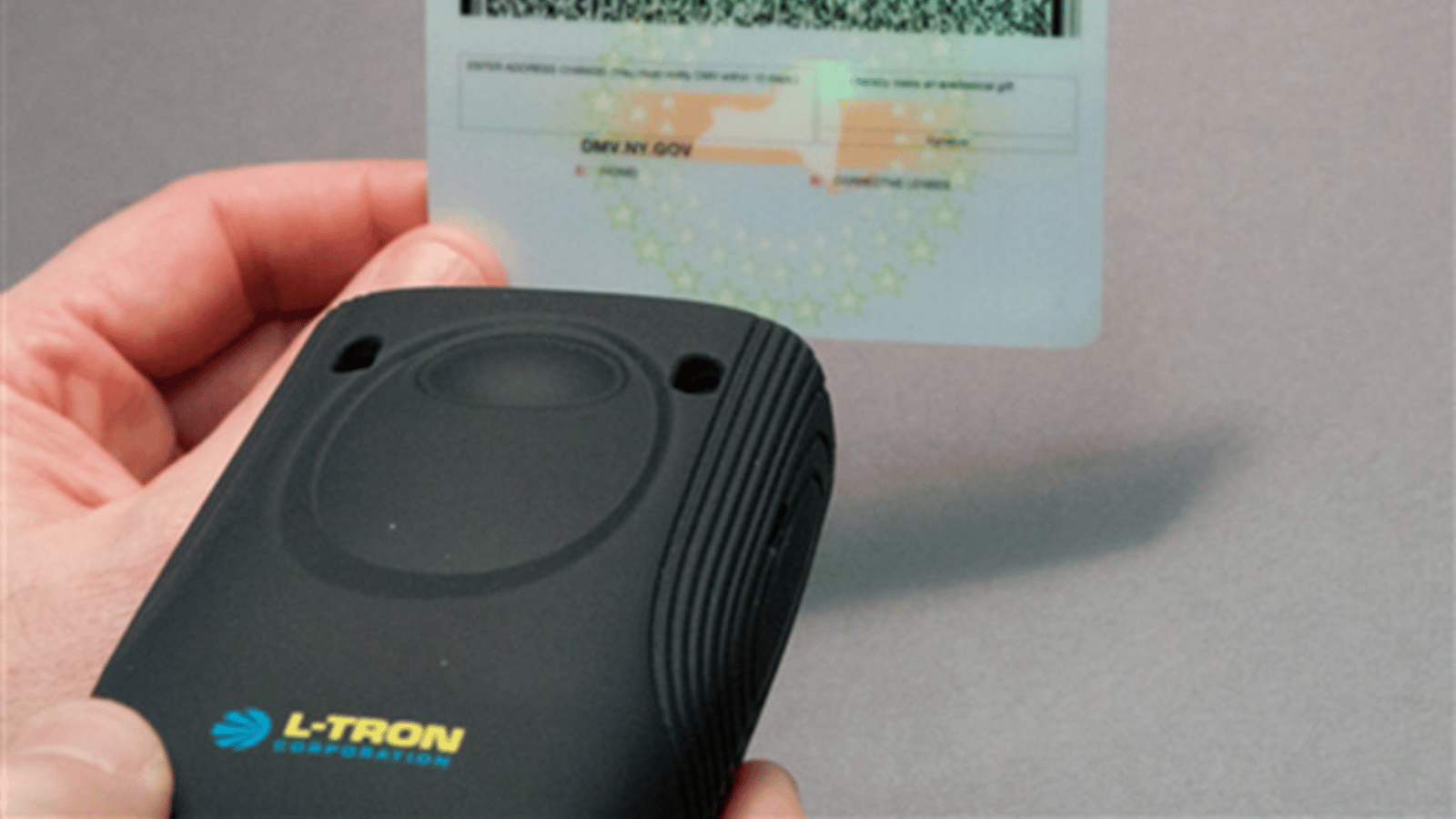
L-Tron debuted its latest public safety scanning hardware at the International Association of Chiefs of Police Technology Conference in Fort Worth, Texas. The company utilized the annual gathering of law enforcement administrators to demonstrate its new digital credential scanning device to regional police departments. The product launch directly addresses the logistical challenges facing municipal patrol officers as state governments steadily transition from physical plastic credentials to digital identity formats stored on consumer smartphones.
The technical expansion introduces specialized scanning hardware designed to integrate directly into the existing mobile computer setups found inside modern patrol vehicles. Police technology buyers are currently facing integration hurdles because standard optical scanners cannot reliably read encrypted digital credentials from reflective smartphone screens under varying roadside lighting conditions. The newly designed system establishes a unified scanning interface that allows an officer to process both traditional plastic identity cards and digital credentials using the same hardware unit.
Engineering teams focused heavily on operational safety considerations during the product development cycle to ensure officers can maintain visual oversight of a vehicle occupants during an active traffic enforcement stop. Initial field testing protocols indicate that the hardware operates effectively across extreme weather environments, allowing departments to deploy the tool without risking equipment failure during heavy rain or freezing temperatures. The company expects the hardware rollout to accelerate roadside data collection speeds while minimizing the manual typing errors that frequently complicate corporate and municipal court record keeping.
Technical Specifications of the New Scanning Hardware
The deployment of digital identification programs across multiple states has forced law enforcement agencies to upgrade their roadside validation tools. Standard vehicle ticket systems rely on older barcode formats that lack the wireless connectivity required to authenticate digital security certificates.The new hardware design incorporates three distinct data capture technologies within a single handheld housing unit. The device utilizes near field communication to establish short range wireless links with a motorist smartphone, allowing secure data transfers without requiring the physical exchange of the consumer device. For jurisdictions that rely on visual data links, the scanner includes an optical processing array capable of reading high density quick response codes and specialized PDF417 two dimensional barcodes from digital screens.
This multi format processing capability ensures that a police department can maintain operational continuity even when interacting with out of state motorists who utilize different digital identity standards. The scanning unit automatically detects the incoming data format, decrypts the identification credentials, and populates the relevant fields in the vehicle onboard electronic ticketing software. This automation prevents officers from having to handle a citizen personal smartphone, eliminating potential liability issues regarding accidental property damage or digital privacy violations.
Upgrading Public Safety Infrastructure for Digital Identity Formats
The transition toward mobile identification formats represents a major infrastructure shift for state and federal transport authorities. As more citizens adopt digital wallets, government technology buyers must update their field hardware to maintain basic regulatory enforcement capabilities.
The manufacturer is positioning the new scanner alongside its established line of vehicle document readers and its patented spherical crime scene imaging platforms to provide a complete data collection suite. By offering a standardized hardware package, the firm helps municipal IT departments lower long term maintenance costs and simplify software training protocols for field personnel. The centralized hardware architecture allows technical administrators to push over the air firmware updates to the scanners whenever state agencies update their underlying digital encryption keys.
This capability is particularly vital for regional agencies that must comply with strict federal data protection mandates while sharing identity verification logs across state data networks. Centralizing the data capture process through a verified hardware channel reduces the risk of wireless interception or data corruption during roadside data entry.
Market Adoption and Regional State Digital Wallet Trends
The market for public safety technology is experiencing rapid realignment as state motor vehicle departments update their credentialing frameworks. Several major state registries have launched digital identity applications, forcing local police departments to rapidly adapt their procurement strategies to remain compliant with changing legislative rules.The emergence of open mobile identity standards allows independent hardware vendors to develop tools that work across different state boundaries. Small technology providers can secure long term municipal supply contracts by engineering devices that bridge the gap between legacy paper systems and modern cloud based security registries. This interoperability remains a primary factor for procurement officers who must justify technology investments over multi year municipal budget cycles.
Enhancing Patrol Security and Administrative Workflow Efficiency
The long term commercial viability of the new scanning platform depends on its ability to demonstrably improve officer safety statistics during high risk traffic interactions. Spending excessive time looking down at a computer screen or manually entering driver information increases an officer vulnerability to oncoming traffic and external threats.
Automating the data extraction process allows field personnel to complete routine documentation tasks in a fraction of the traditional time, keeping their attention focused on their immediate physical surroundings. The fast data transfer speeds also reduce the total duration of roadside stops, lowering traffic congestion and minimizing the risk of secondary vehicular collisions on busy highway shoulders.
On the administrative side, the direct integration with municipal record management databases eliminates the double entry workflows that typically bog down clerical staff. When a scanner uploads verified identity data directly to the court network, it reduces the operational backlogs that frequently delay the processing of commercial transport violations and civil citations.
Future Projections for Digital Credential Verification
The expansion of mobile identification systems represents a permanent shift in the public safety procurement sector. By developing multi technology reading devices, hardware manufacturers are providing the structural flexibility required to support long term digital transition plans.
The financial advantages extend to local municipalities that must balance tight operational budgets with the urgent need to modernize aging information technology infrastructure. Having a single tool that handles both physical cards and wireless data packets prevents departments from needing to purchase separate secondary scanning units.
This product launch serves as a critical evolutionary step for modern traffic enforcement logistics. As digital wallets become the primary standard for personal identification worldwide, providing verified, secure, and resilient field hardware will remain an absolute necessity for technology providers serving the law enforcement sector.