Toyota Advanced Manufacturing Architecture Expands in Texas
Toyota Motor North America announces a $3.6 billion expansion of its San Antonio plant to enable Tacoma truck assembly alongside Tundra and Sequoia lines.
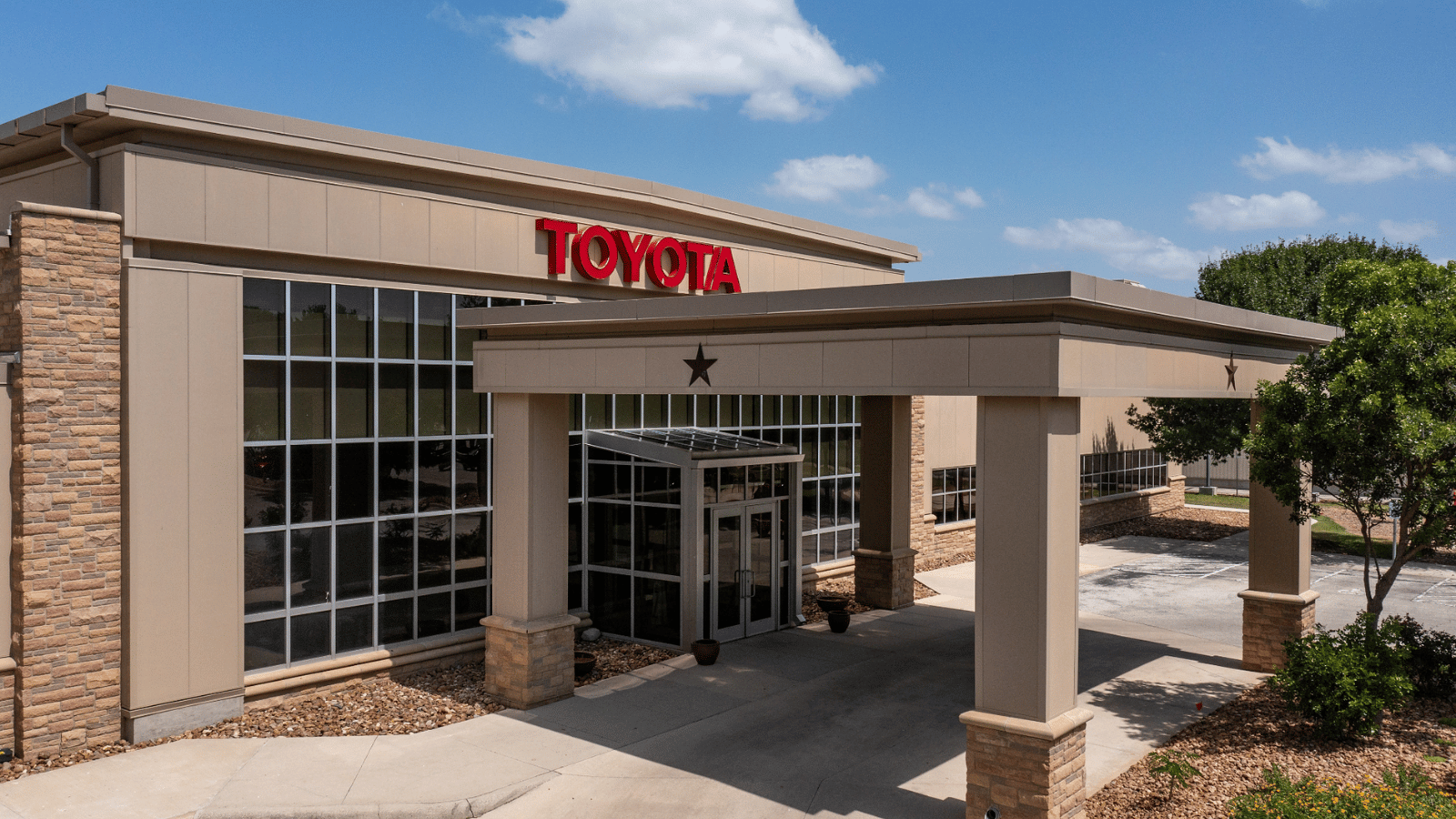
The Toyota Advanced Manufacturing Architecture entered a massive infrastructure scaling cycle on Monday as Toyota Motor North America (TMNA) announced a $3.6 billion capital investment to expand its active manufacturing footprint in San Antonio, Texas. The comprehensive vehicle engineering program introduces a second dedicated assembly line designed to support the localized production of the midsize Tacoma pickup truck. By shifting manufacturing operations away from its Baja California facility over a four-year transition period, the multinational automotive corporation intends to double its facility square footage by 2,000,000 square feet and scale its localized headcount to approximately 6,000 direct team members by 2030.
The corporate strategy behind the domestic manufacturing consolidation targets the volatile logistics chains, cross-border shipping delays, and capacity limits that frequently constrain multi-region vehicle fulfillment networks. Under pressure to deliver highly customizable, localized model variations to North American consumer networks, automotive brands are increasingly shifting away from fragmented international assembly nodes to favor consolidated megasites. Grouping regional component supply networks directly alongside multi-vehicle flexible production lines allows the auto manufacturer to absorb shifting customer demands dynamically, protecting its overarching commercial vehicle delivery margins.
The underlying industrial configuration relies on a highly flexible manufacturing layout built to process separate light truck and sport utility vehicle (SUV) platforms simultaneously across synchronized assembly tracks. The sprawling 2,000-acre South Texas campus serves as the exclusive assembly hub for the full-size Tundra truck and the Sequoia SUV, utilizing high-speed robotic welding cells, precision automated stampers, and advanced material-handling conveyances. The new $3.6 billion facility layer integrates with a specialized rear axle component plant nearing startup on the same property, enabling a vertically integrated powertrain-to-chassis marriage loop that compresses total vehicle build times.
Consolidating Fleet Infrastructure via the Toyota Texas Mega Platform
The expansion of the San Antonio automotive footprint marks a definitive step within Toyota’s broader North American optimization model, which coordinates 11 major manufacturing installations across the United States, Canada, and Mexico. The technical framework uses advanced predictive maintenance sensors and data-driven assembly logic to govern high-volume industrial assets, preventing mechanical line bottlenecks before tool wear slows down active vehicle output. Last year alone, the unified Texas facility rolled out more than 197,000 completed vehicles, demonstrating the structural reliability of its localized manufacturing workflows.
State development allocators, regional grid operators, and logistics planners monitor these massive campus modernizations to evaluate the local economic multiplier effects across adjacent tier-one supplier ecosystems. The San Antonio complex anchors 23 independent on-site parts suppliers, forming a highly secure, localized material-routing loop that minimizes transit costs and insulates the assembly line from global maritime container shortages. Backed by financial incentives from the Texas Enterprise Fund and the Jobs and Education for Texans Innovation (JETI) program, the transformational expansion delivers multi-generational engineering employment paths to the local labor market.
Vertical Supply Architecture: By constructing an independent, on-site rear axle fabrication center directly adjacent to the primary vehicle lines, Toyota Texas achieves total localized control over heavy mechanical component supply loops, neutralizing the transport risks that typically break disjointed automotive operations.
The real-time data networks running throughout the updated factory floor prioritize strict equipment orchestration and worker safety, linking automated guided vehicles (AGVs) with centralized inventory tracking databases via high-availability local wireless networks. This integrated industrial tracking system allows manufacturing teams to monitor assembly parameters, torque metrics, and part replenishment cycles instantly, maximizing first-pass yield numbers across changing production queues. Providing incoming team members with standardized advanced manufacturing instruction through integrated regional workforce programs guarantees seamless asset deployment as the workforce climbs toward its 6,000-member operational target.
Streamlining Consumer Onboarding through Interactive Plant Ecosystems
The broader commercial positioning of Toyota’s manufacturing prowess is supported by targeted transparency initiatives, utilizing an interactive online tour platform at TourToyota.com to offer consumers deep visibility into its vehicle assembly operations. By blending in-person plant invitations with immersive virtual walkthrough modules, the company builds long-term brand equity and highlights the engineering precision behind its vehicles to an international audience. This open educational posture reinforces the quality positioning of its physical model lineages, transforming standard industrial plants into valuable brand-affinity assets.
Securing Domestic Production Resiliency Across Changing Mobility Markets
The long-term commercial viability of centralized vehicle manufacturing networks will ultimately rely on how successfully engineering teams can adapt physical factory lines to handle evolving multi-energy powertrains without demanding complete building teardowns. As global consumer demand fluctuates across traditional internal combustion engines, advanced hybrid options, and localized battery-electric variations, factory floor layouts must remain highly fluid and modular to protect corporate capital. The systematic $3.6 billion expansion of the Toyota Texas campus highlights a calculated manufacturing blueprint, demonstrating a unified framework where physical volume density and flexible robotics integration combine to deliver resilient vehicle logistics at a global scale.