Autonomous Freight Solutions Scale as Einride Approves SPAC Merger
Einride will expand its autonomous freight solutions globally following a $1.35 billion business combination with Legato Merger Corp III.
Logistics technology provider Einride will transition into a publicly traded corporation following an investor vote approving its business combination with Legato Merger Corp III. The transaction establishes a pre-money equity valuation of one billion three hundred fifty million dollars for the Swedish electric vehicle builder. Shareholders of the special purpose acquisition company finalized the decision during an administrative meeting, clearing the primary regulatory hurdle for the commercial transport firm to list its securities on the Nasdaq stock exchange.
The public listing secures critical growth capital for the Gothenburg based enterprise as it seeks to expand production of its driverless heavy transport vehicles. Alongside the baseline transaction, the company finalized an oversubscribed private investment in public equity funding round that generated one hundred thirteen million dollars in fresh capital. Financial backing for this parallel funding phase came from regional investment group EQT Ventures and an unnamed asset management firm based on the American West Coast.
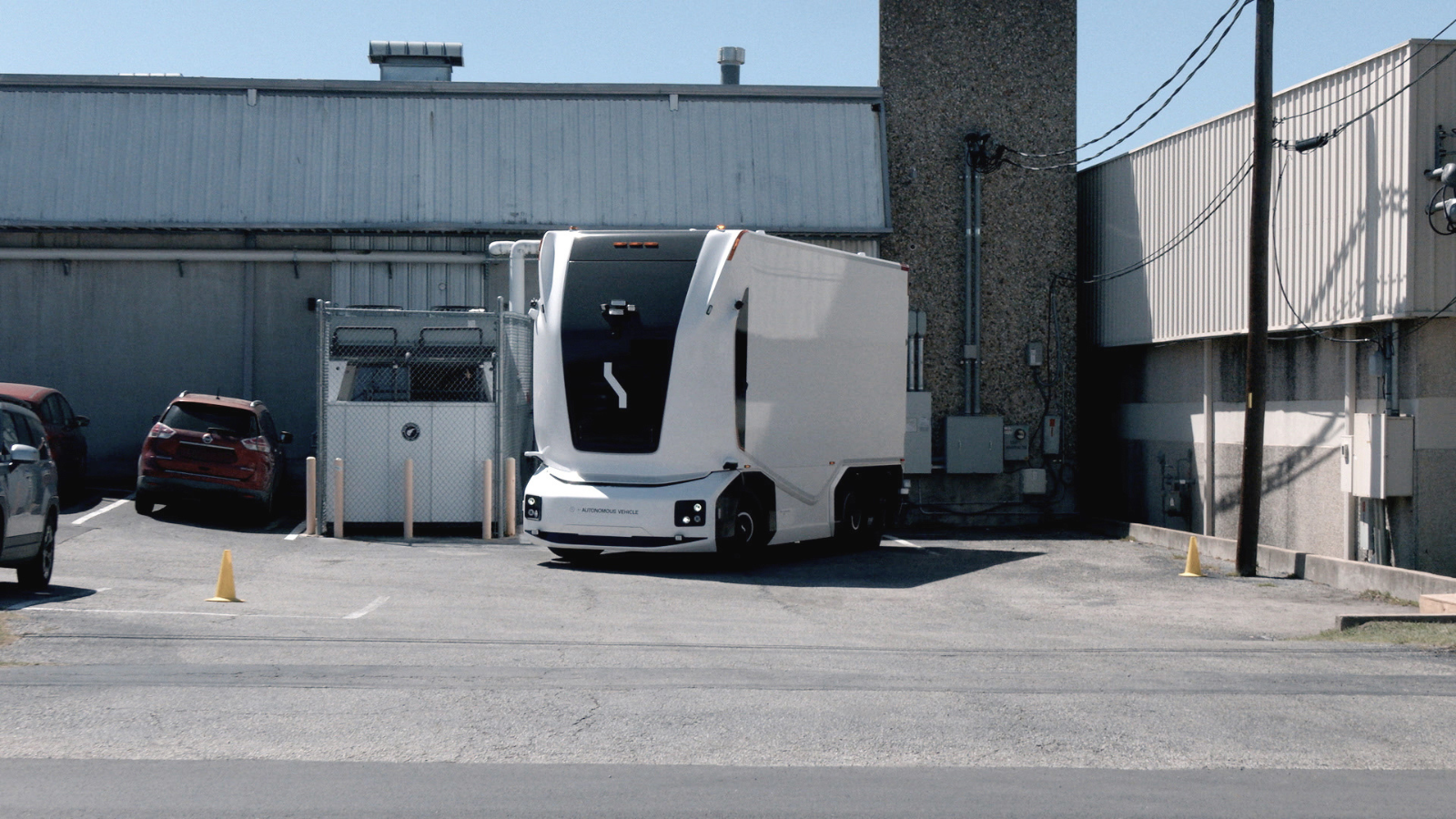
The corporate transition places the freight technology firm in direct competition with traditional commercial vehicle manufacturers that are rushing to build alternative energy logistics platforms. While many competing truck manufacturers rely on conventional cab designs fitted with electric drivetrains, the Swedish firm has centered its production strategy on fully autonomous pods that eliminate the driver compartment entirely. The incoming capital will be used to scale these digital transport networks across existing fulfillment corridors in North America, Western Europe, and the Middle East.
Autonomous Freight Solutions Accelerate Global Expansion Plans
The financial metrics disclosed during the investor meeting indicate a growing commercial footprint among global shipping conglomerates. The freight logistics specialist currently maintains operational contracts with more than thirty enterprise clients across seven countries. These active logistics agreements yield ninety-two million dollars in annualized recurring revenue, while long term business projections developed alongside major industrial shippers point to a potential pipeline valued at eight hundred million dollars over the coming decade.
The underlying operational framework combines specialized vehicle production with proprietary software systems that coordinate charging logistics and predictive delivery routes. By integrating heavy duty electric trucks with cloud based optimization software, the company manages freight distribution networks without relying on traditional diesel fuel infrastructure. This operational approach allows commercial logistics managers to track freight transit times and monitor energy consumption across multi national supply chains through a single administrative surface.
Financial Engineering and Capital Restructuring Metrics
The technical details of the transaction involve a reverse merger structure designed to expedite the company transition into public equities markets. Following the formal execution of the merger paperwork, the combined enterprise will list its ordinary shares on the Nasdaq stock exchange under the ticker symbol ENRD. The secondary warrants issued during the initial public offering of the blank check company will simultaneously trade under the identifier ENRDW.
This public financing strategy provides a permanent capital foundation that helps the vehicle manufacturer insulate itself from the volatility of private venture capital cycles. Producing heavy duty electric transport units requires substantial upfront investments in manufacturing facilities, specialized battery supply lines, and regional high power charging stations. Securing public equity access ensures that the firm can execute multi year infrastructure projects without interrupting the delivery timelines promised to its commercial cargo clients.
Commercial Transportation and Heavy Duty Vehicle Market Context
The merger comes during an intense period of consolidation and regulatory pressure within the global freight industry. Freight carriers face strict municipal emissions standards across major shipping terminals, forcing fleet operators to evaluate zero emission alternatives for short haul and regional distribution. However, high procurement costs for electric trucks and a widespread shortage of industrial charging stations have slowed the widespread adoption of battery powered heavy transport.
By operating its own charging installations and providing integrated planning software, the technology firm bypasses the infrastructure bottlenecks that frequently hinder standard commercial vehicle deployments. The capability to offer automated logistics management as a unified service makes the platform attractive to retail and manufacturing firms looking to reduce supply chain emissions without assuming the operational risks of managing experimental vehicle fleets. This distinct positioning within the industrial transport sector helps the company capture market share from traditional vehicle leasing firms that lack specialized digital management software.
The long term viability of the public listing relies on the company capacity to meet its projected manufacturing milestones across diverse geographic territories. Operating driverless logistics systems on public highways requires continuous regulatory approvals from state and federal transport authorities, presenting an operational hurdle that traditional software providers do not face. The successful integration of public equity funding, specialized vehicle design, and automated management software establishes a scalable precedent for modern logistics operators navigating the transition toward sustainable transport networks.
Source: PR Newswire