Cycurion Expands Cybersecurity Catalog via Acquisitions
Cycurion integrates Halo Privacy, HavenX, and Secuvant into its open platform to improve federal compliance and expand annual recurring revenue.
The public sector contractor aims to boost annual recurring revenue and accelerate its path toward profitability by taking over regional digital defense providers.
Cycurion has executed a series of corporate acquisitions to integrate automated threat monitoring and private communication systems into its digital defense catalog. The Virginia based enterprise security provider finalized agreements to purchase Halo Privacy, HavenX, and Secuvant to establish a broader, technology driven defense platform. By absorbing these specialized firms, the organization aims to expand its commercial footprint among municipal healthcare networks, critical utility operators, and federal defense agencies.
The aggressive consolidation approach is engineered to transition the company away from volatile, low margin legacy consulting contracts and toward high margin subscription systems. Corporate technology buyers are currently shifting infrastructure investments toward centralized vendor portfolios to minimize software management overhead. The integration of these newly acquired intellectual properties allows the firm to offer unified risk management software that operates without requiring heavy manual engineering support.
The capital expansion arrives as the organization reports a record backlog of contracted business, providing substantial financial visibility over multi year corporate budgeting cycles. Financial administrators expect the combined operations to yield significant cost synergies by centralizing administrative functions, engineering teams, and customer support networks. The corporate realignment comes amid tightening regional data privacy regulations that are forcing both public agencies and private enterprises to overhaul their cloud validation architectures.
Cycurion Targets Financial Health Improvements and Operational Scale
Rebuilding the corporate balance sheet has remained a primary focus for the management team following a period of steep infrastructure investments. The integration of high margin managed defense contracts has begun to alter the company baseline financial trajectory.First quarter financial reports for the current fiscal period highlighted a gross margin expansion of nine hundred basis points, moving the performance metric to twenty one percent. Operating losses attributable to the parent organization dropped by more than half, a shift driven by disciplined cost containment measures and the planned wind down of underperforming legacy service lines. The company short term visibility forecast estimates localized contract values between twenty one million dollars and twenty two million dollars over the next twelve months.
To sustain this fiscal turnaround, the firm is utilizing the newly integrated software systems to automate time consuming risk assessment tasks. The automated workflows lower total headcount requirements for security operations centers, which represents the highest recurring expense for digital defense firms. Management expects these automated software pipelines to generate over two million dollars in annualized operational savings while accelerating the delivery of threat intelligence data to enterprise customers.
Strategic Asset Purchases Bolster Federal Compliance Capabilities
The primary commercial value of the current expansion strategy lies in the acquisition of specialized defense platforms that hold established authorizations within the Department of Defense logistics network. Navigating federal security audits independently can take smaller software firms several years and millions of dollars in capital overhead.
The acquisition of Halo Privacy and HavenX provides immediate access to encrypted mobile communication frameworks and advanced digital forensics applications. These specialized tools generate roughly seven million dollars in total annual revenue, with over five million dollars structured as high quality recurring subscriptions. The underlying software architecture allows government field teams to communicate across hostile network environments without exposing sensitive intellectual property to foreign cyber espionage.
Complementing this secure communications layer, the purchase of Secuvant brings the proprietary Panoptic risk logic system under corporate ownership. The technical asset is projected to contribute three million dollars in annualized revenue and approximately one million five hundred thousand dollars in earnings before interest, taxes, depreciation, and amortization. The software platform automates compliance tracking, allowing mid market industrial firms to continually verify their adherence to regional banking and environmental security mandates.
Accelerating Public Sector Backlog Realization
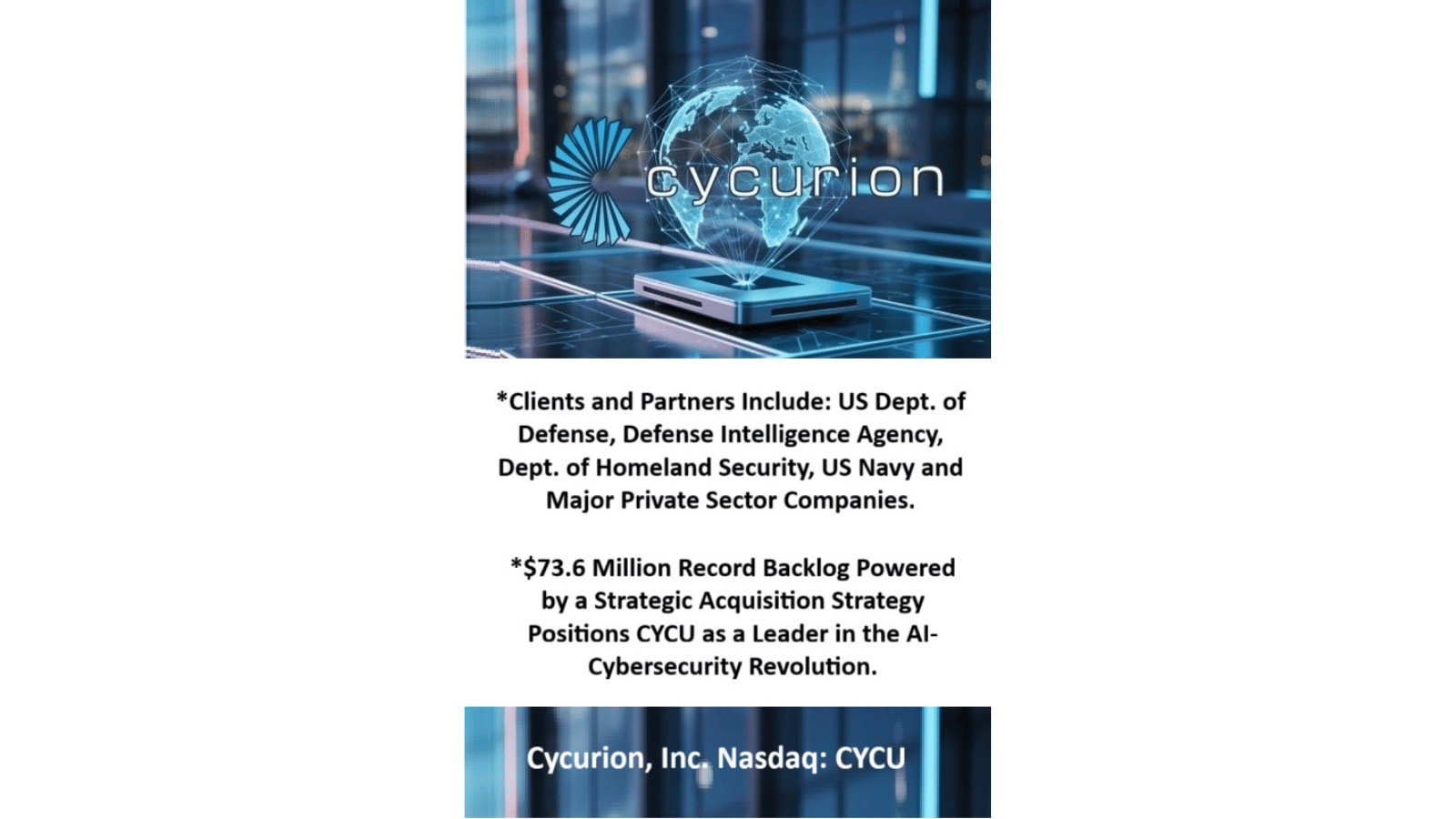
Converting a massive contracted backlog into active liquid capital remains a vital milestone for the corporate leadership team. The organization currently maintains an unfulfilled order pipeline valued at over one hundred fifty million dollars.The execution of this backlog is supported by recent contract wins across the municipal healthcare sector, including new public health engagements designed to generate one million three hundred fifty thousand dollars in annual revenue. The firm also secured a multi year support agreement with a prominent federal agency through an established relationship with a Fortune 500 technology prime contractor. These long term public sector arrangements typically maintain high contract renewal rates, insulating the firm from short term commercial real estate downturns.
Enterprise Implications of Consolidated Threat Intelligence Platforms
For corporate information officers, the accumulation of disparate security software tools has created significant operational vulnerabilities. Separate monitoring platforms often create disjointed data feeds, causing security teams to miss sophisticated multi stage intrusions.
The integration of automated risk analysis software addresses this systemic issue by normalizing threat data across cloud systems and local office servers. When an entry point is compromised, the automated logic analyzes the breach history, establishes defensive firewalls, and updates the compliance ledger simultaneously. This automated approach limits the duration of digital network exposures, helping firms avoid the severe financial penalties associated with international data breaches.
The corporate expansion also includes a definitive agreement to purchase an additional Washington based defense firm that specializes in federal risk management and cloud migration. The pending transaction is expected to add eighteen million dollars in annual recurring revenue, further cementing the organization position as a principal contractor for national security infrastructure.
Long Term Strategic Consolidation Outlook
The systemic integration of multiple independent software platforms represents a coordinated effort to build a highly defensive technology suite. By separating secure communication systems from automated compliance monitoring, the firm can address different procurement needs through a single contract vehicle.
The commercial viability of this rolled up platform will depend heavily on the corporate engineering team ability to merge these different code bases into a single user interface. Incompatible software architectures frequently cause post merger integration delays, which can increase customer churn rates if service levels drop.
Ultimately, the corporate transition toward automated, subscription based defense tools reflects the current reality of the enterprise software marketplace. As public and private entities face increasingly sophisticated digital threats, technology providers that can offer verified, compliant, and automated protective systems will remain highly competitive.