Wine Tasting Event Upgraded for Hudson Valley Summer Festival
The Shawangunk Wine Trail introduces the Grand Reserve Experience for its annual summer wine tasting event at City Winery Hudson Valley.
The regional beverage cooperative expands its seasonal event catalog with a premium tasting program designed for agritourism consumers.
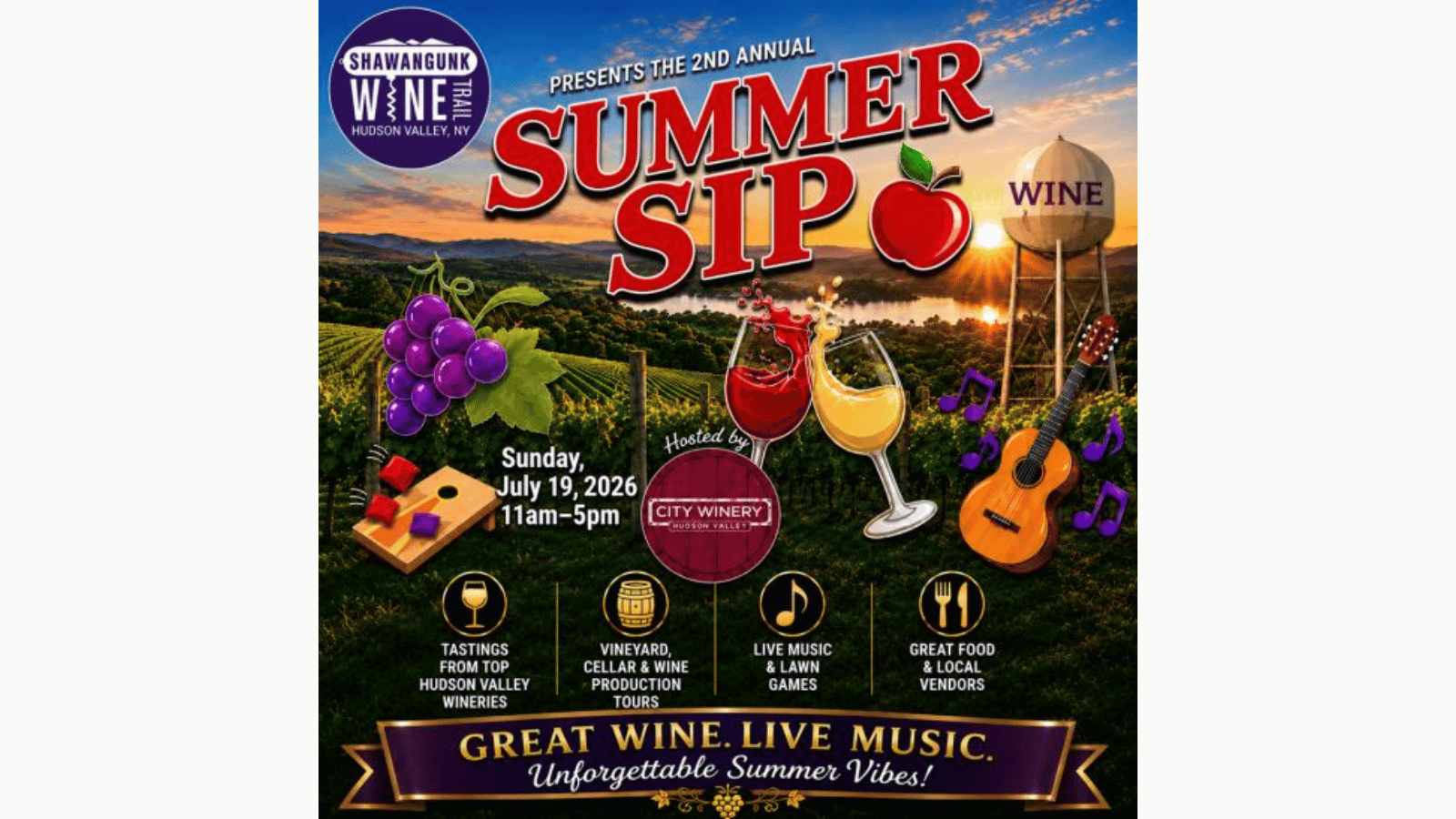
The Shawangunk Wine Trail finalized organizational plans to host its second annual Summer Sip festival at City Winery Hudson Valley in Montgomery, New York. Scheduled for July 19, the regional promotional event aims to centralize agricultural marketing efforts for ten independent beverage operations within the Hudson Valley farming district. The summer festival directly addresses a primary operational challenge facing boutique regional wineries that must establish cooperative tourism frameworks to capture weekend consumer traffic from nearby metropolitan centers.
The commercial coordination operates as a cooperative marketing platform intended to boost localized retail bottle sales during the peak summer tourism season. Regional tourism operators are currently adjusting their hospitality programs to cater to premium agritourism travelers who favor experiential tasting options over basic product purchasing. By pooling logistical resources at a single riverfront production facility, the participating micro businesses can offer a comprehensive tasting catalog that reduces transport friction for consumers navigating the rural agricultural corridor.
Operational metrics from the initial event cycle indicate that single day beverage festivals generate substantial direct to consumer revenue that helps offset winter production costs for farm wineries. The structural setup integrates an open public festival format with tiered ticketing options to capture varying levels of consumer spending. The local hospitality sector relies heavily on these coordinated weekend programs to stimulate regional economic activity across the lodging, restaurant, and agricultural supply sectors.
Ticketing Frameworks and Premium Beverage Tasting Upgrades
The administrative framework of the beverage festival relies on structured packaging tiers to segment incoming crowds and manage cellar tour capacities. Standard admission to the farm grounds remains open to the public without charge to maximize general foot traffic for the onsite restaurant operations. To drive specific beverage sampling revenue, the association established a baseline tasting pass that provides consumers with verified access to all ten participating operations. Ticket packages booked during the early registration window sit at twenty five dollars before transitioning to thirty five dollars closer to the event launch. The baseline ticket package provides attendees with a commemorative tasting vessel and inclusion in scheduled production facility tours where winemakers explain automated sorting and fermentation systems.
For the current seasonal cycle, management introduced a secondary tier called the Grand Reserve Experience to target high spending culinary tourists. Priced at fifty dollars during the introductory phase, this premium package grants entry to a restricted tasting lounge where vintners serve small batch library selections that are excluded from general circulation. The premium model also incorporates branded multi bottle transport containers to encourage bulk retail purchases before consumers exit the venue grounds.
Economic Impacts of Regional Beverage Trail Cooperatives
Operating a boutique agricultural facility in New York requires substantial capital investments in vineyard infrastructure, pressing machinery, and seasonal labor. Small scale operations frequently face distribution bottlenecks when attempting to place products on mainstream urban retail shelves.
The regional wine trail model manages this competitive disadvantage by shifting the corporate focus from wholesale shipping to direct farm gate sales. Established in 1984, the regional trade association utilizes collective marketing budgets to promote the entire geographic destination rather than individual brands. This collaborative framework allows smaller vineyards to leverage the foot traffic generated by historic regional anchors like Brotherhood Winery, which maintains commercial recognition as the oldest operational winery in the United States.
By routing tourists through a structured network that includes Quartz Rock Vineyard, Whitecliff Vineyard, and Robibero Winery, the organization ensures that marketing capital benefits the entire regional supply chain. The integration with City Winery’s established Sunday concert program further reduces customer acquisition costs by matching live musical entertainment with the regional beverage menu.
Industrial Evolution and Agrarian Tourism Market Trends
The East Coast craft beverage market is undergoing a significant transition as consumer preferences shift toward hyper local agricultural products. Rising transport costs and shifting supply line dynamics have forced independent restaurants to source more menu items from nearby agricultural zones.
To capitalize on this shift, local cideries and distilleries are expanding their production capacities for low alcohol options and heritage fruit ciders. Entities such as Applewood Winery and Clearview Vineyard are adjusting their planting schedules to include climate resilient grape varieties that thrive in the fluctuating weather patterns of the northeastern Appalachian foothills. The ability to showcase these experimental varieties at centralized events helps producers gauge consumer interest before investing in large scale vineyard re-planting initiatives.
Logistical Coordination and Regulatory Compliance
Managing an inter-municipal farm event requires precise adherence to state liquor authority mandates and municipal safety ordinances. The coordination team must secure temporary catering permits for every participating vintner to allow legal off site pouring and direct product sales.
The administrative burden also includes implementing strict age verification protocols at all entry points to ensure compliance with civil liability statutes. Since the event grounds feature open access lawn games and multi age family spaces, staff utilize distinct wristband identification systems to separate general festival attendees from authorized tasting participants.
The long term commercial viability of these cooperative events depends on continuous operational alignment between the independent vineyard owners and the host facility. Ensuring that inventory levels remain balanced across all ten tasting booths prevents product shortages from disrupting the consumer experience during peak afternoon hours.
Future Projections for Hudson Valley Agritourism
The expansion of the regional tasting calendar represents a deliberate move to secure the Hudson Valley position as a top tier culinary tourism destination. By introducing premium reserve tasting spaces, the organizers are adjusting the festival structure to attract higher margin corporate outings and weekend travelers.
The strategic integration of diverse beverage categories, including traditional estate wines, micro batch hard ciders, and farm distillates, protects the association from shifts in specific crop yields. Having a multi producer framework stabilizes the seasonal marketing message even if individual vineyards experience low harvests due to spring frost variations.
This annual cooperative framework serves as a primary driver for the regional hospitality economy. As corporate technology buyers and urban consumers continue to seek localized weekend experiences, beverage collectives that can deliver organized, accessible, and premium agricultural events will maintain a distinct competitive advantage over isolated rural operations.