The Weirdest Things People Are Already Using AI For
The everyday reality of unexpected software utilization reveals bizarre habits. Discover the strange things people are doing with AI right now.
The public debate around machine learning usually centers on autonomous transportation, medical breakthroughs, or the automated shifting of modern writing jobs. Instead, the everyday reality of unexpected software utilization reveals that average internet consumers are adopting neural networks to handle highly specific, intimate, and downright bizarre tasks. For every professional using code to draft a standard office spreadsheet, there is an individual using a server to write a deep psychological profile of their domestic cat or simulate a conversation with an inanimate object. This chaotic wave of consumer experimentation proves that when humanity is handed an advanced cognitive tool, the first impulse is often to use it for absolute novelty.
Generating customized bedtime stories to convince stubborn toddlers to sleep
The nightly struggle to put a hyperactive child to bed has traditionally relied on standard fairy tales, repetitive picture books, and exhausting parental patience. Parents are completely bypassing the traditional children’s book industry by using conversational language models to generate hyper-personalized stories on demand. The everyday reality of unexpected software utilization becomes clear when looking at parents who program specific daily behavioral metrics directly into the prompt terminal.
A parent can instruct the system to draft a story about a blue truck who specifically hates eating broccoli but discovers that consuming green vegetables grants the vehicle super-speed on the racetrack. Within seconds, the machine generates a fully formed narrative that directly addresses the exact disciplinary issue the family faced at the dinner table that evening. This tactical use of synthetic narrative turns a machine learning model into a temporary child psychologist, creating highly targeted behavioral propaganda disguised as a whimsical bedtime adventure. While effective, the trend reveals an environment where parents outsource the creative labor of imagination to distant server farms just to get through the evening routine.
Creating deeply detailed psychological analysis reports for domestic pets
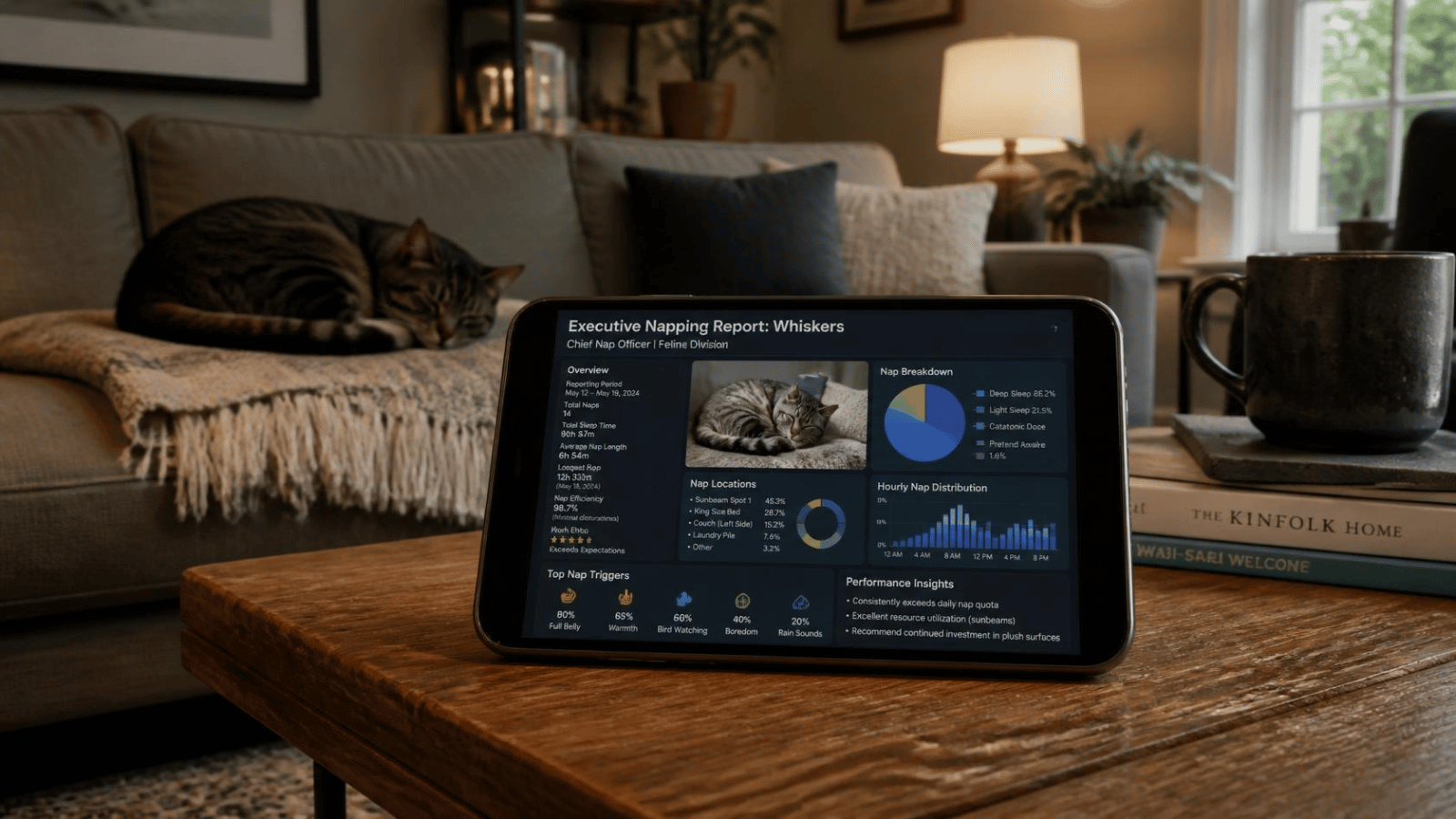
The relationship between humans and their household animals has reached a peak of analytical absurdity thanks to the widespread availability of image-analysis software. Pet owners are no longer content with simply playing with their animals or guessing their moods based on tail wags and vocal whimpers. Consumers are uploading photographs of their dogs, hamsters, and lizards into neural networks to receive multi-page personality assessments and simulated internal monologues.
By analyzing the posture, facial geometry, and environmental surroundings of a cat sitting on a rug, the software generates a detailed, satirical report outlining the animal’s existential anxieties, career aspirations, and hidden resentments toward the family vacuum cleaner. This manifestation of the everyday reality of unexpected software utilization allows people to project human complexity onto their pets with unprecedented detail. The trend has spawned a massive subculture of online humor where the boundaries between animal behavior and corporate personality testing are entirely blurred, showing that humans will use advanced computing power to anthropomorphize everything in their immediate sight.
Simulating endless romantic text message relationships with synthetic personas
The pursuit of human connection has taken a deeply surreal turn as millions of lonely individuals turn to customized cognitive agents for daily emotional validation. Instead of navigating the high-friction world of online dating apps or physical social gatherings, users are building idealized romantic partners out of code. These digital companions are programmed to remember personal preferences, send affectionate morning text notifications, and engage in deeply intimate conversations that last for months.
The users driving this trend are fully aware that they are interacting with a synthetic algorithm, yet the psychological comfort of an unconditionally supportive entity proves incredibly addictive. The system never picker fights, never suffers from an off day, and remains permanently available to listen to personal problems without demanding anything in return. This total elimination of relationship friction creates a profound social paradox, where individuals cure their immediate feelings of isolation by withdrawing completely from the messy reality of human interaction. The rapid growth of this industry highlights a quiet crisis of modern loneliness that software is attempting to patch with simulated affection.
Developing synthetic legal arguments to challenge minor neighborhood parking tickets
The administrative burden of fighting a local traffic fine or a municipal parking violation has traditionally deterred average citizens from seeking institutional justice. The legal industry is witnessing a massive influx of automated defense filings created by everyday consumers using specialized legal-analysis software. Drivers are simply uploading a smartphone photograph of their physical parking citation along with a brief description of the local street signage to generate comprehensive legal rebuttals.
The underlying software scans thousands of municipal traffic codes, look for hidden legal technicalities, and drafts a highly formal, citation-heavy appeal letter within a matter of seconds. This application of the everyday reality of unexpected software utilization effectively democratizes access to legal defense, allowing an individual to fight a fifty-dollar fine using the exact linguistic weapons of an expensive corporate attorney. Municipal courts are suddenly facing a massive backlog of highly articulate, machine-generated appeals that require significant human labor to review and process. This dynamic shifts the administrative burden back onto the local government, turning minor bureaucratic disputes into a war of attrition between human clerks and automated software engines.
The strategic value of observing erratic consumer software adoption
The rapid rise of these unconventional computational habits matters immensely because it reveals the true, unvarnished desires of the consumer market far better than any structured corporate survey. When a technology platform allows the public to interact with a blank prompt box without rigid constraints, the resulting behaviors expose massive, unaddressed gaps in modern society, from chronic social isolation to bureaucratic frustration. True innovation requires paying close attention to these erratic usage patterns rather than dismissing them as mere internet novelty.
The real advantage for decision-makers lies in recognizing that the commercial future of artificial intelligence will not be dictated strictly by stuffy enterprise software developers. Frequently, the most profitable applications emerge when average users bend a technology to fit their immediate, hyper-practical needs, like fighting a petty fine or entertaining a toddler. Stripping away the marketing hype reveals that the systems that succeed are the ones that lean into the chaotic, unpredictable ways humans actually choose to live their lives. By analyzing these weird use cases, forward-thinking enterprises can build tools that capture the authentic habits of a digitized society.