Why the original Project IGI was so special
The original Project IGI redefined tactical shooters with massive maps and a brutal lack of saves. Discover why this stealth game remains special.
The conventional blueprint for early action video games focused on narrow, linear corridors and mindless, fast-paced shooting galleries. Instead, the release of this stealth milestone presented a vast sandbox environment that forced players to approach combat with intense patience and calculated strategy. For every gamer raised on standard arcade shooters, the original Project IGI stood out as a remarkably unforgiving, hyper-realistic challenge that punished reckless behavior with immediate elimination. This tactical shift in design is forcing a retrospective appreciation for the specific gameplay mechanics that made the title a permanent icon of PC gaming culture.
The massive scale of open landscape tactical environments
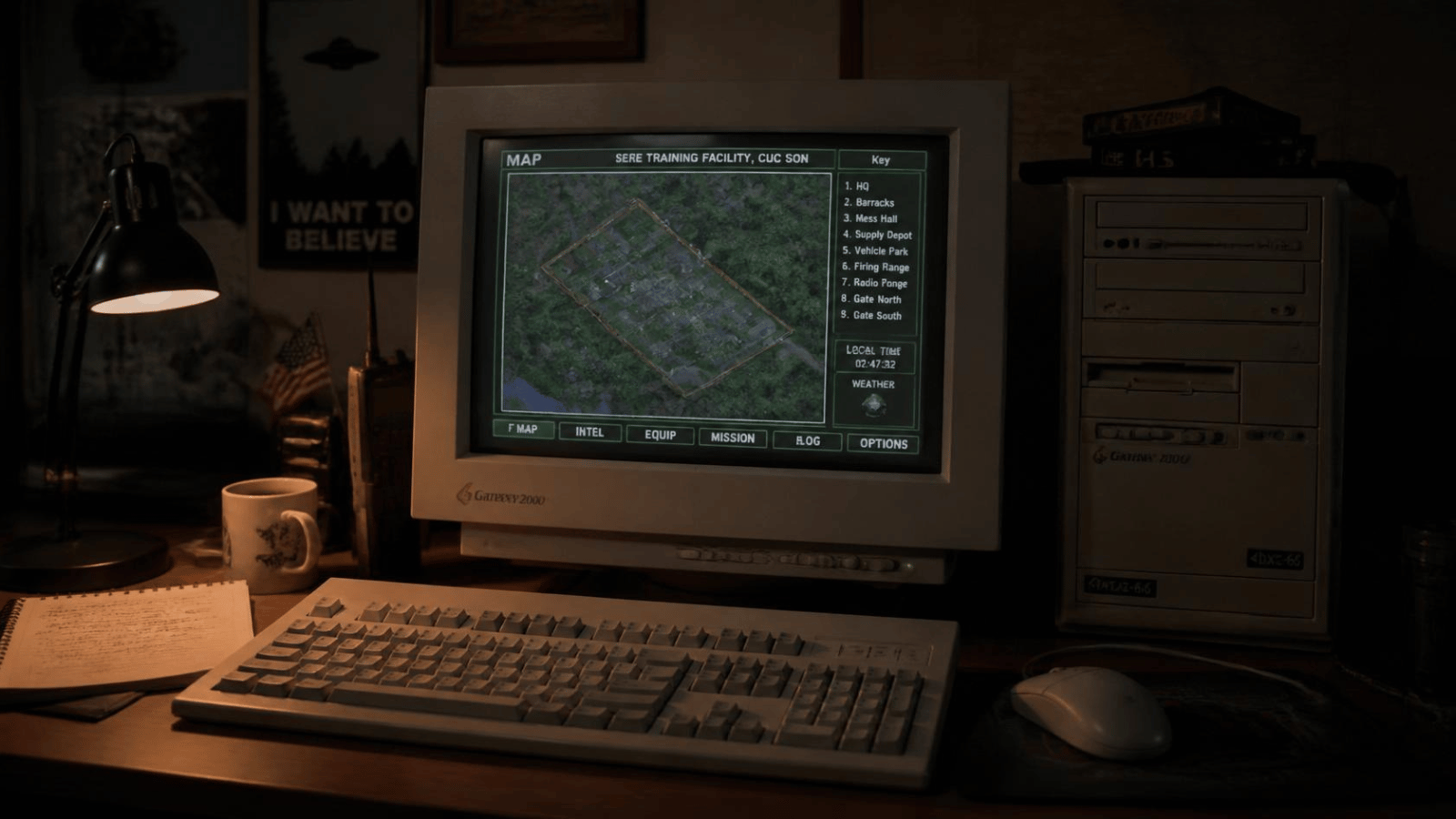
The most striking feature of the game was its use of advanced proprietary graphics code originally built for flight simulation software. This technology allowed the developers to build massive, open tactical maps featuring sweeping mountain ranges, vast valleys, and sprawling military compounds that felt genuinely infinite to players accustomed to enclosed rooms. The original Project IGI utilized this physical scale to shift the core dynamic of combat away from twitch reflexes and toward long-range reconnaissance and map navigation.
A player standing on a distant hilltop could use digital binoculars to actively scout an entire enemy base, tracking patrol patterns, locating security cameras, and planning a precise infiltration route. This level of environmental freedom transformed each mission into a complex logistical problem with multiple entry points. You could choose to snipe guards from a distant watchtower, slip through a broken perimeter fence under the cover of terrain, or disable the base alarm system before initiating a direct assault. This absolute reliance on spatial awareness built a distinct brand of tension that standard action games could not replicate, making the physical terrain an active participant in the mission.
The uncompromising tension of a total lack of mid-mission saves
The game achieved a legendary status among hardcore players due to a deliberate design omission that amplified the stakes of every single action. The development team completely stripped out the standard quick-save feature, forcing players to complete highly complex multi-stage objectives across massive military camps without a single checkpoint. The original Project IGI treated human failure with absolute finality, meaning a single stray bullet from a hidden sniper or a triggered alarm at the very end of a forty-minute run would instantly wipe out all progress.
While critics initially labeled this mechanic as artificially frustrating, it built an unparalleled level of psychological immersion and raw dread. Every footstep inside a facility had to be weighed against the risk of detection, and every bullet had to be conserved for vital engagements. This lack of safety nets forced players to develop genuine caution, transforming routine stealth mechanics into a high-stakes psychological game where your heart rate actively spiked the closer you got to the extraction zone. The absolute relief of completing a mission under these brutal conditions created a level of satisfaction that modern checkpoint-heavy action titles rarely deliver.
Reappraising the classic audio design and tactical tools
The immersive audio landscape that defined the original Project IGI
The atmospheric world-building relied heavily on a brilliant minimalist soundtrack and hyper-focused directional audio cues. The music would shift dynamically based on your stealth status, transitioning from a low, tense electronic pulse during infiltration to an explosive orchestral roar the moment your position was compromised. This auditory feedback loop served as an essential tactical radar, providing immediate psychological cues that kept players permanently on edge.
Furthermore, the game featured an iconic arsenal of realistic military hardware, from the silenced pistol used for quiet execution to the heavy sniper rifle that could pierce specific compound walls. The weapon physics enforced strict recoil mechanics and realistic bullet drop, requiring players to master the unique handling of each firearm to survive. Combined with a distinct, gritty aesthetic that captured the cold war espionage atmosphere perfectly, these tactical systems ensured that the game retained a unique identity that separated it entirely from contemporary sci-fi shooters.
The lasting cultural value of punishing game design
The enduring legacy of this tactical milestone matters immensely because it challenges the hyper-guided, hand-holding design choices that dominate the modern interactive entertainment market. When a contemporary game fills the screen with glowing objective markers, automated health regeneration, and constant automatic checkpoints, it eliminates the strategic friction that forces a player to actively think. The historical success of this title proves that audiences are entirely willing to embrace extreme difficulty and steep learning curves if the underlying simulation respects their intelligence and rewards genuine mastery.
The real benefit of analyzing this classic shooter lies in recognizing that true engagement often comes from vulnerability rather than effortless power fantasies. When an enterprise designs a system where failure carries real, non-negotiable consequences, it fosters a deep level of focus and emotional investment from the user base. Stripping away the modern marketing hype reveals that the games that stick with us for decades are not the ones that let us win automatically, but the ones that forced us to earn every single victory through patience, planning, and absolute execution.