Why Every City Thinks It Was Better 20 Years Ago
Every metropolis hides a ghost town built entirely out of our collective selective memory.
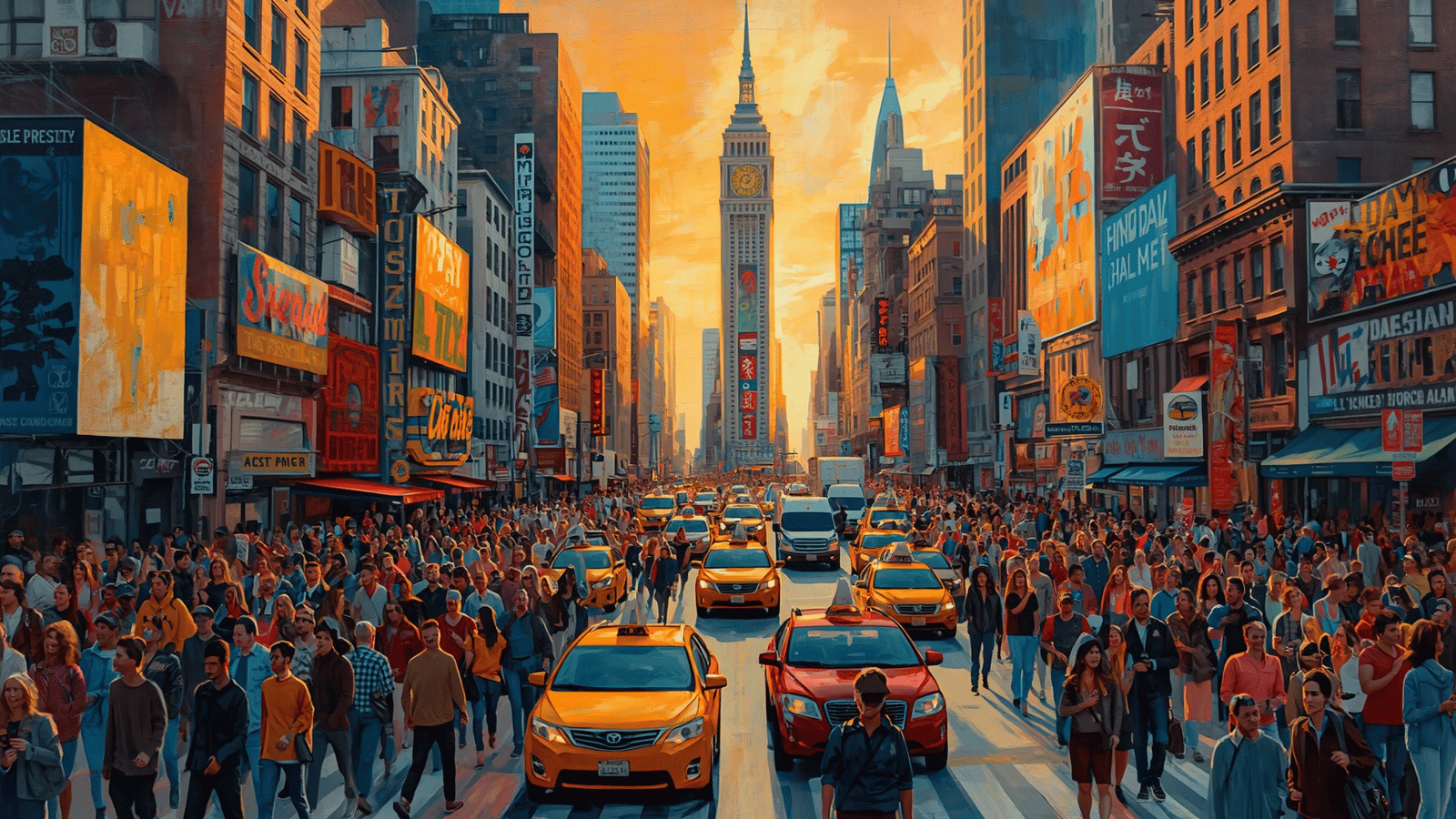
Sit in any local coffee shop or dive bar long enough and you will inevitably hear a familiar lament about how the local culture has lost its soul. There is a universal phenomenon driving urbanites across the globe to claim that their specific city was better 20 years ago. Whether you are walking through the hyper gentrified alleys of Brooklyn or watching tech campuses reshape Austin, the conversation remains identical. This shared collective delusion says that two decades ago rent was cheap, the music scene was authentic, and the traffic was actually manageable.
The Cognitive Bias Fueling Urban Nostalgia and Selective Memory
Human memory is a notoriously unreliable narrator, heavily prone to editing out the bad parts to create a pristine highlight reel. When examining urban nostalgia, people rarely reminisce about the actual infrastructure of two decades past. They forget the unreliable transit options, the higher crime rates, and the distinct lack of reliable digital connectivity that plagued the early thousands. Instead, they miss the version of themselves that existed back then, younger, less burdened by systemic responsibilities, and entirely open to the chaos of urban exploration.
This psychological filter tricks us into believing the environment changed for the worse when we were simply experiencing a shift in personal perspective. A neighborhood that feels corporate today might have just been gritty and underfunded back then, but to a twenty-something resident, it felt like an untouched playground. The local dive bar that got replaced by an artisanal juice shop becomes a martyr for an idealized past that never truly existed. We project our own aging process onto the concrete walls of our neighborhoods, mistaking our own cynicism for a decline in the city’s inherent charm.
How Digital Archiving Distorts Urban Nostalgia Over Time
The internet acts as an accelerant for this sentimental distortion by trapping us in a loop of curated retro content. Instagram accounts and community forums dedicated to historical photography constantly broadcast images of the city from yesteryear, stripped of context. We see the vibrant street life of the past without experiencing the lack of economic mobility that often accompanied it. This digital echo chamber makes urban nostalgia highly contagious, convincing newcomers who never even experienced the previous era that they somehow missed out on the true peak of the city.
Real Estate Realities and the Cost of Progress
Beneath the psychological layers of urban nostalgia lies a very real, tangible culprit, which is the relentless escalation of housing costs. When citizens complain that a city was better twenty years ago, they are often using culture as a proxy metric for affordability. Two decades ago, the entry barriers for artists, immigrants, and weirdos were significantly lower, allowing weird micro communities to sprout in the margins of forgotten neighborhoods.
As real estate values climb, those margins evaporate, forcing creative populations further out to the periphery. The resulting homogenization leaves a city looking polished but feeling distinctly sanitized. Commercial storefronts that once housed independent bookstores or strange specialty shops get replaced by predictable venture capital backed dental clinics and national bank branches. This predictable retail monoculture is what people are actually mourning when they look back at old maps, because they miss a time when local commerce felt distinct.
The True Human and Economic Value of Urban Adaptation
Understanding the mechanics behind urban nostalgia matters immensely to urban planners, local business owners, and city residents who are trying to navigate modern expansion. When city officials mistake nostalgic complaints for genuine structural policy needs, they often make the mistake of trying to freeze a neighborhood in amber. This preservationist impulse frequently backfires by restricting new housing developments, which restricts supply and drives costs even higher, accelerating the exact displacement people are protesting.
For businesses and real estate developers, peeling back the layers of community grief reveals what real people actually value, which is a sense of ownership and belonging. A city that builds without considering its historic social fabric will end up with empty luxury towers and a disconnected, transient population. True economic sustainability happens when developers figure out how to integrate modern housing densities while actively supporting the legacy businesses that gave the neighborhood its identity in the first place.
The Paradox of Mobility and Digital Transformation
The modern tech environment has radically transformed how we interact with public spaces, moving many traditional interactions behind glass screens. Twenty years ago, finding a flatmate, finding a concert, or discovering a great place to eat required a high degree of physical friction and real world serendipity. You had to read physical flyers stuck to telephone poles or talk to strangers at independent record stores.
Today, algorithms curate our urban experience before we even step out of our front doors, optimizing every route and predicting every meal. While this digital layer offers incredible convenience, it removes the accidental discoveries that make city living feel magical and unpredictable. The lingering sense of urban nostalgia is often just a subconscious desire for that lost friction, a wish to get lost in a place that has been entirely mapped, rated, and reviewed by a smartphone application.
Cities are not museums designed to stay static for our personal comfort, they are massive, living organisms that must evolve or decay. The version of the city that exists today will be the exact place that twenty-somethings twenty years from now will look back on with fierce, protective longing. Embracing the inevitability of change allows us to stop mourning a fictionalized past and start actively shaping the tangible reality of the neighborhoods we inhabit right now.