
Texture CommonGrid Open Source Registry Launches to Map United States Power Grid Infrastructure
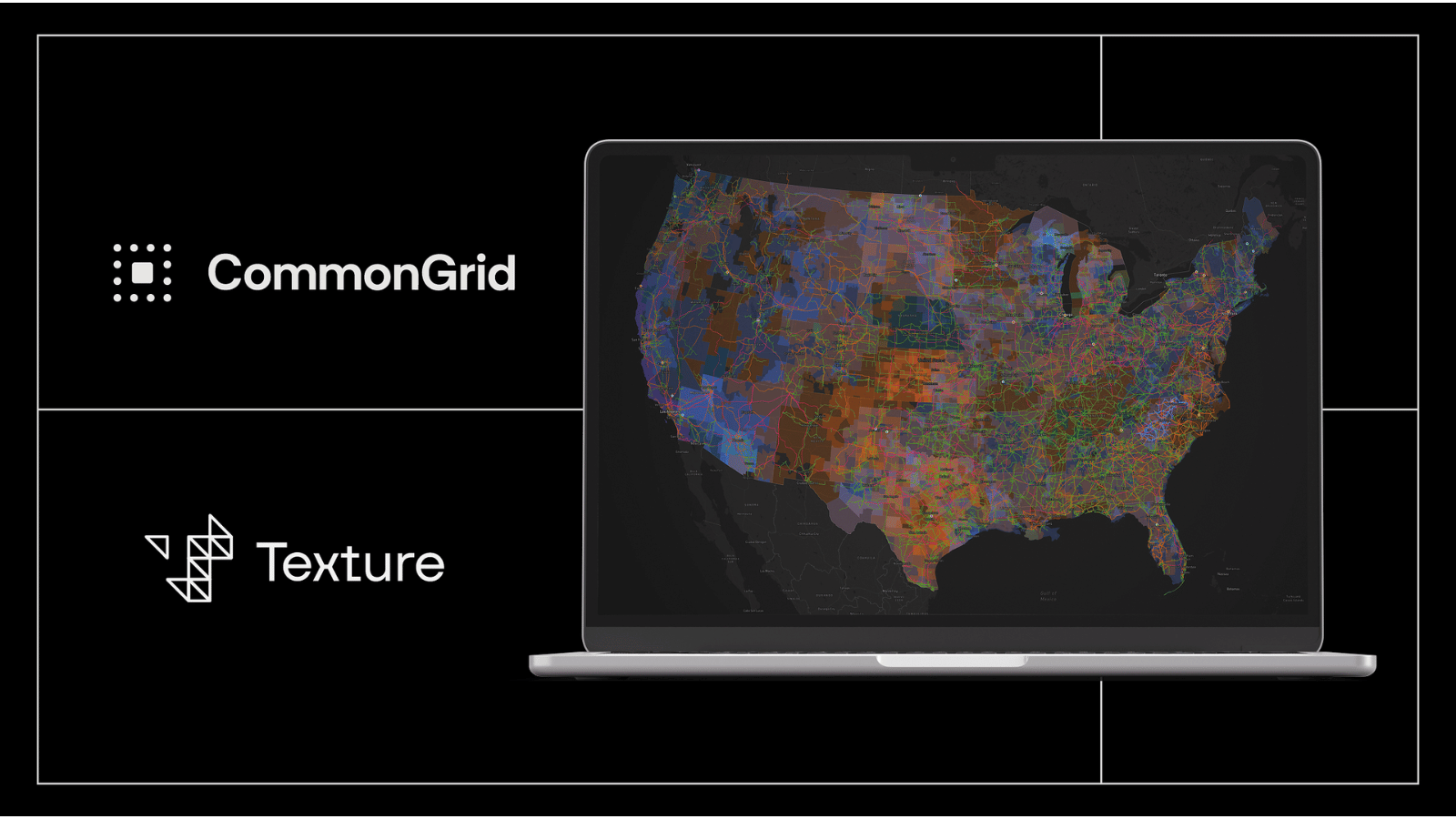
Energy technology platform Texture has officially announced the launch of the Texture CommonGrid open source registry. The initiative introduces an open access community moderated digital model and interactive geospatial map linking electric utilities, regional grid operators, power generation facilities, and major transmission assets across the United States.
News About Texture CommonGrid Open Source Registry
New York based energy software firm Texture released the Texture CommonGrid open source registry to establish a unified public record of the electrical grid across North America. Structured and moderated using principles established by Wikipedia, the registry integrates disparate energy infrastructure data into a single relational graph where every update is attributed to a contributor, cited to an authoritative source, timestamped, and completely reversible.
Developed under the leadership of Chief Technology Officer Victor Quinn and Chief Executive Officer Sanjiv Sanghavi, the registry consolidates hundreds of previously fragmented public sources into an accessible data model. Core infrastructure components cataloged within the system encompass several critical areas.
- Electric Utilities. Investor owned utilities, rural electric cooperatives, municipal utility districts, and federal power marketing administrations.
- Grid Operators. Regional transmission organizations, independent system operators, and balancing authorities coordinating power dispatch and reliability.
- Generation Resources. Utility scale solar installations, wind farms, nuclear reactors, natural gas generation facilities, and hydroelectric dams exceeding one megawatt in capacity.
- Transmission Networks. High voltage transmission corridors spanning 69 kilovolts up to 765 kilovolts, mapped spatially with documented utility ownership.
- Grid Endpoints. Public electric vehicle charging plazas with plug standard specifications, wholesale locational marginal pricing nodes across seven regional markets, normalized substations, and territory specific tariff rebate programs.
The dataset is published under the Open Database License 1.0, permitting commercial use, software integration, and redistribution under attribution and share alike terms. Texture provides access through REST application programming interfaces alongside weekly downloadable database snapshots in SQL and GeoJSON formats hosted on GitHub. Community suggested edits undergo validation by an elected moderation panel before merging into regular public releases.
Significance of Texture CommonGrid Open Source Registry
The establishment of the Texture CommonGrid open source registry is significant for clean technology developers, energy market analysts, and academic researchers because the national power grid is undergoing rapid structural transformation. Surging electric loads from artificial intelligence data centers, extensive vehicle electrification, expanding distributed solar networks, and aging substation equipment make comprehensive system visibility essential.
Historically, accurate infrastructure information existed in isolated fragments across state regulatory commissions, regional balancing authorities, and individual municipal filings. Electric cooperatives and municipal utility providers frequently spent substantial financial resources recreating duplicate territory maps, resulting in conflicting service boundaries and inconsistent public documentation.
Adopting a crowd vetted open source architecture addresses this systemic fragmentation. Independent clean energy developers, distributed generation operators, and regional engineers can verify service boundaries and update retiring assets in real time. Providing programmatic access through free APIs and geospatial downloads accelerates transmission interconnection studies, lowers project siting costs, and enhances economic modeling for national grid modernization.
Next Steps for Texture CommonGrid Open Source Registry
Following the public rollout, Texture is inviting community contributors and regional utility operators to assist in refining municipal utility boundary lines, which require local jurisdictional insights. The platform moderation panel will review incoming territory revisions and expand documentation for open source data contributors.
Texture plans to sustain the underlying infrastructure while transitioning administrative governance directly to the community. Software teams will continue expanding API functionality, adding deeper support for battery energy storage systems, distributed energy resources, and real time congestion monitoring datasets.