NVIDIA AI Factory Designation Achieved by Penguin Solutions
Penguin Solutions becomes an NVIDIA AI Factory Specialized Partner, validating its full-stack enterprise computing and GPU orchestration capabilities.
The NVIDIA AI Factory validation framework added a premier operational node on Tuesday as California computing infrastructure developer Penguin Solutions secured specialized partner status within the NVIDIA Partner Network distribution system. The invitation-only corporate designation requires technology providers to satisfy rigorous engineering training protocols, verify multi cluster hardware competencies, and demonstrate real world field execution ahead of formal authorization. By securing this integrated technical credential, the Nasdaq-listed systems company establishes a verified baseline for designing, deploying, and operating high density graphics processing unit factories for institutional enterprises, private cloud developers, and sovereign computing programs globally.
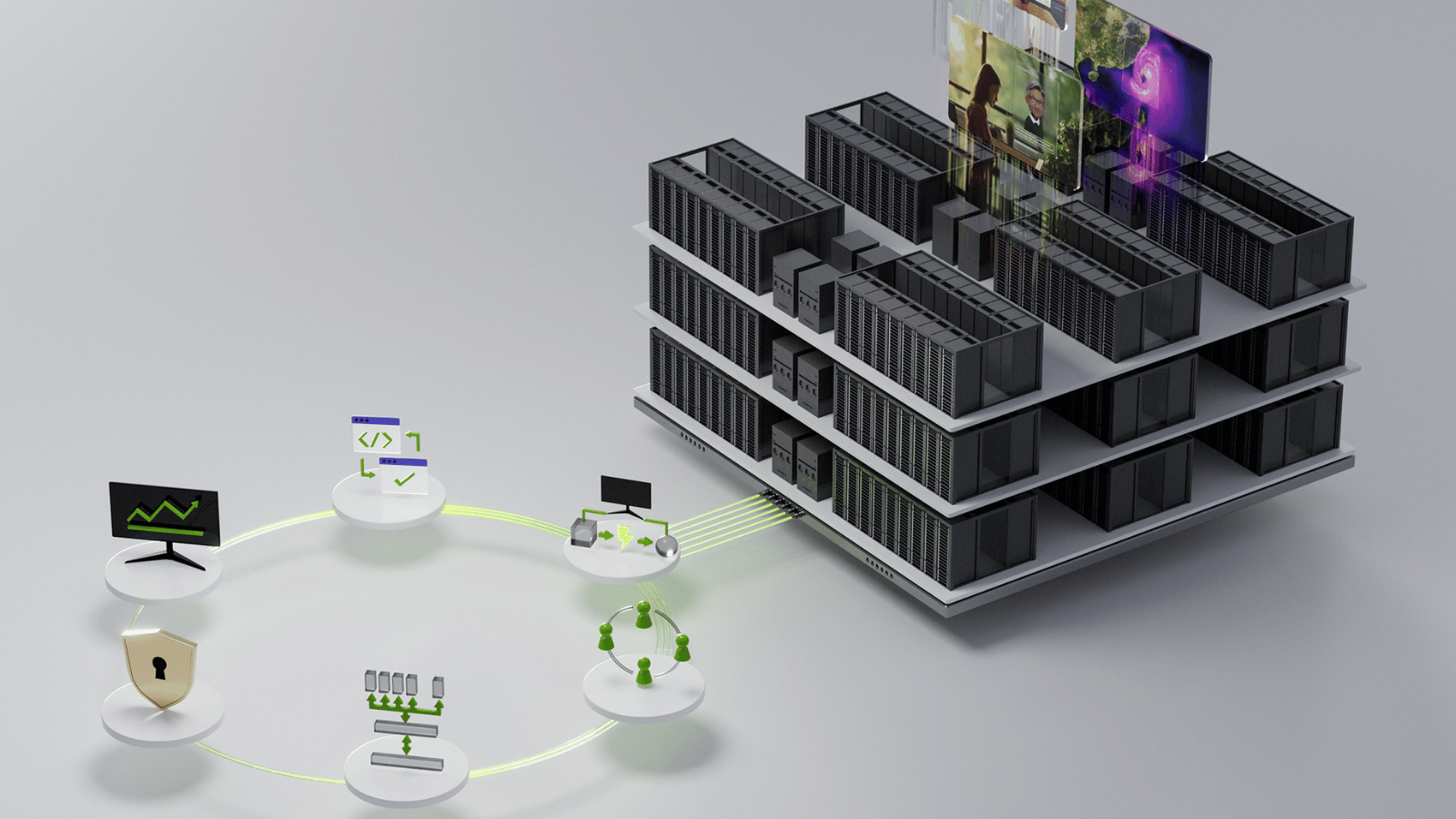
The corporate strategy behind the technical alignment addresses the severe resource constraints that frequently delay the rollout of production grade artificial intelligence hardware arrays. As multinational corporations transition from early stage pilot projects toward high volume data inference and automated software agent pipelines, the underlying hardware must maintain strict processing reliability. Penguin Solutions leverages its full stack engineering platform to coordinate complex power distributions, specialized server racks, high throughput network topologies, and local storage nodes, ensuring that dense hardware arrays deliver superior operational token economics.
The underlying technology suite relies on integrated local management software to simplify the orchestration of massive multi GPU environments. The company distributes a specialized product ecosystem including ClusterWareAI, MemoryAI, and ComputeAI to automate background system diagnostics and maximize hardware utilization across active data center footprints. This continuous software orchestration removes the structural complexity that historically plagued large scale accelerated computing deployments, allowing corporate technology buyers to stabilize training schedules and scale inference pipelines without incurring linear administrative cost increases.
Maximizing Operational Efficiency via the NVIDIA AI Factory Specialization
The formal integration of the NVIDIA AI Factory specialization reflects an ongoing structural transition within the corporate data center market, where high growth tech enterprises demand highly integrated hardware stacks over custom components. Historically, enterprise technology groups assembled data processing centers by procuring disconnected servers, switches, and storage blocks from separate manufacturing vendors, a practice that introduced significant integration lag and system instability. Implementing pre-validated reference architectures allows organizations to accelerate their time-to-value metrics, reducing the deployment friction associated with launching high density hardware.
Enterprise technology procurement directors and chief information officers track these premier partner specializations to de-risk high capital investments in next generation hardware. When an organization funds an isolated, non-standard server cluster, the long term maintenance of complex network fabrics can become highly volatile, presenting an immediate threat to system uptime. Utilizing a certified full stack infrastructure partner ensures that the underlying computational environment adheres to strict manufacturer guidelines, protecting the integrity of high value neural network models.
The data routing network extends into complex multi national projects, where the computing firm collaborated with international telecommunications providers like SK Telecom to engineer the Haein AI Factory cluster. The award-winning South Korean development establishes a standardized blueprint for sovereign computing programs, enabling regional governments to maintain absolute data protection within localized borders. This specialized infrastructure delivery model allows international clients to lease highly secure GPU-as-a-Service capacity while remaining fully compliant with regional data privacy mandates and national security directives.
Optimizing Voice Infrastructure with the NVIDIA AI Factory Architecture
The administrative management of large scale processing arrays is illustrated by recent infrastructure deployments for enterprise voice intelligence providers like Deepgram. The specialized speech-to-text and speech synthesis platform requires massive, low-latency computational pipelines to process concurrent voice data streams for enterprise customers without generating transaction drag. Penguin Solutions addressed these high volume demands by deploying specialized infrastructure architectures that couple high-performance storage arrays with advanced accelerated computing nodes to sustain continuous voice agent execution.
Balancing Power Requirements Across Next Generation Server Farms
The long term commercial viability of massive computational nodes depends heavily on their capacity to handle expanding energy burdens within constrained utility markets. Energy analysts understand that operating thousands of accelerated processors simultaneously places unprecedented stress on data center sub stations, demanding advanced power management tools to prevent thermal throttling. The integrated services team addresses this physical challenge by engineering custom power distribution systems that monitor energy consumption at the node level, ensuring that massive installations remain within safe operational efficiency bounds.
The broader business community views the transition toward standardized, specialized infrastructure deployment partners as a logical progression within the global technology sector. As generative models grow increasingly complex and automated business operations scale across all industries, the underlying physical hardware layers must achieve complete standardization to avoid widespread computing bottlenecks. The official validation of advanced full stack deployment methods signals a definitive transition toward industrial grade, self-contained processing platforms that unify deep hardware engineering with automated infrastructure management software.