
Why Do We Trust Products With a High Price
The high price bias changes how we shop every day, making our brains trust expensive items over cheap ones simply because they cost more.
The simple act of shopping often turns into a mental game where the cost of an item changes how we view its quality. Most people believe they make smart choices based on facts, features, and real value when they spend their hard-earned money. Instead, the real truth behind this high price bias shows that human brains are wired to use cost as a quick shortcut for safety and value. For every shopper who thinks they are buying a better item just because it costs more, there is a company that raised its prices simply to make its goods look premium. This deep trust in expensive things forces us to look at how we judge value and why we often think cheap items are always worse.
The simple psychology of the high price bias
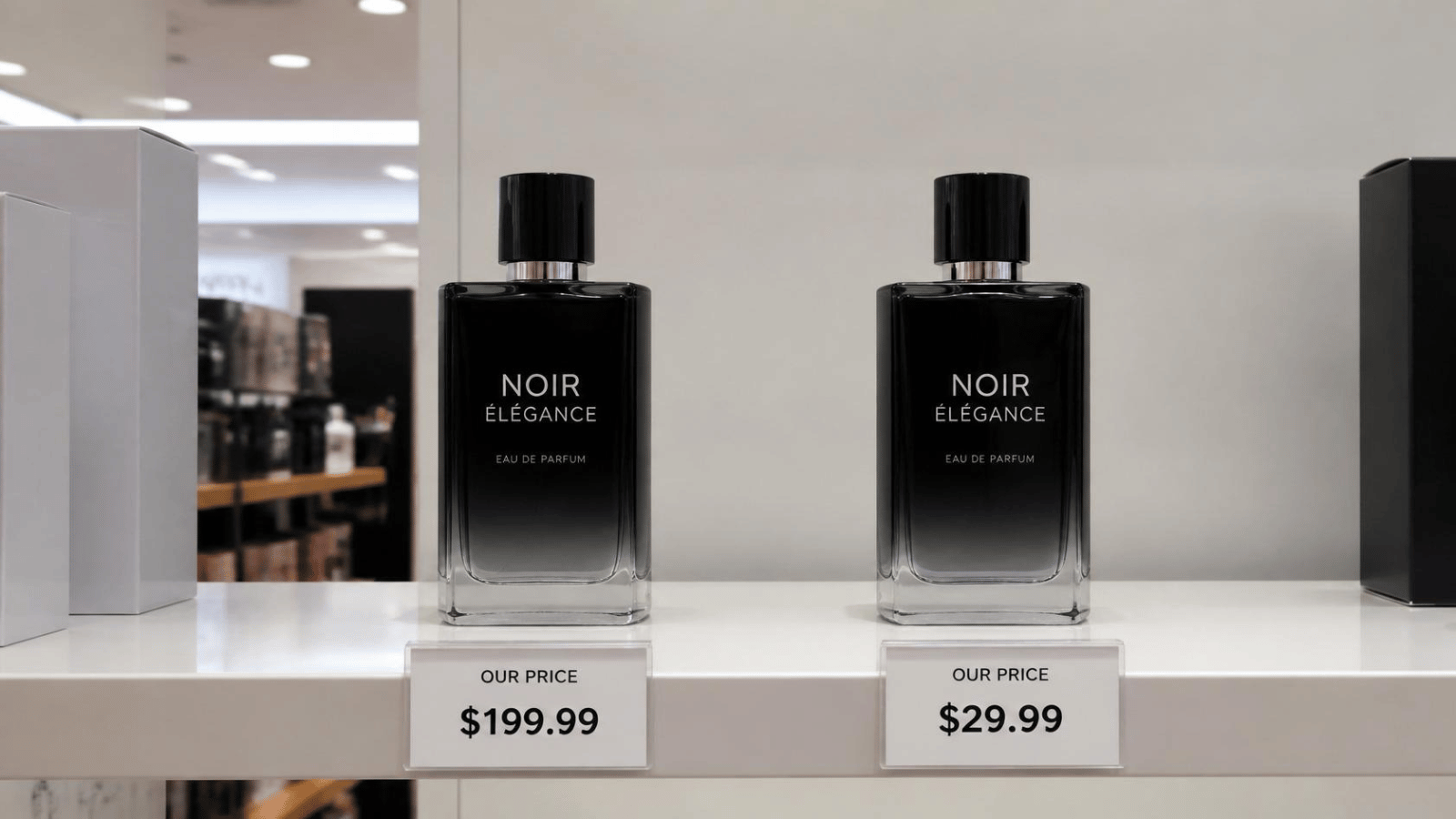
The main reason we trust expensive items is because our brains love to find quick ways to make fast decisions. When you walk into a store and see two pairs of headphones, your brain does not want to spend an hour researching the internal wiring or the speakers. It looks at the price tag and assumes that the more expensive option must be made with better parts and by better workers, which activates the high price bias.
This mental shortcut comes from years of real-world experience where better materials usually cost more money to buy and build. Over time, we turn this experience into a rigid rule that says expensive equals good and cheap equals bad. Companies know exactly how our brains work, so they use high numbers to create an instant feeling of trust and safety. When a product costs a lot, we automatically assume it is safer, will last longer, and works better than the cheap alternative.
This bias is so strong that it can actually change how our bodies feel and react to a product. Researchers have done tests where people drink the exact same wine but are told that one bottle costs five dollars and the other costs fifty dollars. The people in the study consistently say the expensive wine tastes much better, and scans show that the pleasure centers in their brains light up more. The high price bias does not just change what we think, it literally changes how we experience the world around us.
How companies trigger the high price bias to sell luxury
The marketing strategy behind the high price bias
The corporate world uses this human quirk to build powerful brands that do not have to compete on regular features or low costs. By setting a high price bias on a basic item like a t-shirt or a watch, a business can instantly move out of the regular market and into the luxury category. This strategy works because people do not just buy items for their utility, they buy them to signal their wealth and status to their peers.
When a watch costs ten thousand dollars, it is no longer just a tool to check the time because a twenty-dollar watch can do that perfectly well. The expensive watch becomes a visual sign that tells everyone in the room that the owner has achieved a certain level of financial success. The high price bias turns the item into a badge of honor, making the customer feel proud to pay a premium just to own the logo. If the company lowered the cost, the item would lose its magic power and its best customers would stop buying it entirely.
This strategy is especially common in the beauty and medicine industries where safety and health are high priorities for consumers. People are terrified of putting cheap chemicals on their skin or taking cheap pills, so they willingly pay massive markups for peace of mind. The high price bias acts like a protective shield, convincing the buyer that the extra money is a direct investment in their personal safety and health.
The real business value of understanding consumer trust
The deep impact of this consumer habit matters immensely because it changes how new companies must think about setting their sales metrics and launch plans. When a new business sets its prices too low to try and win customers quickly, it often accidentally ruins its own reputation before it even starts. Customers look at the low cost and assume the product is cheap, broken, or made with bad materials, driving them straight into the arms of more expensive competitors who benefit from the high price bias.
For smart founders and decision makers, this reality proves that you do not always need to be the cheapest option in the market to win the game. The highest customer trust is often won by businesses that price their items fairly to reflect their real value and quality without trying to trick the brain. Stripping away the marketing fluff reveals that while the high price bias is a powerful tool, true long-term success requires a product that actually delivers real results when the customer takes it home.