GoodVision AI to Build 100 MW AI Factory in Japan via New Strategic Computing Infrastructure Deployment Partnership
Computing infrastructure group launches a joint regional development project featuring the GoodVision AI to Build 100 MW AI Factory plan to deliver enterprise inference processing installations.
What’s the News About GoodVision AI to Build 100 MW AI Factory?
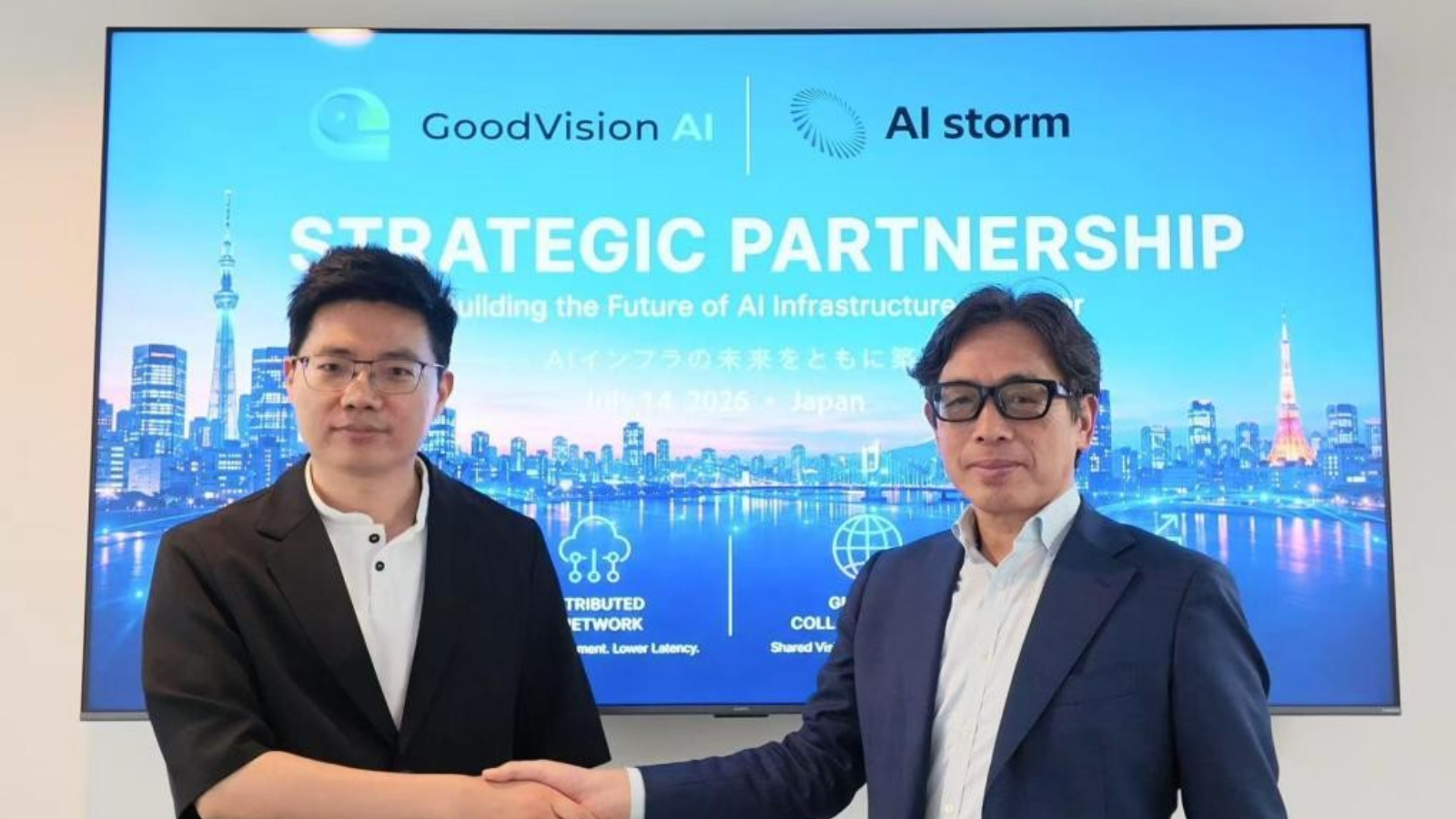
Technology development firm GoodVision AI finalized a corporate cooperation agreement with IT consulting business AI Storm to execute the GoodVision AI to Build 100 MW AI Factory infrastructure expansion roadmap across Japan. The regional computing project begins with an initial 2 megawatt liquid cooled server installation located in Fukushima to anchor local data processing operations.
This flagship facility houses a hardware cluster of 72 Nvidia B300 servers equipped with more than 500 processing units to provide dedicated enterprise inference services within three months. The corporate network unifies containerized data hardware structures with specialized Smart Routing Engine optimization software to balance processing speeds, network latency, operational budgets, and information security parameters automatically across active software models.
The phased business plan establishes a modular network structure that allows the development partners to grow regional computing capacity gradually in direct response to regional power grid availability and real client demand. Following the completion of the 2 megawatt flagship site, the second growth phase aims to reach 20 megawatts of total installed computing power throughout the country within twelve months. The subsequent long term goal expands the regional grid network to achieve the full 100 megawatt operational target within three years, supported by early land and grid connections secured across core metropolitan areas like Tokyo.
Why Is GoodVision AI to Build 100 MW AI Factory Significant?
The industrial realization of the GoodVision AI to Build 100 MW AI Factory strategy is highly significant because enterprise artificial intelligence models consume enormous amounts of electric power, causing heavy resource competition for suitable real estate locations near major metropolitan centers. For example, a research laboratory deploying complex large language models for medical diagnostics can route its algorithms through the GoodVision network to minimize data transfer lag since the processing hardware sits physically close to urban business hubs. By combining advanced liquid cooling infrastructure with flexible modular deployments, the platform delivers high density computing capacity without overtaxing localized public utility systems.
This specialized computing focus addresses the specific technical needs of modern artificial intelligence inference workloads, which run active models to answer user queries rather than training raw algorithms from scratch. Securing over fifty potential metropolitan sites in advance provides the development alliance with a critical first mover advantage before competitor networks purchase available land parcels. The operational integration allows Japanese commercial entities to purchase dedicated local cloud resources that remain protected by local legal rules, insulating corporate intellectual property from cross border network vulnerabilities.
Furthermore, this corporate expansion matches the long term capitalization strategy of the parent company, which recently entered a formal business combination agreement with Calisa Acquisition Corp to secure a public stock market listing on the Nasdaq exchange. By building out a physical footprint of high density hardware facilities, the technology firm creates a reliable base of recurring infrastructure revenue to fund upcoming software updates. This commercial foundation provides corporate buyers with the long term stability needed to transition critical operational applications onto the automated network.
What’s Next for GoodVision AI to Build 100 MW AI Factory?
The next upcoming milestone for the GoodVision AI to Build 100 MW AI Factory project centers on completing the construction phase of the 2 megawatt Fukushima hub to bring the initial server banks online ahead of winter schedules. Engineering teams will focus on connecting the Smart Routing Engine software layer to the physical server arrays, conducting extensive performance validation tests to ensure sub millisecond response metrics for regional enterprise clients. The partner firms will simultaneously advance planning permissions for the reserved locations around Tokyo to prepare the ground for the larger phase two scaling sequence.
Looking further ahead, the combined corporate entity intends to finalize its planned public merger transaction during the second half of the current fiscal year to accelerate equipment procurement cycles for the multi city expansion phase. The development groups will continuously evaluate hardware market changes to incorporate upcoming iterations of graphics processing architectures into their modular factory designs. By maintaining a modular engineering setup, the company ensures that the expanding 100 megawatt physical computing network remains fully compatible with next generation artificial intelligence models as international data requirements grow.