Dodge Digital Ecosystem Deploys Viper GTS-R in Gaming
The Dodge Digital Ecosystem brings the iconic Viper GTS-R car into Fortnite and Rocket League for a limited-time cross-platform interactive event.
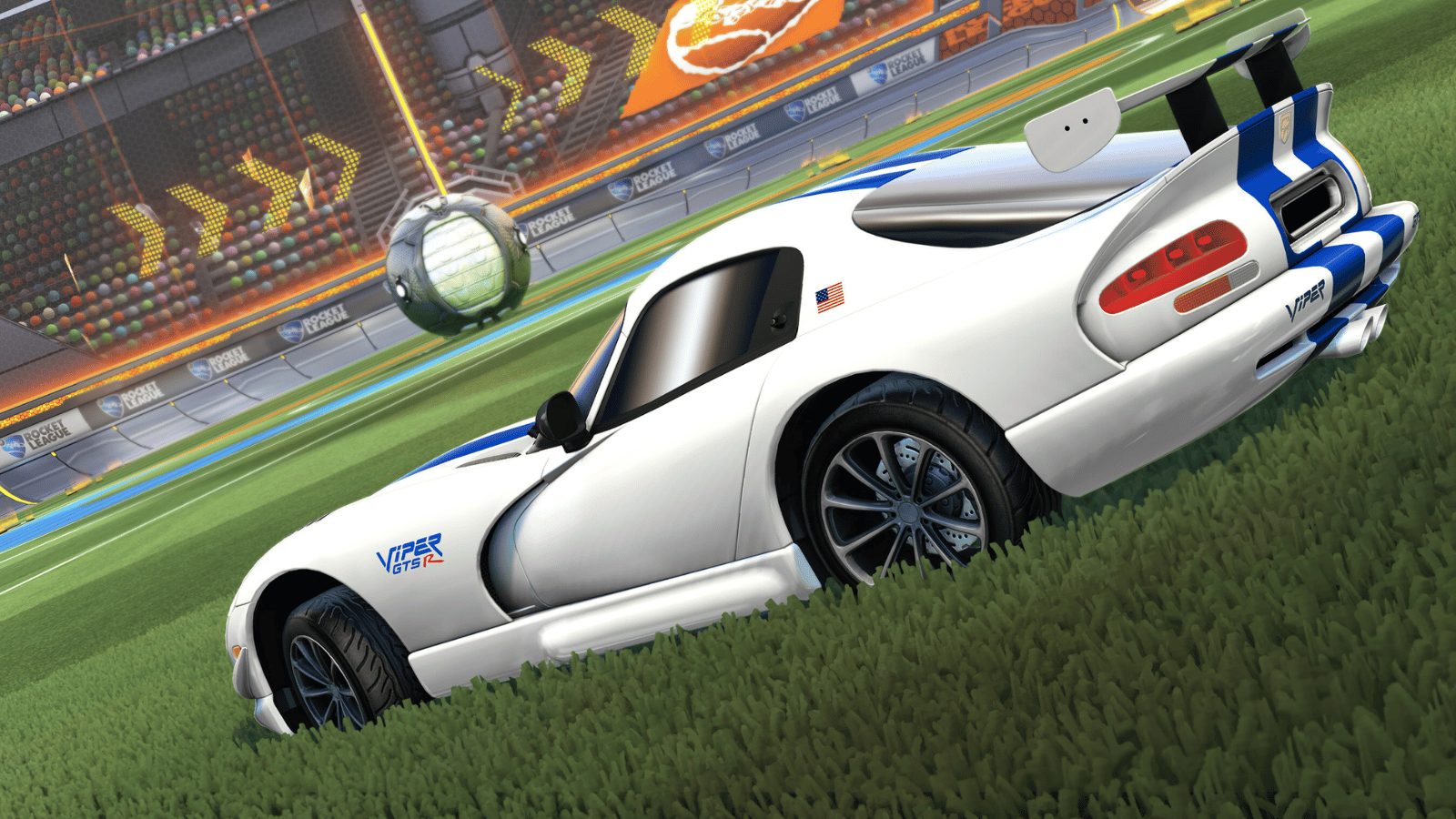
The Dodge Digital Ecosystem expanded its interactive brand footprint on Thursday as global automotive group Stellantis announced a strategic promotional integration bringing the historic Dodge Viper GTS-R sports car into Epic Games’ massively popular virtual ecosystems, Fortnite and Rocket League. The cross-platform digital release introduces a highly detailed, interactive vehicular physics asset that bridges traditional American motorsports heritage with next-generation online gaming communities. By deploying custom-engineered virtual replicas of its famous factory-built race car simultaneously across separate multiplayer environments, the brand intends to bolster consumer engagement metrics and build lifestyle affinity among younger, digitally native demographics.
The commercial execution strategy leverages cross-platform asset synchronization to maximize retail reach during a tightly restricted, ten-day promotional window. While traditional static banner advertisements face declining engagement rates, modern automotive marketers rely on interactive gaming integrations to place functional brand assets directly into the hands of active consumers. Utilizing unified software distribution pipelines allows the digital car to be made available for a limited time—from July 2 at 8 p.m. EST through July 12—giving millions of global players the immediate capability to purchase, customize, and navigate the high-octane vehicle within competitive in-game ecosystems.
The underlying digital architecture is optimized to maintain precise visual modeling and uniform physics dynamics across distinct graphic engines. The automated asset matrix translates the physical contours, aerodynamic lines, and racing stripes of the real-world GTS-R into optimized polygonal meshes capable of seamless rendering during intense real-time matches. This specialized software integration supports cross-game ownership, ensuring that when an enthusiast unlocks the dedicated vehicle bundle or explicit modification packs in one game world, the customized sports car transfers automatically into their linked profile on the adjacent platform.
Immersing Gaming Communities via the Dodge Digital Ecosystem
The deployment of the virtual Viper asset marks a calculated progression within the digital media landscape, where consumer products transition from standard media sponsorships to become active participants inside virtual sandboxes. The engineering team utilizes these interactive platforms to celebrate the car’s real-world racing legacy, which includes securing five international GT championships, three consecutive GTS-class victories at the 24 Hours of Le Mans from 1998 to 2000, and a historic overall win at the 2000 Rolex 24 Hours of Daytona. Translating this racing DNA into immersive gameplay loops helps the car company preserve its performance identity amid shifting automotive consumption trends.
Automotive market analysts and digital product monetization directors track these interactive multimedia campaigns to evaluate how effectively legacy manufacturing corporations can cultivate brand equity outside standard retail showroom settings. When an established muscle car portfolio updates its approach to incorporate virtual car bundles and exclusive customization options, the financial barrier to entry for early-stage fans drops to zero. Supplying players with premium digital assets that can be customized with multiple visual decals helps the enterprise establish an ongoing connection that reinforces the performance positioning of its physical multi-energy vehicle lineups.
The broader commercial utility of cross-platform interactive media connects directly with promoting Dodge’s real-world vehicle lineups, including the 420-horsepower Charger R/T, the 550-horsepower Charger Scat Pack, and the all-electric, 670-horsepower Charger Daytona Scat Pack muscle cars. To bridge the digital gaming space with actual high-performance track dynamics, purchases of premium physical performance models include a dedicated day of professional track instruction at the Radford Racing School. This multi-layered marketing architecture ensures that whether navigating digital racetracks or operating real-world V-8 engines, performance consumers encounter a unified, immersive brand universe.
Streamlining Interactive Onboarding Across Distributed Game Nodes
The operational management of the limited-time vehicle release utilizes optimized in-game store mechanics to facilitate immediate user adoption across varying hardware platforms. The digital transaction servers are engineered to handle high concurrent traffic volumes, allowing consumer groups to download and deploy the vehicle mesh without encountering server latency or profile synchronization errors. Providing immediate access to premium vehicle handling profiles and historical racing liveries allows the software division to capture immediate transactional values while expanding organic brand visibility within globally broadcasted esports tournaments.
Sustaining Automotive Heritage Through Adaptive Digital Media Frameworks
The long-term commercial viability of interactive brand portfolios will ultimately rely on how successfully engineering teams can merge classic industrial designs with adaptive, high-throughput digital software assets. As international entertainment channels continue to consolidate inside sprawling virtual worlds and consumer attention trends away from traditional linear broadcasts, automotive manufacturers must build independent digital channels to defend their market share. The systematic rollout of the Viper GTS-R matrix across the Fortnite and Rocket League ecosystems demonstrates an advanced marketing blueprint, where physical industrial heritages and real-time game engineering combine to drive long-term corporate brand loyalty globally.