Kimura Advanced Aluminum Casting Platform Debuts in Japan
Kimura Group launches its Advanced Aluminum HQ Plant in Shizuoka, Japan, utilizing low-pressure sand casting and V-Process molding for gigacastings.
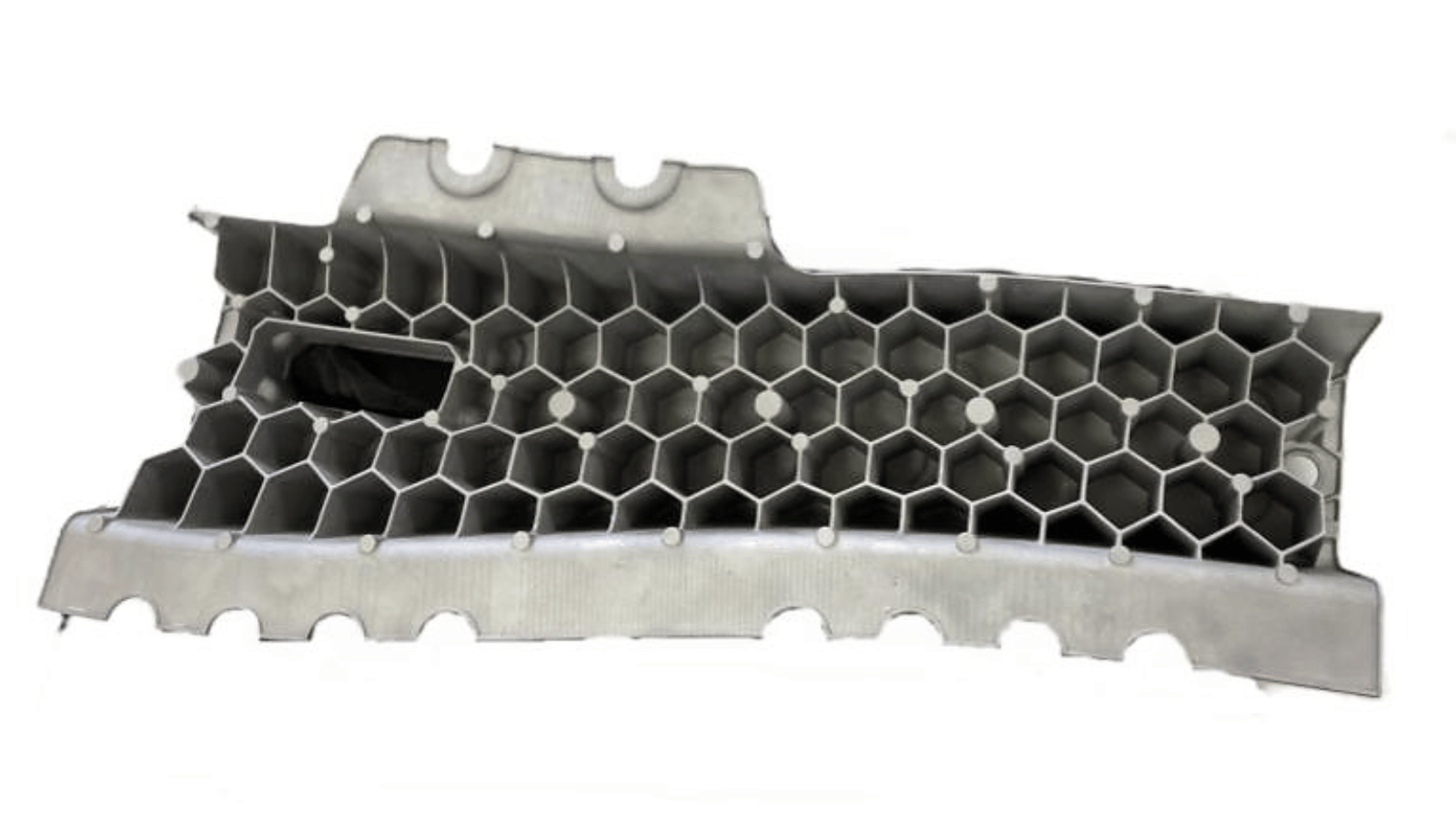
The Kimura Advanced Aluminum Casting platform entered a major international production cycle as casting innovator Kimura Group officially finalized the operational deployment of its Advanced Aluminum HQ Plant in Shizuoka, Japan. This high-capacity foundry site expands Kimura’s capabilities for manufacturing large, thin-wall structural aluminum components utilized heavily in rapid electric vehicle prototyping and low-volume automotive supply lines. By pairing low-pressure sand casting (LPSC) loops with automated V-Process vacuum molding systems, the Japanese industrial group intends to deliver the metallurgical properties of permanent high-pressure die casting while maintaining the swift setup speeds and low capital expenditure limits of sand fabrication patterns.
The corporate strategy behind the multi-tier plant execution directly targets the extreme tooling expenses, protracted design lead times, and financial capital risks that routinely bottleneck next-generation vehicle testing. Traditional automotive structural development forces automotive original equipment manufacturers (OEMs) to source expensive permanent steel dies months before a chassis geometry can be validated in crash and stress chambers, making design adjustments highly cost-prohibitive. Moving toward an agile sand-casting approach equipped with advanced, automated forming lines allows automotive engineering teams to compress initial prototyping milestones down to weeks, accelerating vehicular time-to-market metrics significantly.
The underlying manufacturing infrastructure unifies multi-sensor material management with flexible casting machinery configurations, maximizing part integrity across varying component footprints. The Shizuoka facility layers its core operations through advanced low-pressure casting furnaces possessing 200kg and 400kg molten metal capacities alongside a specialized, large-format T6 thermal furnace matrix. This specialized equipment combination enables the casting lines to sustain a minimum wall thickness threshold of just 2mm across large structural geometries, fulfilling a vital engineering prerequisite for modern, lightweight automotive frames and integrated megacasting sub-assemblies.
Bridging Prototyping and Production via Advanced Substrates
The implementation of the updated Shizuoka plant highlights a calculated structural transition within the international heavy manufacturing market, where advanced foundries integrate digital engineering workflows with traditional foundry materials. The platform’s proprietary heat-treatment recipes allow structural sand castings to achieve specialized tensile strengths and elongation profiles that directly mirror mass-production high-pressure die cast components. This material alignment allows automotive testing engineers to collect highly accurate field durability metrics from sand-molded prototypes, ensuring structural modifications map cleanly into high-volume factory lines later.
Enterprise supply directors, automotive procurement managers, and specialized structural engineers monitor these hybrid casting platforms to eliminate design-iteration drag and scale low-volume manufacturing lines without asset underutilization. When a vehicle developer relies on legacy prototype methods that compromise raw material densities or yield rough surface tolerances, initial simulation profiles routinely fail to correspond with factory-line reality. Supplying the transportation market with pre-validated, thin-wall castings ensures that structural elements perform predictably during early physical crash-test sequences, protecting underlying infrastructure capital.
The structural casting lineages accommodate extensive dimensional scaling parameters, managing heavy payload specifications smoothly through specialized aluminum alloy formulations. The internal production tracking software governs part densities, cool-down rates, and vacuum pressure variations to guarantee uniform dimensional stability across complex structural elements. This data-driven metallurgical control is explicitly reflected in the plant’s production configurations for high-stress automotive sub-assemblies.
Tooling-Free Die Cast Equivalency: By utilizing proprietary, multi-stage T6 heat-treatment recipes directly after sand mold separation, Kimura’s advanced aluminum platform elevates sand-cast mechanical integrity to cross the performance thresholds of high-pressure die casting, preventing micro-porosity without requiring million-dollar hard tooling.
The operational scaling and global client onboarding lines leverage Kimura’s international manufacturing presence, which bridges its historic 100-year Japanese heritage with regional production facilities like Kimura Foundry America located in Shelbyville, Indiana. The company’s international reach was further expanded through the strategic acquisition of VIP Tooling, enabling rapid tool-pattern integration and streamlined low-volume production transitions for global automotive supply networks. This integrated cross-border presence ensures that tier-one automotive developers can transition prototyping designs seamlessly into continuous low-volume part deliveries without localized supply disruptions.
Optimizing Vehicle Lifespans Through High-Density Gigacasting Workflows
The long-term commercial viability of centralized aluminum casting networks will ultimately rely on how successfully metallurgical engineering teams can adapt physical molding systems to satisfy the rapid weight-reduction mandates reshaping the electric mobility landscape. As multi-material vehicle platforms become standard architecture fixtures and large unified megacastings replace dozens of independent stamped sheet metal pieces, prototyping pipelines must support immense physical dimensions safely. The global operational expansion of the Kimura Advanced Aluminum HQ Plant establishes an advanced technological benchmark, proving a unified model where precision sand management and proprietary thermal recipes combine to drive advanced automotive logistics at scale.