Kensho LLM-ready API Integrates with Cohere North Platform
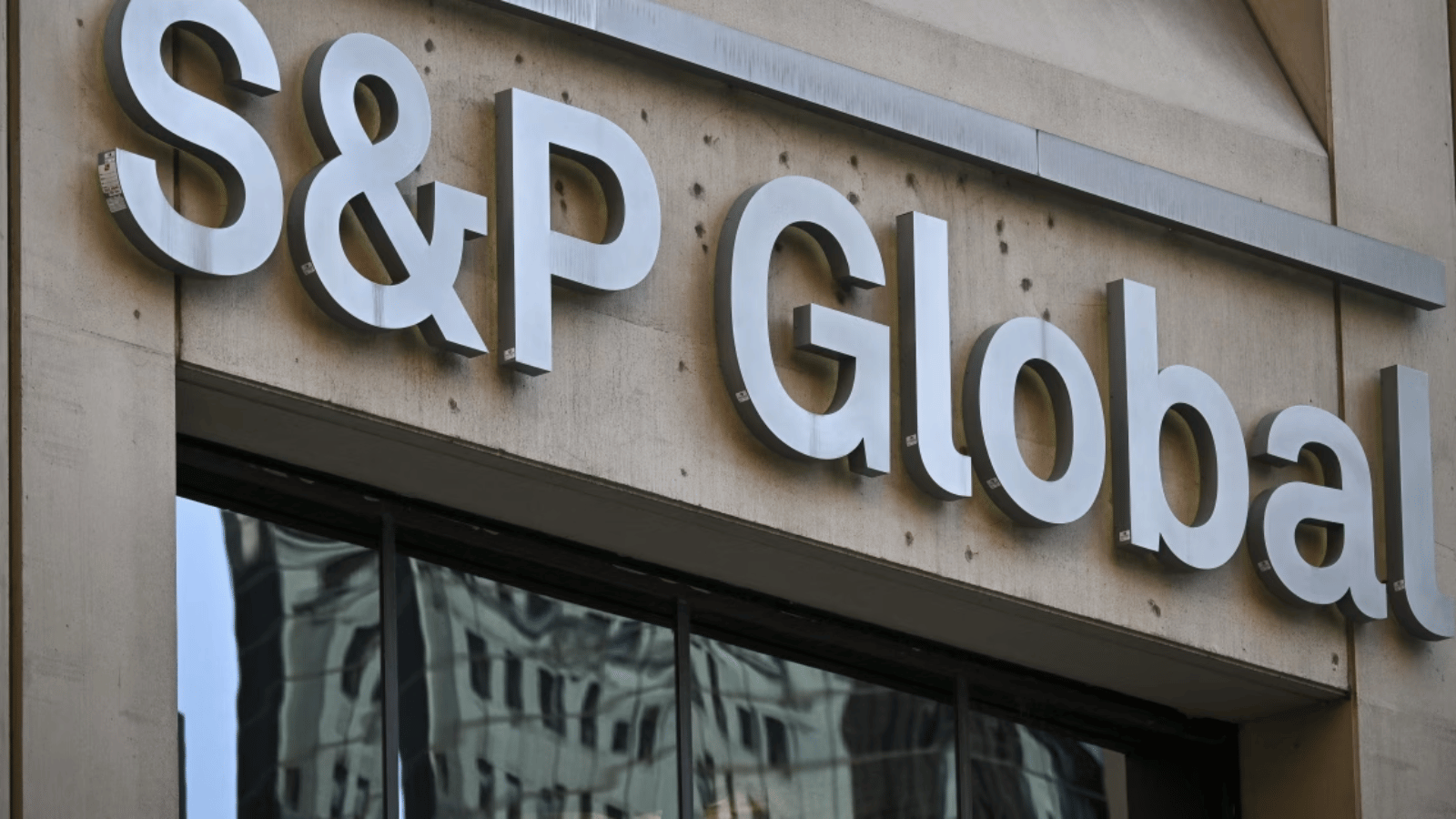
S&P Global has integrated the Kensho LLM-ready API with Cohere’s North platform to enable secure, citation-backed financial AI workflows.
Financial market data provider S&P Global has entered into a strategic collaboration with artificial intelligence firm Cohere to integrate its fundamental intelligence directly into an enterprise software platform named North. The agreement allows regulated corporate entities and financial institutions to access institutional data feeds within localized computing environments. The technical integration addresses a mounting demand among global banks and investment firms for computational data modeling systems that can process proprietary client records alongside authoritative public financial benchmarks without risking data exposure.
The structural arrangement allows corporate clients to execute complex analytical pipelines entirely on-premise or within isolated cloud networks. By embedding financial databases into the secure enterprise architecture, the system generates answers to complex capital markets queries while providing source-backed citations to verify accuracy. The programmatic deployment forms a key component of the broader data distribution strategy managed by the financial intelligence corporation, which aims to format its tabular datasets for immediate ingestion by diverse automated workflows.
The technical development of the integration was handled by Kensho, the specialized artificial intelligence and machine learning division of the financial provider. Kensho constructed the underlying data retrieval infrastructure to optimize traditional financial registries for automated function calling patterns. This specialized formatting removes the structural friction that historically required engineering teams to build custom data pipelines when connecting institutional data feeds to external software applications.
Kensho LLM-ready API Connects Financial Intelligence
The operational deployment utilizes the specialized Kensho LLM-ready API to translate raw corporate registries into formats compatible with advanced language models. Unlike conventional application programming interfaces that deliver rigid data blocks requiring extensive manual preprocessing, this computational layout features a simplified structure optimized for natural language interpretation. This design allows investment analysts and equity researchers to query historical financial statements, transactional records, and earnings call transcripts using standard financial shorthand.
The technical package includes dedicated software development kits and a standardized Python library to streamline credential authentication and model integration for enterprise developers. By minimizing the time required to format and clean incoming financial data, the system allows corporate technology buyers to deploy internal analytical tools rapidly. Financial professionals can use the integrated system to automate the initial drafting stages of investment pitch books, market positioning charts, and comprehensive equity research reports.
Managing Regulatory Compliance via Sovereign AI Models
Operating within highly regulated industries such as banking and insurance requires adherence to strict data privacy mandates that forbid the transmission of proprietary metrics to public servers. The utilization of a sovereign computing platform resolves this operational constraint by ensuring that sensitive internal data remains within the physical control of the institution. This computational boundary allows compliance officers to approve the adoption of automated text processing tools for sensitive workflows, including credit risk evaluation and private market asset valuations.
To ensure information fidelity during high volume research tasks, the integrated platform incorporates automated citation protocols that attach verified source links to every extracted data point. If an analyst requests a rolling historical comparison of corporate profit margins, the software provides the direct mathematical output alongside a traceable line back to the original public regulatory filing. This auditability layer mitigates the risk of software hallucinations, establishing a verifiable data trail that satisfies internal auditing standards.
Financial Technology and Institutional Data Market Context
The commercial partnership between S&P Global and Cohere arrives during an intense structural transition within the financial technology sector, where traditional database providers are actively racing to prevent their information architectures from becoming commoditized. As enterprise software applications become more reliant on automated digital workers, static financial terminals are no longer sufficient to meet the workflow speeds demanded by institutional investors. Delivering machine readable, validated data points directly into third-party execution layers has become a primary avenue for maintaining long-term market relevance.
For chief information officers and technology procurement managers at global investment banks, the capacity to combine internal enterprise data with trusted external benchmarks within a single security perimeter represents a significant reduction in development overhead. Historically, organizations had to maintain separate data warehouses for public market data and private client transactions, requiring complex synchronization scripts that were prone to breakage. Implementing a unified, language model-ready data layer allows corporations to run continuous automated tracking routines that monitor asset portfolios against changing macroeconomic indicators in real time.
The long term expansion strategy behind the collaboration centers on making institutional financial intelligence universally accessible across the diverse software environments favored by enterprise clients. By establishing a presence within sovereign data platforms, the corporate data provider creates an insulated ecosystem that can adapt to changing local computing regulations across North America, Europe, and Asia. This systematic method of provisioning structured data ensures that financial institutions can leverage automated analytical software to drive productivity gains while enforcing absolute confidentiality rules across their global computing infrastructure.
Source: PR Newswire