Kao Data Harlow Campus Selected for 22MW Nebius AI Deployment
Nebius has signed a 10-year, 22MW agreement with Kao Data Harlow to deploy advanced AI cloud infrastructure powered by renewable energy.
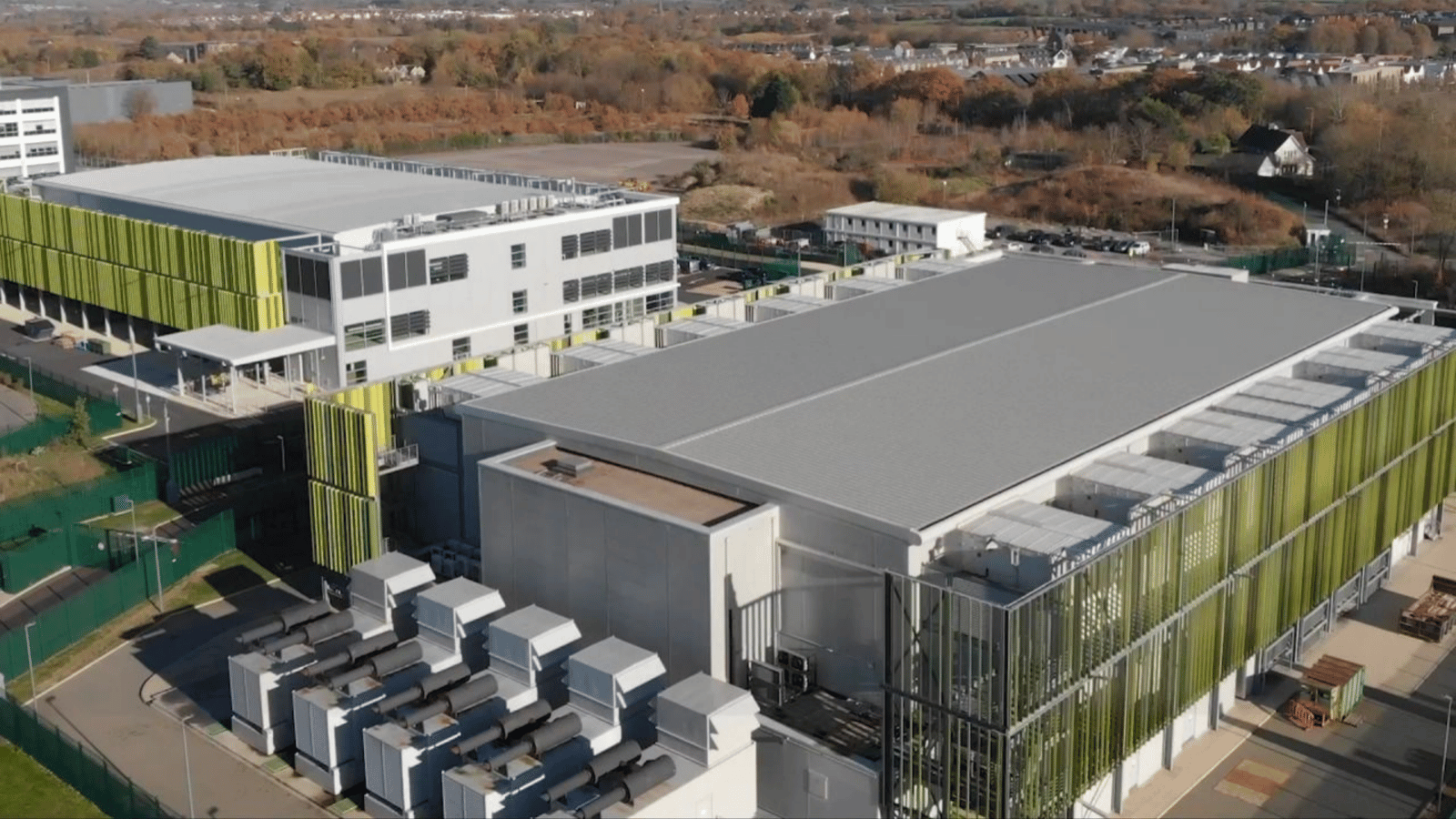
AI cloud provider Nebius has completed a long term agreement with data center specialist Kao Data to execute a multi megawatt computing infrastructure deployment at its Harlow campus. The twenty two megawatt contract spans a ten year operational timeline to distribute graphics processing unit capabilities directly to British research institutions and commercial enterprises. The infrastructure project establishes a centralized computing hub in eastern England to support high volume artificial intelligence training and production workloads.
The large scale technological integration aligns with broader public sector initiatives aimed at expanding domestic computational capacity through the state backed AI Opportunities Action Plan. By hosting hardware infrastructure within the specialized facility, Nebius will deploy its core cloud platform and managed inference services to support British software developers. The deployment forms the core infrastructure component of a broader one point seven billion pound investment strategy targeted at expanding regional technology networks.
The corporate strategy behind the ten year agreement prioritizes localized data governance and rapid data processing for European technology buyers. As regulatory environments place stricter limits on cross border data transfers, enterprise organizations require cloud infrastructure situated within domestic borders to maintain compliance. The facility serves as an infrastructure anchor for regional research communities, allowing academic institutions and life sciences corporations to execute complex data modeling projects without experiencing the transmission latencies associated with overseas server arrays.
Kao Data Harlow Campus Hosts Multi Megawatt Cluster
The physical architecture of the server deployment utilizes advanced cooling mechanics designed to address the severe thermal outputs generated by high density accelerator hardware. The server clusters are installed within specialized processing facilities equipped with direct to chip liquid cooling loops that isolate and remove heat without relying on traditional water intensive evaporation systems. This hardware layout ensures that the high output processing units can maintain stable operating frequencies during intensive machine learning execution cycles.
The underlying energy infrastructure supporting the twenty two megawatt footprint relies entirely on sustainable power distribution networks. The data center campus operates using one hundred percent renewable electricity contracts, supplemented by emergency backup generation units that run on hydrotreated vegetable oil rather than conventional diesel fuel. This environmental design framework allows enterprise cloud tenants to scale their technical operations while reducing the overall carbon intensity of their automated digital infrastructure pipelines.
Deploying Reference Platform Architecture for Enterprise Inference
The computational layout of the facility operates under the validation standards established by global semiconductor manufacturers. As a recognized reference platform cloud partner, Nebius constructs its hardware nodes to align with standardized enterprise machine learning templates, ensuring compatibility with major open source code repositories. A dedicated portion of the incoming processing capacity will host automated token processing systems, which allow digital enterprises to optimize and deploy large language models at commercial scale.
This centralized hardware configuration reduces the deployment complexities that frequently complicate internal machine learning initiatives for enterprise software buyers. Rather than purchasing and maintaining expensive internal server clusters, corporate technology teams can rent variable capacity through a managed cloud architecture that scales dynamically based on real time transactional volumes. This operational flexibility helps organizations minimize capital expenditures while maintaining the high throughput required for production grade client facing software applications.
High Performance Computing and Data Center Infrastructure Market Context
The commercial expansion between Nebius and Kao Data arrives during an acute shortage of specialized data center space across the European continent. The rapid adoption of automated data processing models has triggered an unprecedented surge in demand for power allocations capable of supporting heavy graphics processing unit configurations. Traditional multi tenant colocation facilities frequently lack the electrical infrastructure and specialized liquid cooling systems necessary to manage modern high density computer hardware.
For data center operators and international real estate investors, the capability to secure long term anchor tenants highlights the critical role of specialized infrastructure development in modern technology markets. Competing technology firms are actively racing to construct advanced facilities near major metropolitan centers to capture enterprise workloads. By expanding its operational footprint across multiple regional sites, including planned developments in West London and Greater Manchester, the infrastructure developer positions itself to underpin the long term computing demands of regional technology clusters.
The long term viability of the digital infrastructure network will depend on the capability of the facility operators to maintain continuous power delivery and grid stability amid expanding utility demands. Operating high volume computing clusters requires close coordination with national energy regulators and regional utility providers to secure adequate electrical infrastructure. The successful synchronization of sustainable power sourcing, advanced liquid cooling technology, and specialized semiconductor optimization provides a structured foundation as the data center provider expands its operational capacity to meet the evolving requirements of the international computing market.
Source: PR Newswire