Smart Mobility Framework Planned by FPT and ComfortDelGro
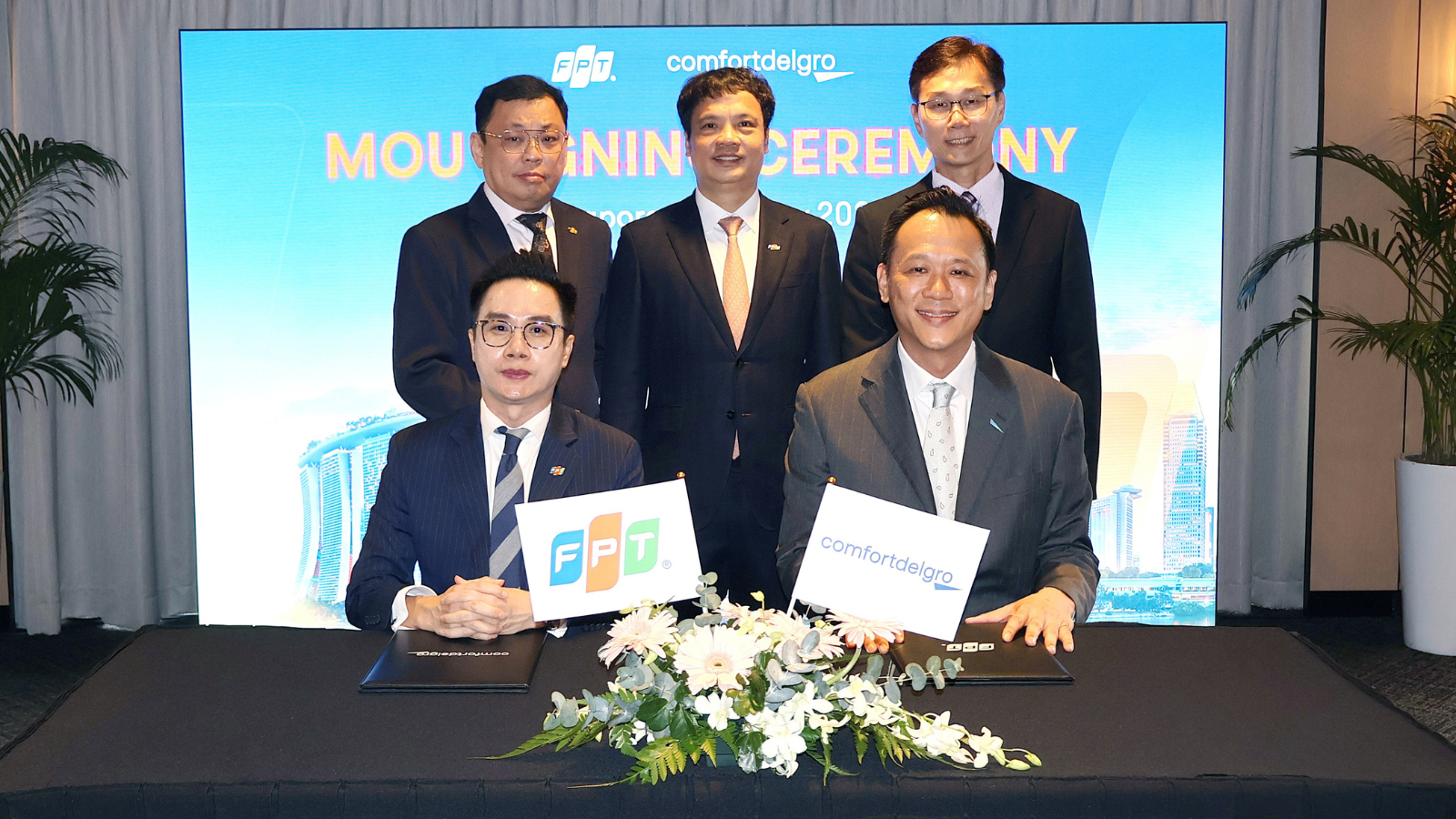
FPT and ComfortDelGro have signed an agreement to develop smart mobility solutions and automated transport systems across the Asia Pacific region.
FPT Corporation and multi-modal transport operator ComfortDelGro have signed a memorandum of understanding to jointly develop automated transit systems and intelligent logistics software across the Asia Pacific region. The agreement establishes a collaborative framework to integrate advanced data analytics into fleet management, predictive vehicle maintenance, and passenger service platforms. The strategic partnership reflects an accelerating push by regional transit conglomerates to modernize urban transit networks through computational data modeling and predictive scheduling.
The collaborative initiative focuses on deploying computational algorithms across the extensive public transit and taxi networks managed by ComfortDelGro. The companies plan to implement predictive asset tracking systems designed to identify mechanical wear in vehicles before failures occur, reducing maintenance overhead and service disruptions. The cross-border agreement was officially completed in Singapore during a diplomatic visit by Vietnamese state officials, highlighting the growing economic and technological ties between the two Southeast Asian nations.
The initial phase of the partnership centers on pilot projects aimed at improving routing efficiency and demand forecasting for regional supply chains. By combining the technical workforce of the Vietnamese information technology provider with the operational infrastructure of the Singaporean transit operator, the entities intend to build scalable software architectures for diverse transit environments. The joint development plan includes structured innovation workshops and technical knowledge exchanges to create shared data protocols for public and private transportation frameworks.
Smart Mobility Solutions Target Urban Transit Inefficiencies
The deployment of these automated management tools targets the operational challenges of urban density and fluctuating commuter volumes in major metropolitan areas. By utilizing real-time sensor data from connected vehicles, the proposed smart mobility platforms will dynamically adjust scheduling to match active passenger demand patterns. This automated routing approach allows transit networks to optimize fuel consumption and driver allocation, addressing structural inefficiencies that traditionally impact large scale multi-modal transport systems.
The software development strategy relies on centralized data clearinghouses capable of processing information from thousands of distinct transit nodes simultaneously. Engineers from both firms will cooperate to design consumer facing digital services that streamline route planning and ticketing for daily commuters. The integration of logistics optimization models is expected to improve freight distribution networks, allowing commercial transport fleets to navigate congested urban corridors with greater accuracy.
Technical Infrastructure and Engineering Distribution
The technological framework supporting the partnership utilizes a distributed network of engineering assets located across Southeast Asia and East Asia. The technology firm will deploy its specialized software engineering divisions to construct the underlying computational pipelines required for high volume telemetry analysis. This production model relies on dedicated data centers and software development facilities to maintain continuous code deployment and algorithm training.
The joint engineering teams will focus on creating standardized software modules that can be integrated into existing municipal transport applications. These systems are designed to operate independently of specific vehicle hardware, allowing transit authorities to update software configurations without replacing physical bus or taxi fleets. This hardware agnostic approach reduces the capital barriers traditionally associated with upgrading municipal infrastructure to modern digital standards.
Regional Transport Software Market Context
The agreement between FPT Corporation and ComfortDelGro arrives during a period of significant technological realignment within the global transportation sector. Municipal transit authorities and private fleet operators are increasingly moving away from legacy scheduling systems toward real-time, data-driven management utilities. Competing enterprise technology providers are actively racing to secure long-term contracts with established transit networks, which offer vast repositories of operational data necessary to refine predictive routing systems.
As regional transportation buyers face rising fuel costs and stricter environmental compliance mandates, the ability to maximize fleet utilization has become critical to maintaining profit margins. Uncoordinated dispatching and inefficient routing frequently lead to underutilized vehicle capacity, driving up operational costs for transit firms. Implementing a shared technological architecture allows multinational transport operators to establish uniform operational baselines across different geographic territories while reducing dependency on localized IT support structures.
The long-term value of the joint venture lies in its ability to generate an adaptable digital blueprint for smart mobility implementations throughout the Asia Pacific market. By accumulating and analyzing granular transit data from initial pilot projects in Singapore, the partners can refine their software models before marketing the applications to other growing municipalities. This gradual scaling strategy ensures that future urban transit deployments can minimize gridlock, lower resource waste, and maintain reliable service metrics across varying regulatory and economic landscapes.
Source: businesswire