Huawei Intelligent RAIL 2.0 Unveiled at InnoTrans to Upgrade Global Railway Intelligence
Telecommunications and enterprise technology provider Huawei has officially announced Huawei Intelligent RAIL 2.0. Introduced at the InnoTrans 2026 transport exhibition in Berlin Germany, the platform provides next generation digital capabilities designed to support multi scenario operations across the international rail sector.
News About Huawei Intelligent RAIL 2.0
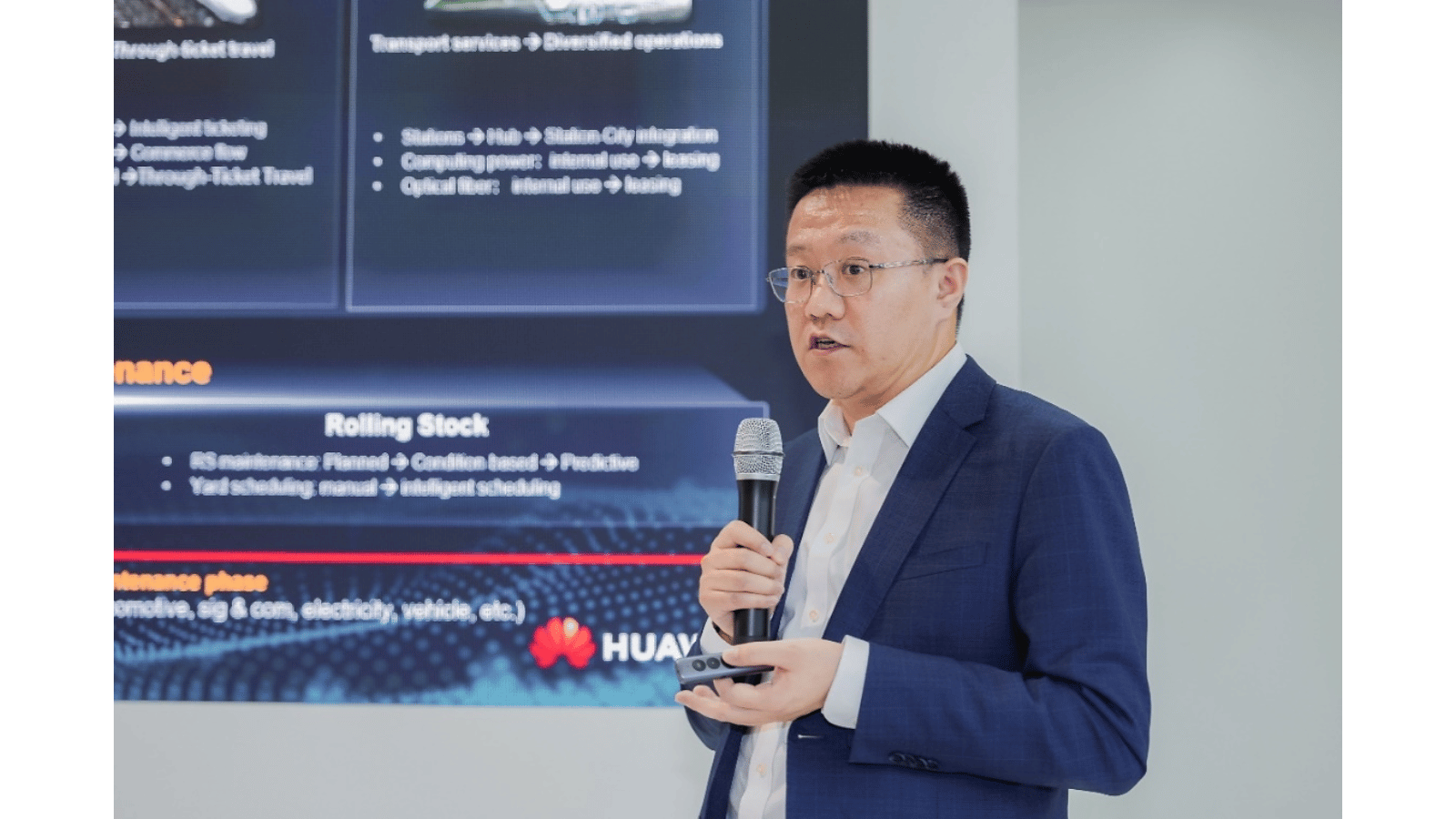
During the InnoTrans 2026 international trade fair, Huawei unveiled the global release of Huawei Intelligent RAIL 2.0. The launch gathered global rail operators, technical ecosystem partners, and international transport leadership including representatives from the International Union of Railways and the International Association of Public Transport.
The architecture introduces twenty scenario based technical solutions developed through joint innovation between Huawei and specialized application software partners. While Huawei provides underlying wireless connectivity and digital foundation platforms, specialized partners build custom industry applications tailored to specific operational needs. The deployment focuses on three primary operational domains.
- Rail Infrastructure Construction. Automated spatial planning, site monitoring, and digital engineering tools designed to enhance workforce safety and project delivery timelines.
- Passenger and Freight Transportation. Modernized multi modal logistics tracking systems alongside connected station services that provide seamless travel experiences for passengers.
- Facility and Equipment Maintenance. Sensor networks and machine learning models that transition rail systems away from manual servicing toward automated condition based predictive maintenance.
Announced under the direction of Raymond Zuo, President of Huawei Smart Rail Business Unit, the strategy aligns with core industry principles focusing on reliability, automation, integrated service delivery, and long term technological evolution. The announcement also highlights the international transit migration from legacy GSM R wireless communications to modern Future Railway Mobile Communication System protocols. To date, Huawei has deployed transit solutions across more than 50 major rail operators and over 300 urban metro lines, covering more than 180,000 kilometers of railway worldwide.
Significance of Huawei Intelligent RAIL 2.0
The introduction of Huawei Intelligent RAIL 2.0 is significant for global transportation authorities, logistics operators, and municipal transit agencies because international rail networks face escalating capacity demands, aging infrastructure, and complex decarbonization goals. Moving freight and commuters efficiently requires moving beyond isolated mechanical monitoring toward unified digital operating environments.
Legacy rail communication networks based on outdated narrow band standards struggle to accommodate real time high resolution video feeds, automated train control data, and high density track sensor telemetry. Migrating toward advanced broadband standards like FRMCS creates a high capacity wireless backbone capable of handling mission critical train signaling alongside automated diagnostic streams.
Furthermore, implementing predictive maintenance algorithms addresses one of the largest expenditure categories for railway operators. Traditional calendar based inspections require substantial manual labor and can overlook early subsurface component degradation. Continuous artificial intelligence monitoring of rolling stock bogies, overhead catenary lines, and track switches allows transit authorities to repair equipment before faults disrupt passenger schedules or cause freight derailments.
Next Steps for Huawei Intelligent RAIL 2.0
Following the formal unveiling in Berlin, Huawei will collaborate with international rail operators and system integrators to initiate commercial deployments of the twenty modular solutions. Technical field teams will support initial pilot migrations to FRMCS wireless standards across high speed passenger rail corridors and heavy haul freight corridors.
Looking ahead, Huawei plans to deepen joint engineering research with international transport bodies including the International Union of Railways and the International Association of Public Transport. Platform developers will continue expanding cloud platform APIs, refining multimodal logistics tracking algorithms, and accelerating artificial intelligence standardization across global rail transportation networks.