Block Blast Launches Massive Summer Marketing Campaign
The mobile puzzle developer partners with TikTok to anchor its flagship application within summer travel routes and sports culture events.
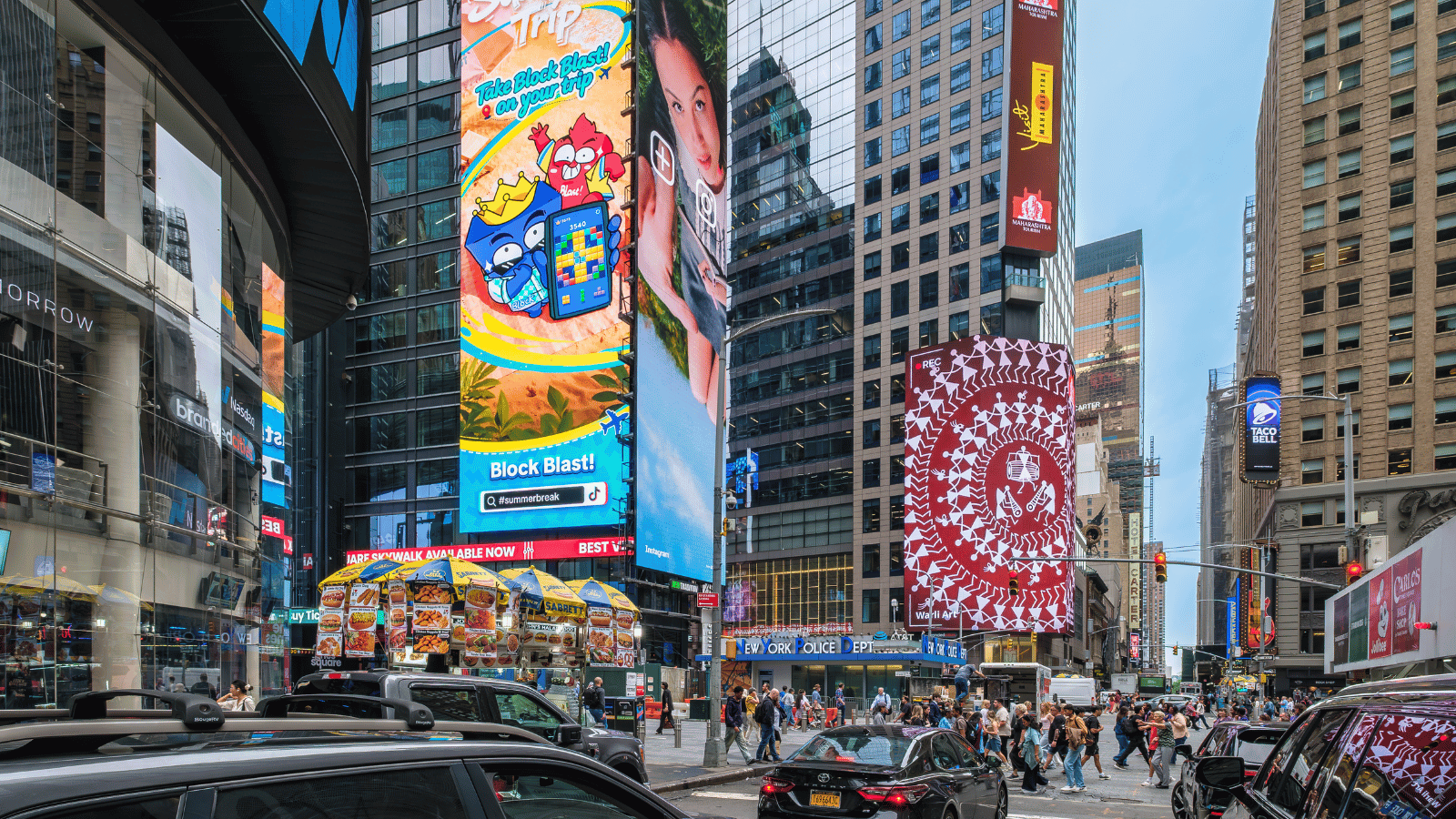
Mobile gaming company Hungry Studio expanded its domestic outreach strategy today by launching an extensive physical marketing campaign for its flagship puzzle application, Block Blast, across several high traffic commercial districts and transit centers in the United States. The promotional push places the digital title into major pedestrian corridors, including Grand Central Terminal, the New York City subway infrastructure, and prominent entertainment areas throughout Las Vegas. Developed as a casual entertainment title, the application is attempting to convert seasonal commuter traffic and tourism surges into sustained user acquisition by establishing visibility outside conventional digital storefronts.
The corporate strategy behind the physical deployment relies heavily on a structured content partnership with social media platform TikTok, tying the casual title to broad seasonal consumer activities. The software appeared as a core component of digital campaigns focused on summer travel themes at One Times Square and along Broadway, followed by integrations with athletic media programs timed alongside the major summer sports calendar. By embedding the brand into physical transit environments where consumers naturally experience brief intervals of downtime, the publisher aims to capture casual demographics that typically bypass core gaming advertisements.
United States consumers represent a critical source of high value recurring revenue for international mobile publishers, making localized engagement strategies vital for maintaining market position. The domestic expansion is designed to convert high public visibility into active daily use by appealing to commuters looking for accessible entertainment during daily travel. Hungry Studio executives indicated that localizing the brand presence within metropolitan transit flows allows the company to transition from aggressive online advertising toward community focused brand awareness.
Physical Advertising Models In Global Mobile Gaming
The choice to deploy large scale physical installations signals a tactical shift among top tier mobile software developers navigating increasingly saturated digital marketing channels. As privacy regulations adjust and online user acquisition expenses continue to climb across major mobile operating systems, publishers are forced to diversify their promotional budgets into traditional out of home advertising venues. This trend is particularly evident among casual software titles that require a massive volume of active users to support ad supported business models.
Corporate tech buyers and brand managers tracking the mobile entertainment sector monitor these physical installations to evaluate how digital brands scale beyond application storefronts. Establishing a physical footprint in major financial and tourism hubs allows a mobile developer to validate its market presence to potential corporate partners and advertising networks. For a casual title dependent on high volume engagement, visible placement in metropolitan hubs acts as a mechanism to reinforce brand familiarity and lower organic user acquisition costs over the long term.
The operational scale of the campaign reflects the substantial resources required to maintain a leading position in the global casual gaming sector. Hungry Studio has previously deployed similar regional campaigns in international markets, including recent physical event sponsorships in Southeast Asia, to stabilize its global audience footprint. These coordinated real world campaigns provide a buffer against fluctuating digital advertising rates, ensuring a steady influx of new users through cross channel brand recognition.
User Retention Metrics And Casual Software Monetization
Maintaining a high volume of active installations is essential for casual gaming software, where monetization models rely heavily on programmatic in-app advertisements and small scale digital transactions. The simplicity of the mechanics allows the software to appeal to broad age demographics, but it also exposes the title to intense competition from rival puzzle applications. Consequently, sustained corporate growth requires continuous marketing investments to offset natural user churn and maintain consistent ad impression rates for marketing partners.
Third party industry analytics indicate that the puzzle software captured significant market share over the past year, achieving prominent global download rankings within the free mobile software category. Navigating the highly competitive digital entertainment landscape demands that publishers constantly find novel ways to integrate their products into daily consumer routines. The current emphasis on transit centers and travel hubs directly targets consumers during peak periods of media consumption, ensuring the application remains top of mind when users seek immediate entertainment.
As the summer travel period progresses, the success of the multi city marketing initiative will be evaluated by its ability to stabilize long term player engagement metrics in competitive regional markets. The collaboration with global social media platforms highlights the growing interdependence between short form digital content creators and mobile application developers looking to maximize cross platform reach. The overarching goal remains the transformation of temporary seasonal visibility into a permanent, self sustaining consumer habit across the domestic user base.