
SkyVolt Energy Strategic Framework Drives AI Power
The SkyVolt Energy Strategic Framework launches an infrastructure partnership with Nodiac to deploy modular data centers directly at renewable energy sites.
The SkyVolt Energy Strategic Framework expanded its operational footprint within the industrial power sector on Thursday as North American renewable utility developer SkyVolt Energy finalized a collaborative manufacturing and land use agreement with data center infrastructure provider Nodiac. The transactional outline establishes a formal evaluation process to deploy modular processing facilities directly adjacent to solar installations, wind farms, and utility scale battery storage stations across the United States. Financial structures for individual properties will be settled through subsequent site specific contracts, but the overarching protocol establishes an integrated distribution methodology designed to link wholesale electrical generation directly with high density computing consumer units.
By grounding the SkyVolt Energy Strategic Framework within active infrastructure pipelines, the joint ventures intend to bypass the transmission bottlenecks that frequently delay conventional power grid connections. The engineering strategy concentrates on matching localized energy production with modular computational enclosures, enabling data center operators to secure reliable power inputs without competing for strained regional grid capacity. The preliminary transaction occurs during a high demand cycle for processing infrastructure, driven by the rapid expansion of multi-modal computing tools and automated business analytics networks that require extensive, continuous electrical resources.
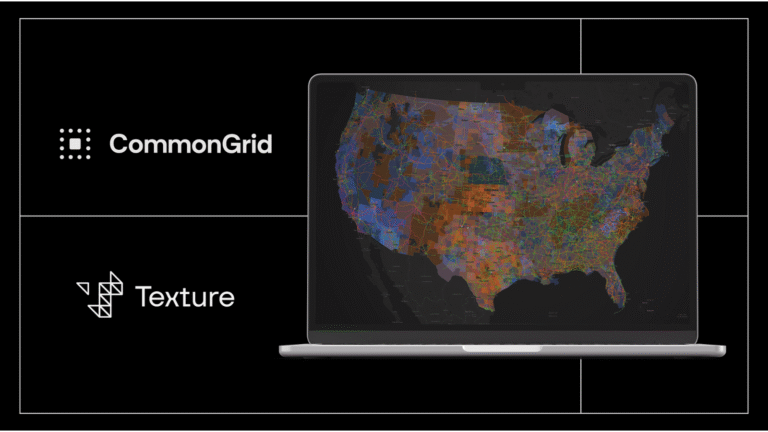
The operational baseline of the power integration project relies on a systematic evaluation sequence managed through an automated land assessment platform. SkyVolt Energy will transfer historical geospatial data, environmental reports, and local power generation logs from its North American property portfolio into specialized screening databases operated by the infrastructure provider. The technical sorting protocol isolates locations that possess optimal atmospheric conditions, secure geographical boundaries, and high baseline power capacities, ensuring that deployed computing pods remain protected against localized weather volatility and transmission disruptions.
Diversifying Offtake Models via the SkyVolt Energy Strategic Framework
The adoption of the SkyVolt Energy Strategic Framework reflects a broader structural transition within the international utility market, where renewable energy companies are exploring non traditional offtake structures to maximize asset returns. Historically, solar and wind farm developers depended entirely on long term power purchase agreements with regional public utilities or multinational corporate consumers to guarantee project financing. Introducing on site computational payloads provides developers with an alternative consumption layer, allowing project managers to monetize electrical capacity directly at the generation source.
Enterprise technology procurement directors and infrastructure investors monitor these localized power generation strategies to secure predictable long term operating costs for large scale computing networks. When a data processing center relies completely on traditional municipal grids, the operation remains vulnerable to seasonal pricing spikes, grid congestion fees, and shifting regional carbon compliance mandates. Implementing a direct, co-located generation link allows computing companies to stabilize their energy expenses while verifying that their computing tasks run entirely on sustainable regional infrastructure.
The underlying technical coordination demands deep alignment between high voltage utility engineers and data center systems administrators to ensure operational safety. Traditional battery energy storage systems are configured to stabilize local grid frequencies, discharging accumulated power during peak commercial consumption windows. Integrating localized data centers requires the development of adaptive power management systems capable of shifting computing workloads in real time, matching the natural fluctuations of wind and solar production lines without degrading hardware performance.
Accelerating Deployment Timelines through the SkyVolt Energy Strategic Framework
The administrative management of these co-located properties is structured to reduce the extended permitting timelines that typically stall large scale industrial real estate developments. Because modular computing pods utilize compact physical footprints and do not demand heavy municipal water or sewage connections, project teams can frequently secure local construction clearances much faster than traditional warehouse data centers. This structural agility allows technology companies to deploy new capacity within compressed corporate execution windows, matching immediate market demands.
Balancing Power Delivery Across North American Utility Networks
The long term commercial viability of co-located utility networks will ultimately depend on how efficiently project managers can manage regional regulatory variations across separate electrical jurisdictions. Energy analysts realize that local grid interconnection rules and wholesale power pricing structures vary significantly between separate states and regional transmission operators. Providing infrastructure developers with an integrated software suite to track these regional differences helps ensure that high capital investments are directed exclusively toward properties with the highest long term financial viability.
The broader business community views the convergence of renewable generation and digital processing infrastructure as a necessary evolution to support the expanding digital economy. As computational processing demands outpace traditional infrastructure capacity, the utility sector must innovate its distribution models to prevent widespread energy shortages. The structured implementation of integrated power to load networks highlights a definitive shift toward distributed, resilient corporate utility architectures that combine heavy industrial engineering with modern cloud data systems.