BAE Systems Cold Weather All-Terrain Vehicle Delivered
BAE Systems delivers 19 Cold Weather All-Terrain Vehicles (CATVs) to the U.S. military, supporting Army National Guard modernization goals.
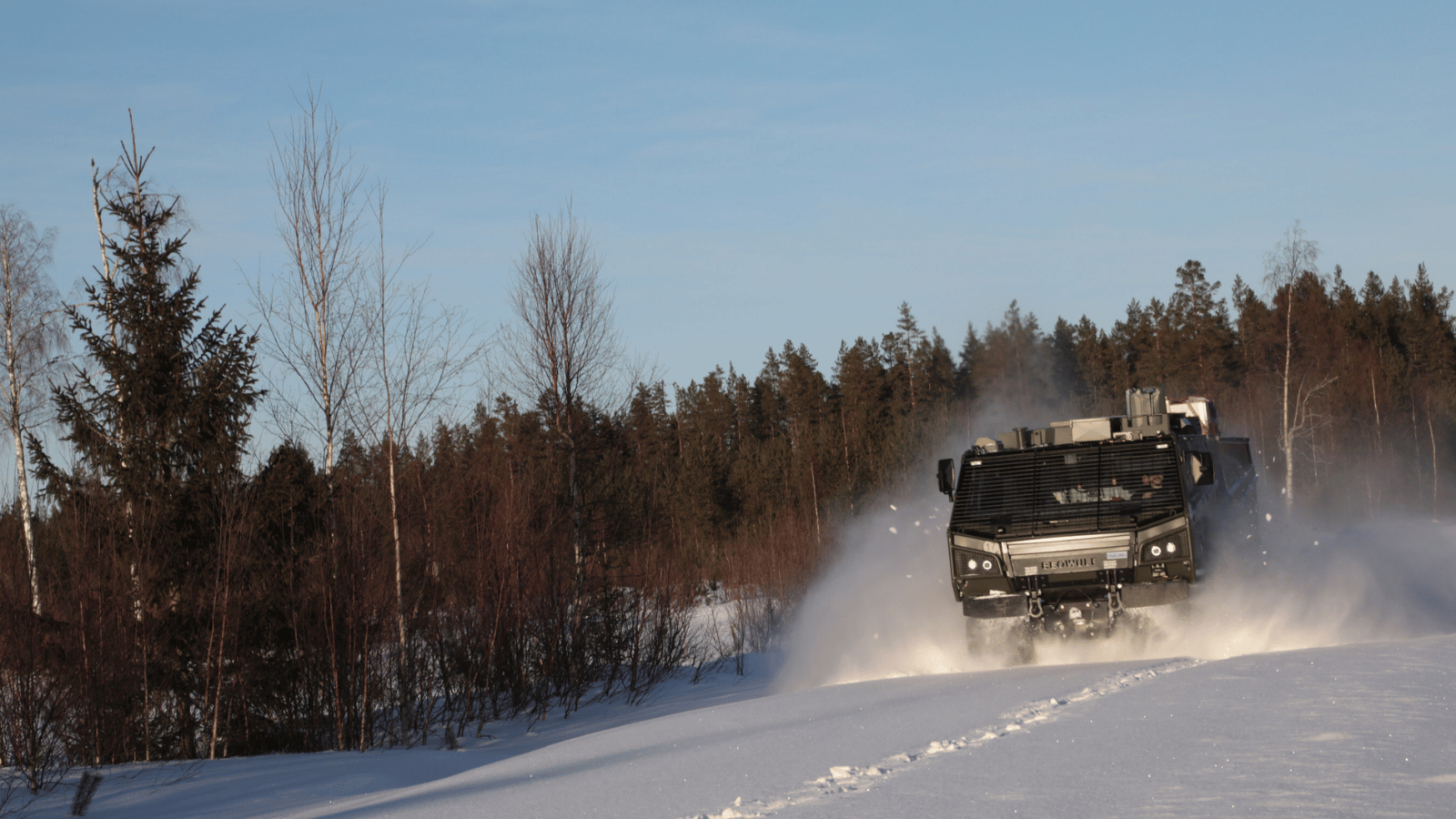
The BAE Systems Cold Weather All-Terrain Vehicle (CATV) platform achieved a significant integration milestone on Thursday as international aerospace and defense contractor BAE Systems, Inc. finalized the tactical delivery of 19 specialized multi-cabin tracked vehicles to the United States military. The deployment partitions hardware across key cold-weather command nodes, including the Army National Guard’s Mountain Warfare School in Vermont, the Arctic Region Test Center in Alaska, and the 11th Airborne Division. By supplying a ready-made, highly maneuverable logistics medium engineered specifically to traverse deep snow, muskeg, and sub-zero grades, the defense manufacturer intends to help public security sectors transition away from aging, legacy utility transports toward a unified and modernized arctic mobility fabric.
The procurement strategy behind the continuous vehicle delivery addresses the extreme environmental vulnerabilities and systemic logistical bottlenecks that traditionally compromise high-latitude defense maneuvers. Operations within sub-zero geocentric zones place immense mechanical strain on standard wheeled transport lines, routinely inducing engine failures, track separations, and total mobility freezing across remote mountain corridors. Replacing fragmented, legacy over-snow vehicles with a standardized, dual-cabin amphibious platform grants regional defense units total capability to move heavy personnel squads and technical assets rapidly across highly unpredictable terrains, protecting sovereign operational readiness.
The underlying engineering configuration utilizes an articulated, two-cabin design driven by a continuous heavy-duty rubber track matrix to optimize weight distribution and maintain a low ground pressure profile. Manufactured via BAE Systems’ Hägglunds subsidiary, the vehicle—internally designated as the Beowulf platform—leverages a robust mechanical steering link connecting the front and rear cabins, allowing the assembly to navigate vertical obstacles and deep crevasse fields smoothly. This structural flexibility ensures that even when the primary cabin enters steep alpine pitches or icy marshlands, the trailing cargo unit maintains tractive stability, preserving continuous forward momentum.
Enhancing High-Latitude Mobility via the BAE Systems CATV Architecture
The delivery of this latest batch of 19 units brings the active fleet volume to 58 operational vehicles, marking a calculated progression toward the U.S. Army’s long-term procurement objective of 487 total platforms. The overarching system architecture focuses on delivering true multi-mission flexibility, enabling individual units to be reconfigured rapidly in the field from basic personnel transport variants to specialized mobile command posts, medical evacuation cells, or tactical cargo carriers. Implementing an open-architecture cabin floor layout simplifies the installation of ruggedized satellite arrays, encrypted communications boxes, and digital tracking networks natively within the heated interior hulls.
Military infrastructure planners, logistics procurement officers, and state defense coordinators track these mechanized equipment rollouts to ensure that local units retain complete search-and-rescue and defense execution capabilities during catastrophic winter climate events. Sourcing fully warrantied, factory-standard hardware setups ensures that field maintenance crews can access uniform replacement parts and standardized technical documentation across separate domestic bases, eliminating the costly custom machining lines that historically complicated unique military fleet upkeep.
Articulated Terrain Adaptability: The dual-cabin configuration of the BAE Systems CATV distributes vehicular payload weight evenly across four independent, continuous rubber track assemblies. This specialized footprint allows the heavy machine to float effortlessly atop loose powder snow and swampy arctic tundra without sinking or losing tractive control.
The data management and driver interface frameworks prioritize intuitive operational control and rapid crew onboarding, pairing robust physical steering joysticks with integrated digital diagnostic screens that continuously monitor vital engine fluid metrics and track tension levels. This software-driven onboard telemetry system alerts vehicle operators the moment a specific mechanical node registers abnormal temperature fluctuations or hydraulic fluid depletion, enabling preventative adjustments before field components suffer systemic failures. Providing localized national guard schools with comprehensive technical training and hands-on maintenance programs ensures seamless asset integration into active operational schedules.
Streamlining Allied Operations Through Certified Arctic Maintenance Nodes
The operational maintenance and lifecycle engineering of the expanding high-mobility fleet are managed across dedicated military support locations, including Joint Base Elmendorf-Richardson and Fort Wainwright in Alaska. By locating specialized technical support centers directly within high-latitude test zones, the defense prime accelerates real-world performance data harvesting and shortens engineering modification cycles. This localized sustainment architecture allows BAE Systems to continuously refine track compound formulations and electrical heating loops based on active field metrics, optimizing the platform’s long-term operational availability.
Securing Northern Borders via Resilient Tactical Transport Networks
The long-term strategic utility of specialized arctic combat platforms will ultimately depend on how successfully defense prime contractors can deliver reliable mechanical survival metrics without creating unsustainable maintenance burdens for field units. As global nations increasingly focus on securing strategic northern trade routes and cold-weather resource corridors encounter escalating geopolitical interest, the reliance on self-contained, high-mobility transport hardware will continue to dictate defense budget priorities. The systematic scaling of the BAE Systems CATV program highlights a calculated industrial response, demonstrating a unified model where heavy material science and articulated track engineering combine to safeguard public defense forces across the world’s most unforgiving climates.