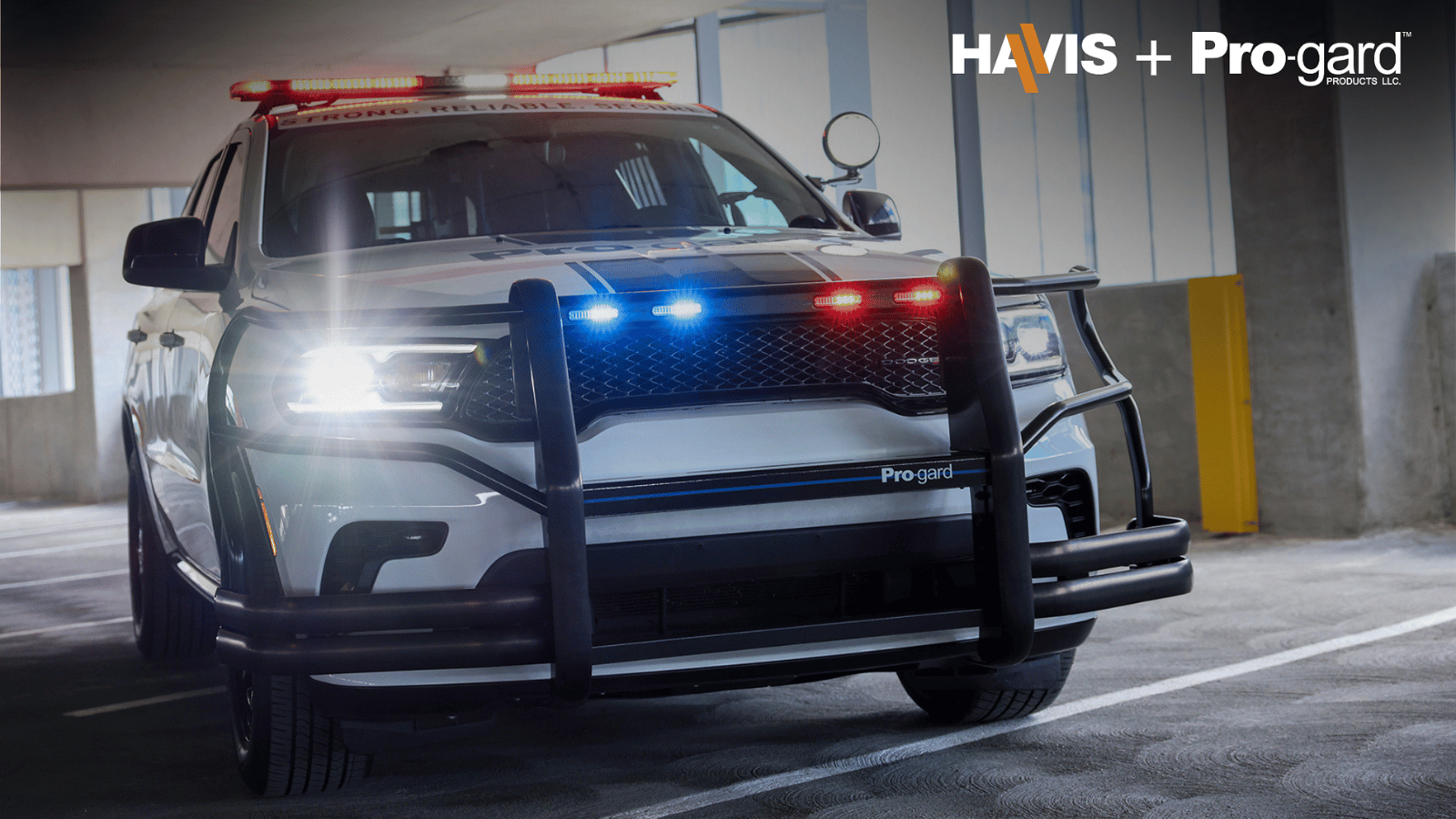
Havis Public Safety Vehicle Platform Acquires Pro-gard Products
Havis, Inc. expands its public safety vehicle platform by acquiring Pro-gard Products, combining computing mount systems with prisoner transport suites.
The Havis Public Safety Vehicle Platform entered a major structural consolidation cycle on Wednesday as mission-critical equipment provider Havis, Inc. announced its official acquisition of law enforcement hardware manufacturer Pro-gard Products. The strategic transaction unifies two prominent engineering brands within the emergency response and public safety supply chains, merging Pro-gard’s extensive vehicle protection and occupant containment portfolios directly into Havis’ centralized industrial matrix. By combining physical docking stations, electronic consoles, and power distribution modules with specialized prisoner transport cells, structural partitions, and exterior vehicle shields, the merged entity intends to function as a single-source upfitting provider for national law enforcement fleets, distributors, and automotive original equipment manufacturers (OEMs).
The corporate strategy behind the industrial acquisition targets the mounting procurement friction and complex coordination hurdles that frequently complicate emergency fleet modernization. Modern police interceptors and tactical support units are no longer just basic transport vehicles; they function as sophisticated, technology-enabled mobile command centers crammed with rugged computers, digital radios, automated license plate readers, and secondary battery systems. Sourcing vehicle components from separate, non-integrated suppliers often forces upfitters to modify mounting plates and electrical routing systems manually in the field, generating assembly variances, delayed fleet deployment schedules, and elevated labor expenses.
The underlying manufacturing configuration focuses on building pre-engineered, drop-in hardware kits that fit perfectly inside standard patrol vehicle chassis from major automotive brands. The integrated product design links Havis’ heavy-duty center consoles and computing mounts directly to Pro-gard’s high-strength security barriers, maximizing interior space and ergonomics for front-seat operators. Utilizing high-impact polycarbonate materials and aviation-grade aluminum frames ensures that the internal vehicle barriers deliver absolute prisoner containment and officer isolation while maintaining structural integrity during high-speed tactical responses or collision events.
Optimizing Tactical Workspaces via the Consolidated Havis Vehicle Platform
The integration of the two historical hardware lines reflects an ongoing operational transition within the public safety infrastructure sector, where fleet managers move away from fragmented equipment shopping to seek unified, turn-key vehicle platforms. The combined entity leverages over 135 years of combined manufacturing experience—combining Havis’ foundation since 1927 with Pro-gard’s footprint since 1968—to standardize global fleet architectures. This comprehensive component alignment enables municipal procurement departments to order fully verified cabin configurations that assemble smoothly, reducing mechanical troubleshooting lines at regional upfitting facilities.
Enterprise public safety directors, city managers, and state transport commissioners monitor these industrial acquisitions to secure long-term component availability and enforce uniform safety metrics across extensive government asset pools. When an emergency services department deploys vehicle fleets with unmatched components, the lack of a standardized engineering blueprint can result in erratic wire routing, loose hardware mountings, and accelerated battery drain from poorly managed in-car electronics. Implementing fully synchronized interior platforms ensures that vehicle cabins remain secure and organized, protecting both personnel safety and the residual value of municipal transport assets.
Unified Fleet Infrastructure: The acquisition enables Havis to distribute fully synchronized, cross-verified cabin configurations directly to emergency vehicle upfitters, ensuring that interior security barriers, automated weapon racks, and mobile data terminals lock together seamlessly using standardized factory mounting points.
The technical development roadmap coordinates closely with major consumer and commercial electronics providers, manufacturing dedicated docking systems optimized for rugged field tablets like the Panasonic TOUGHBOOK and Getac mobile platforms. The internal power-management hubs feature automated low-voltage disconnect circuits that continuously monitor the interceptor’s primary electrical system, automatically shutting off non-essential computing peripherals before battery depletion strands a field officer. This intelligent power throttling protects communication continuity, allowing patrol units to remain connected to centralized dispatch centers during prolonged stationary monitoring operations.
Streamlining Procurement Channels through Global Distributor Networks
The operational onboarding of new municipal accounts and automotive dealer arrays leverages Havis’ established multi-tier distribution footprint across domestic and international markets. By supplying global distributor networks and regional upfitting houses with pre-packaged, model-specific vehicle modification bundles, the company simplifies complex fleet refresh operations. Providing fleet maintenance managers with standardized component tracking numbers and unified warranty service portals helps municipalities accelerate their ongoing vehicle replacement cycles, reducing out-of-service operational drag.
Securing Operational Readiness inside Evolving Fleet Environments
The long-term commercial viability of specialized transport platforms will ultimately rely on how successfully engineering teams can adapt physical cabin layouts to accommodate the expanding footprint of modern digital enforcement tools. As public safety agencies deploy more advanced camera networks, mobile biometrics readers, and tactical communications gear, interior real estate inside standard police cruisers will become increasingly constrained. The consolidation of Pro-gard into the Havis vehicle solutions ecosystem highlights a calculated industry transition, demonstrating an advanced production model where structural protection and computing integration merge to safeguard field personnel and maximize asset utility globally.