Amcor AmFiber Platform Integrates Seaweed Coating Tech
Packaging leader Amcor partners with startup Kelpi to explore seaweed-based barrier coatings for its Amcor AmFiber recyclable paper platform.
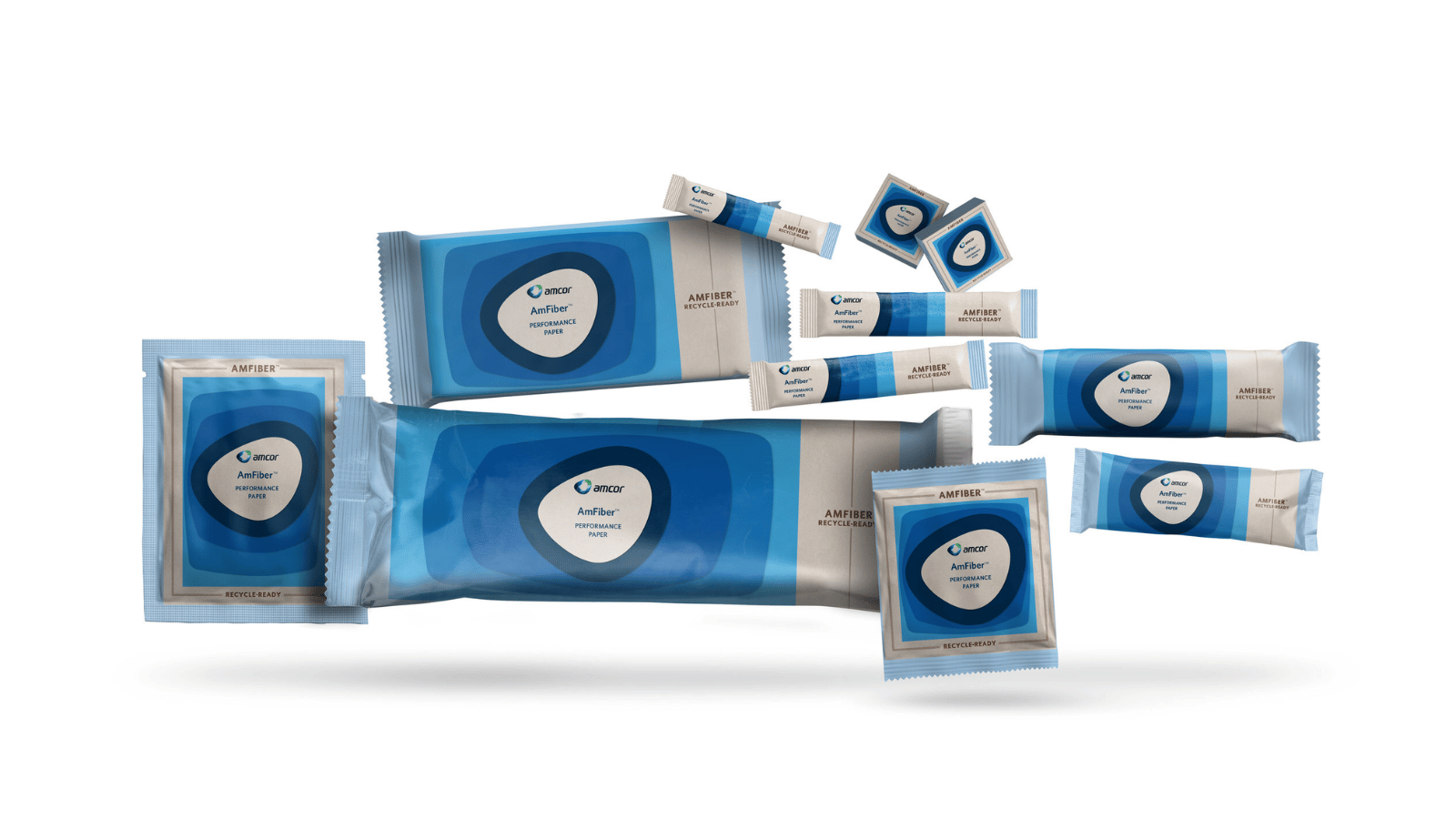
The Amcor AmFiber platform expanded its structural biomaterial portfolio on Monday as international consumer packaging developer Amcor finalized a joint research and development agreement with United Kingdom-based materials startup Kelpi. The technical collaboration integrates Kelpi’s proprietary seaweed-derived carbohydrate chemistry into Amcor’s specialized paper-based packaging infrastructure to create next-generation flexible barriers. By replacing fossil-fuel-derived polymer sheets with an ultra-thin, plant-based protective coating, the multinational manufacturing group intends to deliver high-performance grease, oxygen, and liquid safeguards that remain fully repulpable within standard curbside municipal paper recycling streams.
The corporate strategy behind the open innovation partnership addresses the severe regulatory liabilities and environmental penalties that increasingly challenge the global fast-moving consumer goods (FMCG) market. Under pressure from upcoming Extended Producer Responsibility (EPR) mandates and international plastic taxes, global food, beauty, and health brands must transition away from multi-layer plastic laminates. Utilizing a functional, nature-sourced coating allows consumer brands to switch from flexible plastics to paper-based pouch or sachet form factors without compromising product shelf life or causing machinery processing bottlenecks.
The underlying technology configuration focuses on applying an ultra-thin, occlusive layer—measuring as thin as 0.01 millimeters—directly onto raw fiber and cardboard substrates. Developed utilizing sustainably farmed seaweed that requires no freshwater, arable land, or chemical fertilizers, the bio-based polymer functionalizes natural marine carbohydrates to match the performance of traditional petroleum plastics. The resulting hybrid fiber material achieves a water vapor transmission rate (WVTR) of less than 2 $g/m^2/d$ alongside high oxygen resistance, preventing moisture ingress and structural dampening in demanding storage environments.
Eliminating Plastic Laminates via the Amcor AmFiber Ecosystem
The implementation of the Kelpi coating technology marks a calculated expansion of Amcor’s established fiber solutions framework, aligning with the Ellen MacArthur Foundation’s global directives to eliminate small-format flexible plastic pollution. Traditional high-barrier papers frequently rely on a thin backing of plastic film or poly-vinylidene chloride (PVDC) to repel oils and moisture, an arrangement that permanently contaminates paper mills and renders the packaging unrecyclable. Transitioning to a completely biogenic carbon coating ensures that the package degrades naturally without leaving behind persistent toxic residues or microplastics, sustaining true circular economies.
Enterprise procurement directors and supply chain sustainability managers monitor these bio-derived material integrations to protect high-volume consumer product lines from shifting international carbon accounting rules. When a food or personal care enterprise deploys standard multi-layer sachets, the structural complexity of separating plastic from paper layers leads to low recycling yield metrics and high waste footprints. Implementing pre-validated, certified repulpable fiber barriers enables corporate packaging lines to bypass heavy plastic disposal taxes, optimizing overall retail distribution costs.
The data routing and material processing pipelines are engineered to preserve high runtime execution speeds across automated industrial packaging lines, supporting both vertical and horizontal form-fill-seal (VFFS/HFFS) manufacturing methods. Traditional bioplastics often experience structural tearing or seal failures when run through high-speed commercial winding cylinders, necessitating expensive machinery modifications. The specialized seaweed-and-vegetable-oil formulation retains excellent thermal heat-sealability and structural elasticity, enabling a drop-in transition that preserves active factory throughput metrics.
Streamlining Open Innovation through Corporate Venturing Pathways
The operational vetting of the clean technology platform is directed by Amcor’s Corporate Venturing and Open Innovation division, which functions to transition laboratory-scale material breakthroughs into scaled industrial applications. By backing regional research-driven startups with Amcor’s extensive analytical laboratories, regulatory compliance teams, and multi-national supply chains, the company compresses the time-to-market for novel biomaterials. This global incubation model allows international consumer brands to access verified, scaled alternatives to plastic barrier packaging across more than 40 countries simultaneously.
Maximizing Resource Efficiency via Rapid-Growth Marine Feedstocks
The long-term commercial viability of bio-based flexible packaging depends heavily on avoiding structural competition with global agricultural food supplies for land and water resources. Material scientists favor marine seaweed as an industrial feedstock because it grows up to ten times faster than land-based crops while actively sequestering up to twenty times more carbon per acre than terrestrial forests. The systematic expansion of the Amcor AmFiber platform highlights a definitive industry transition away from finite, fossil-fueled polymers toward autonomous, self-renewing marine resources that protect global ecosystems while maintaining rigid commercial utility standards.