Huawei Luterra Storage Infrastructure Platform Launches
Huawei Digital Power launches the Huawei Luterra next-generation Smart String energy storage platform featuring a 1000V AC architecture and grid-forming tech.
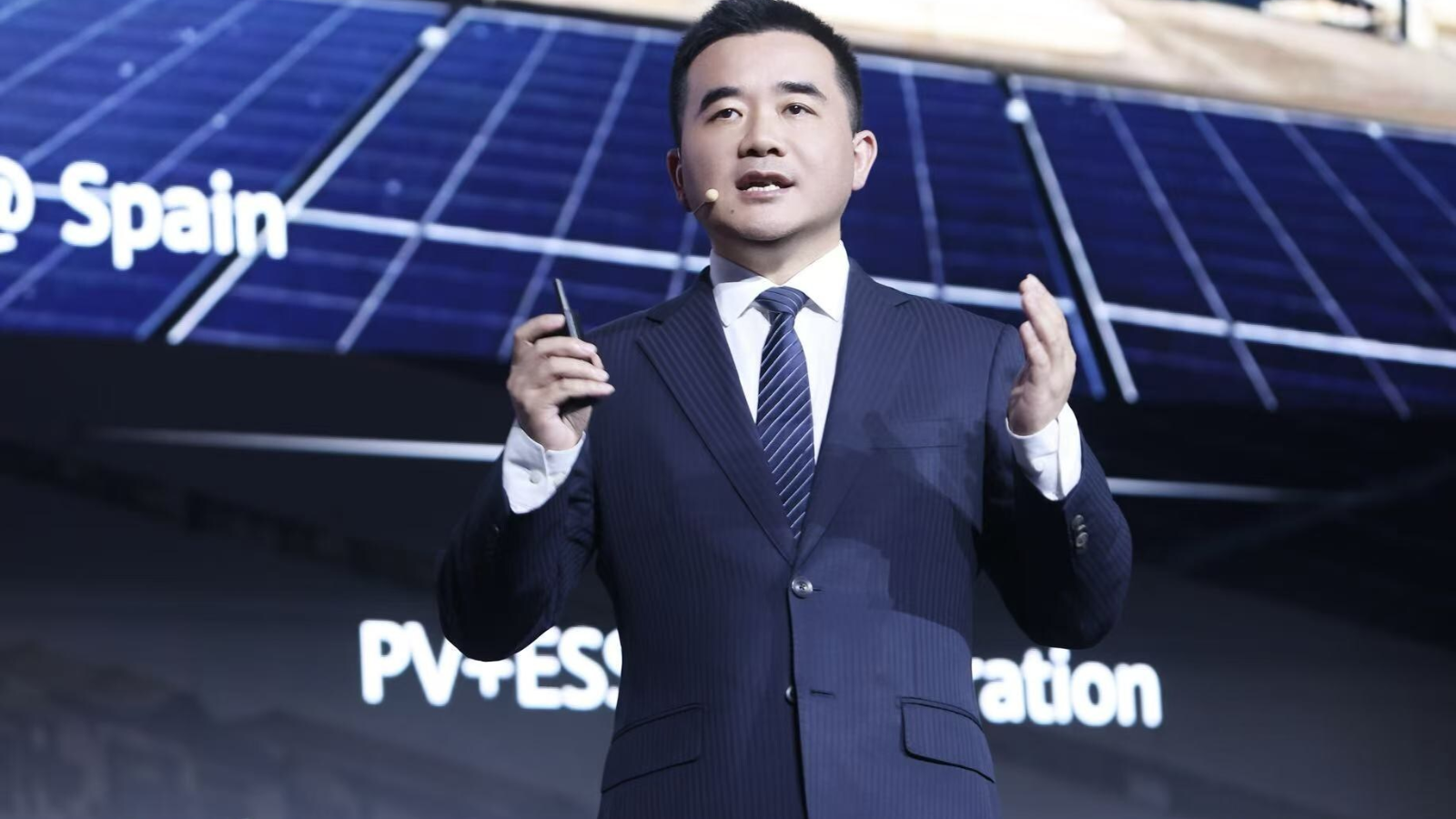
The Huawei Luterra infrastructure platform made its international debut on Friday as digital energy equipment developer Huawei Digital Power unveiled a high-voltage grid-forming energy storage architecture during the FusionSolar strategic summit at the Intersolar Europe exposition in Munich. The comprehensive launch rebrands the company’s utility-scale and residential energy storage portfolio from its historical designation to a unified system architecture engineered to operate as an active synchronous node on municipal power grids. By incorporating high-capacity power electronics with decentralized computing layers, the industrial network platform aims to address the widespread grid instability and transmission vulnerabilities that frequently limit large-scale renewable energy penetration across global utility markets.
The commercial execution strategy targets the protracted construction timelines and dense component engineering constraints that traditionally drive up the capital outlays of gigawatt-scale infrastructure projects. The foundational utility layout scales to a standardized block configuration supporting up to a 12.5-megawatt power output paired with 50-megawatt-hours of total battery storage capacity. Transitioning from fragmented, external step-up components to an integrated 1000V alternating current architecture allows energy asset developers to eliminate more than 20% of traditional auxiliary engineering hardware, accelerating factory-to-field delivery schedules by approximately 30%.
The core electrical engineering utilizes advanced silicon carbide (SiC) modules within a centralized string configuration to increase round-trip conversion efficiencies across varying electrical loads. Traditional utility-scale storage layouts link battery cells through extensive, mismatched direct-current networks that introduce heavy thermal losses and internal capacity drift over extended multi-year operational lifecycles. The specialized hardware platform counters this issue by routing power through a continuous through-busbar layout that minimizes internal electrical connections, saving valuable physical site space while streamlining on-site installation and field-commissioning workflows.
Orchestrating Autonomous Grid Stabilization via the Huawei Luterra Architecture
The adoption of the Huawei Luterra infrastructure platform reflects an ongoing structural transition within the global renewable energy market, where massive battery installations evolve from passive backup reserve banks into active grid-forming power installations. The hardware platform handles six separate grid-formation tasks natively, utilizing advanced power electronics to control short-circuit current injection, provide wideband oscillation damping, and manage primary frequency adjustments autonomously. Generating synthetic inertia directly at the site interface enables green energy farms to mirror the mechanical properties of traditional thermal power stations, stabilizing local transmission networks during abrupt generation drops.
Enterprise asset managers and electricity trading firms view accurate capacity forecasting as a vital parameter to maximize operational margins across competitive electricity markets. When an energy storage project relies on inaccurate battery state metrics, local operations risk incurring heavy financial penalties for failing to deliver committed electricity volumes during peak regional grid shortages. The underlying digital architecture addresses this variance by deploying a real-time digital twin framework that calculates high-precision state-of-energy (SOE) and state-of-power (SOP) trends, giving trading desks dependable analytical support to optimize their automated electricity arbitrage positions safely.
The underlying technical safety matrix implements a cell-to-grid (C2G) protection design built to shield high-density battery racks from cascading thermal events. The structural enclosures run on an intelligent distributed cooling layout that expands the effective heat dissipation surface area by 100%, stabilizing internal cell zones while dropping fan-induced acoustic noise by approximately 40%. This enclosed safety layer ensures that the system meets the rigid parameters of strict zone-C regulatory security models, lowering the statistical operational risk profile to less than one incident per million units according to industry risk maps.
Streamlining Lifecycle Support via the Huawei AI Assistant Portal
The long-term operational management of distributed utility assets relies on an integrated global technical service framework designed to optimize plant performance from construction through late-stage commercial operations. The company is backing its physical hardware deployments with cloud-managed software platforms, including the specialized Huawei AI Assistant and the automated EasyBuy transaction hub, to coordinate predictive maintenance cycles remotely. Providing engineering teams with automated, real-time diagnostic telemetry reduces unplanned equipment downtime, protecting the long-term revenue trajectory of international clean energy holdings.
Scaling Smart Living Environments via the Residential Luterra S2 System
The structural innovation extends simultaneously into the global consumer residential market through the introduction of the compact storage system series. The micro-generation platform applies the core technical principles of the high-capacity utility matrix to smaller household environments, feeding a unified smart home energy framework that matches local residential generation with household consumption patterns. Supplying domestic properties with self-contained, low-maintenance backup power layers helps protect residential communities from localized electrical distribution failures, driving decentralized energy autonomy across individual household structures globally.
The broader international business sector views the systematic transition toward grid-forming energy storage platforms as an essential requirement to support the next era of global electrification. As traditional fossil-fuel baseload generation decreases and smart industrial grids absorb volatile wind and solar currents, the physical distribution network requires a new tier of intelligent stabilizing infrastructure to prevent blackouts. The global rollout of the high-voltage smart string framework establishes a definitive industry standard for how utility networks can deploy state-of-the-art power electronics and digital twins to build resilient, self-healing national energy systems.