HealthScan Platform Launches via DaysToHappy App
Technology firm DaysToHappy launches HealthScan, an AI platform using phone cameras to measure blood pressure and heart rate without hardware.
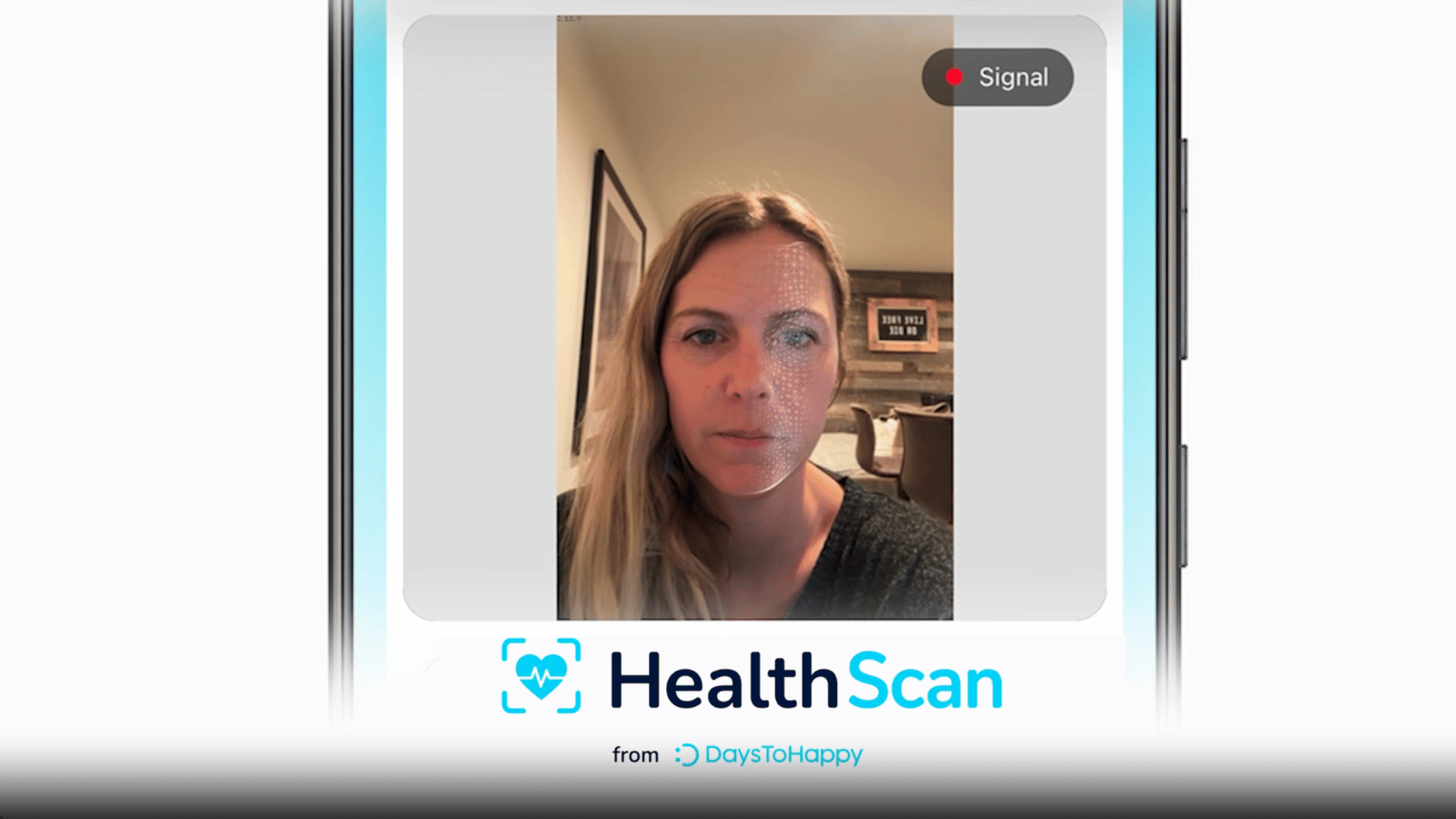
The HealthScan platform launched on Tuesday morning as healthcare engagement software developer DaysToHappy introduced an automated physiological assessment engine that utilizes standard mobile device cameras to measure core cardiovascular and stress metrics without physical contact. The browser accessible application tracks sub visual skin tone variations and local capillary blood circulation patterns through a brief facial analysis, generating immediate diagnostic snapshots. By shifting biometric tracking workloads from expensive dedicated consumer wearables onto ubiquitous consumer mobile phones, the software provider intends to help corporate health groups, enterprise employers, and medical facilities automate baseline wellness monitoring at scale.
The enterprise application executes its primary data processing tasks through a text message hyperlink, centralized corporate registration portal, or on site tablet terminal, removing the configuration friction of standalone software downloads or user credential creation. The computer vision network analyzes active pixel arrays in under sixty seconds, compiling real time data regarding systemic systolic values, heart rhythm distributions, and temporary physiological strain. This rapid diagnostic verification loop translates raw physiological observations into automated wellness advice, helping managers route users to relevant support services immediately.
The corporate strategy behind the contactless biometric rollout addresses the low participation rates and steep capital outlays that frequently limit standard enterprise health initiatives. Traditional wellness programs demand that companies procure, distribute, and maintain specialized physical fitness tracking bands across a distributed workforce, an operational model that incurs high asset depreciation and linear deployment expenses. Transitioning operational diagnostic tracking into a cloud-hosted software layer enables corporate risk officers to deploy scalable population health check ins instantly, protecting organizational resources.
Modernizing Corporate Wellness Infrastructure with HealthScan Systems
The commercial deployment of the HealthScan software architecture reflects a broader structural transition within the institutional health tech market, where enterprise buyers favor web native diagnostic interfaces over high friction application ecosystems. Traditional digital medical portals require complex local profile integrations, multi factor authentication steps, and constant background software synchronization to operate across personal user devices. Eliminating these operational steps allows healthcare systems and employee benefits managers to insert automated health screenings directly into everyday organizational communication flows.
Enterprise technology procurement directors and corporate human resource executives track mobile biometric diagnostics as a critical mechanism to reduce healthcare delivery costs and lower workplace burnout. When an organization can identify early physiological indicators of extreme chronic stress or elevated cardiovascular risks across its workforce, internal clinical groups can deploy preventative wellness tracks before those conditions escalate into expensive medical insurance claims. Implementing non invasive diagnostic verification protocols helps corporate decision makers stabilize insurance premiums while protecting overall workforce operational continuity.
The data ingestion network relies on advanced signal processing techniques to extract blood volume pulse variations from the ambient light reflections bouncing off a user facial tissue. Traditional optical diagnostics often face accuracy degradation when operated under poor indoor lighting conditions or across varying mobile camera hardware standards. The specialized computer vision algorithms embedded within the cloud engine isolate and normalize these environmental variables, ensuring that final biometric summaries maintain sufficient precision to guide early stage lifestyle interventions.
Streamlining Patient Intake Protocols via the HealthScan Network
The operational management of corporate health networks is designed to integrate automated participant check ins directly with post assessment guidance workflows. The platform software does not leave individual users with raw biometric data pools, instead matching localized vital signs with customized behavioral training pathways and automated follow up schedules. This continuous engagement structure ensures that fitness clubs, mental health organizations, and medical providers can maintain structured contact with participants between face to face sessions.
Securing Data Lineage and Compliance inside Mobile Diagnostic Systems
The broader commercial utility of browser resident health tracking software depends heavily on its capacity to handle sensitive medical data paths without violating strict international information privacy standards. Because the decentralized software platform calculates physiological variations through transient, real time image processing rather than archiving raw personal video files on local storage systems, corporate compliance risks are minimized. This protected data architecture helps enterprise partners distribute health monitoring tools globally while remaining completely aligned with internal information security mandates.
The long term commercial viability of smartphone based vital sign monitoring will ultimately depend on how successfully software developers can integrate automated behavioral tracking with verifiable health outcomes across diverse populations. As distributed corporate labor models become permanent fixtures within the global economy, the reliance on scalable, hardware independent digital wellness solutions will continue to drive procurement decisions. The continuous development of the HealthScan environment highlights a definitive transition toward autonomous, software managed preventative healthcare infrastructure that unifies heavy computer vision engineering with modern behavioral science.