Bleeding Edge Launches Modular AI Data Factory
Technology company Bleeding Edge activates its QRO1 facility in Mexico, introducing a modular 120 day deployment model for high density data centers.
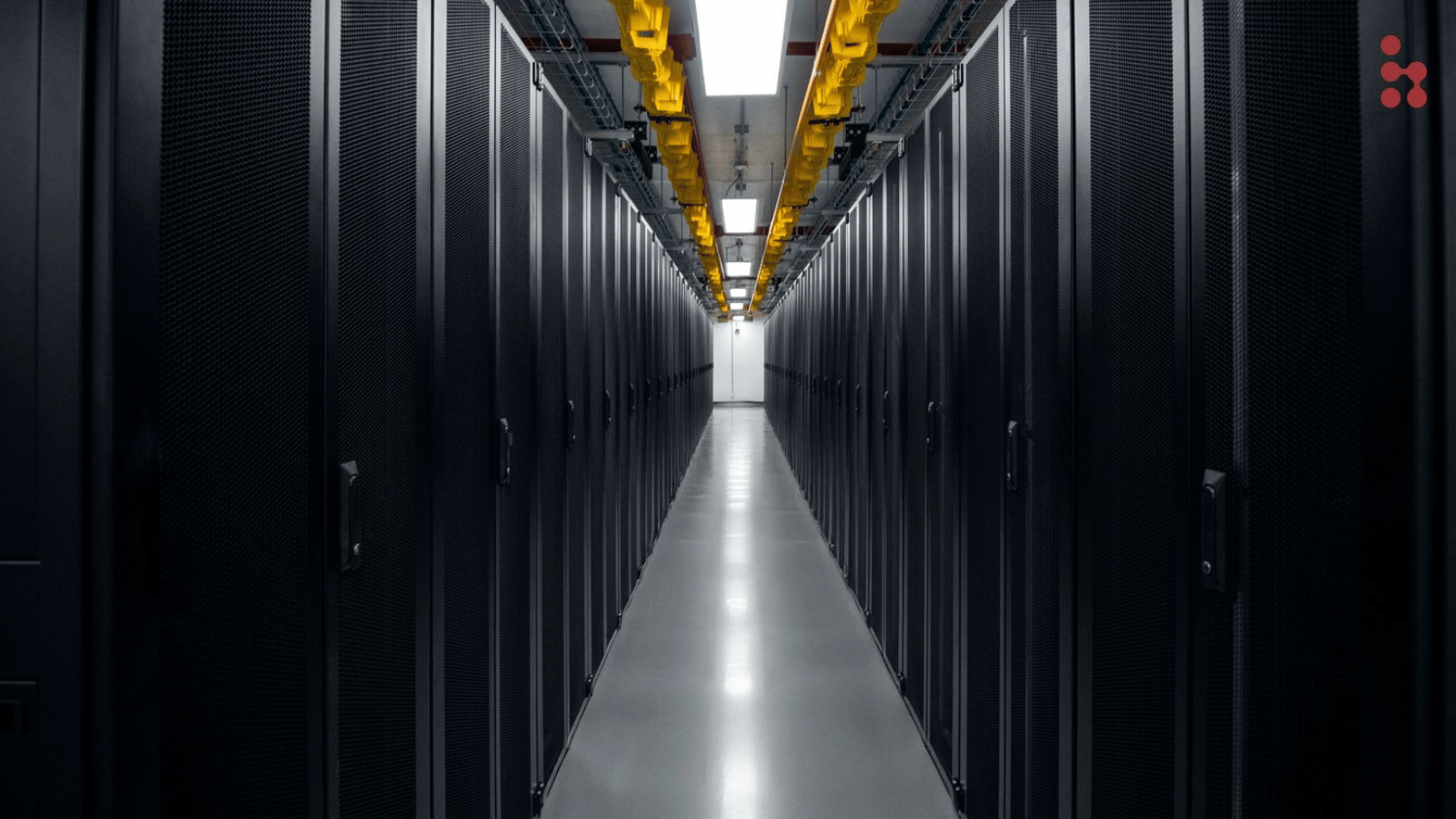
The Bleeding Edge structural platform expanded its international infrastructure footprint today as specialized data center manufacturer Bleeding Edge declared its premier computational campus in Querétaro fully operational. Codenamed QRO1, the facility functions as the initial operational node for a standardized network designed to distribute heavy graphic processing unit clusters into regional commercial markets. By utilizing a pre engineered production framework, the cloud infrastructure firm compressed traditional construction schedules down to a fixed one hundred and twenty day implementation sequence, bypassing the multi year timelines that typically delay high density industrial data facility developments.
The corporate strategy behind the Latin American deployment targets the severe supply constraints currently limiting global access to dedicated artificial intelligence processing clusters. The completed facility handles training, inference, and autonomous software agent coordination at scale, providing a localized processing center for enterprise tech buyers, sovereign computing initiatives, and research groups. Replicating this modular assembly blueprint across strategic international hubs allows the data company to establish highly predictable scaling schedules for enterprise clients requiring immediate technical processing capacity.
The underlying engineering relies entirely on specialized hardware baselines developed in coordination with chip designer Nvidia to support heavy liquid cooling manifolds. Traditional cloud facilities rely on air cooling mechanisms that cannot handle the thermal output generated by modern high density calculation matrices without encountering severe processor throttling or equipment failure. Integrating liquid lines directly into the initial layout enables the facility to maintain stable hardware environments, preventing performance degradation during massive model training workloads.
Deploying Hyperscale Clusters via the Bleeding Edge Infrastructure
The adoption of the Bleeding Edge structural framework aligns with an international transition within the tech sector where machine learning startups and state entities demand sovereign data pipelines. Historically, emerging markets depended on remote cloud centers located in distant jurisdictions, an arrangement that frequently introduces transmission latency, data sovereignty liabilities, and local compliance complications. Establishing localized computing hubs enables international enterprise networks to keep sensitive data within domestic boundaries while processing high volume automation tasks at edge speeds.
Enterprise technology directors and infrastructure investment analysts view construction velocity as a core variable when determining procurement contracts for large computational allocations. When an enterprise software initiative demands immediate processing scale to support active customer applications, a twenty four month building delay represents a critical operational vulnerability. Implementing pre fabricated manufacturing methods allows corporate clients to deploy complex localized data environments rapidly, matching active software deployment cycles.
The data routing network integrates high availability power systems engineered to insulate delicate processing boards against localized electrical grid fluctuations. High density computing configurations draw substantial amounts of power simultaneously, placing exceptional pressure on sub station connections and generating significant electrical harmonic feedback. The local engineering matrix isolates internal electrical pipelines, using automated power conditioning systems to ensure a continuous, uncorrupted flow of electricity across the entire active server farm.
Streamlining Late Stage Assembly through the Bleeding Edge Platform
The administrative management of these fast track building projects relies on an integrated global supply chain designed to deliver standardized components to regional construction zones simultaneously. Because the concrete layout, structural panels, and electrical connections match a singular corporate design, localized construction crews can execute building phases without navigating specialized structural adjustments. This structural symmetry minimizes unexpected engineering errors, lowering overall development expenses while protecting the target opening timeline.
Balancing Thermal Overhead Across Regional Data Facilities
The long term commercial viability of modular computing platforms depends heavily on their capacity to balance high energy consumption with local environmental regulations. Energy policy analysts highlight that massive processing hubs require continuous resource monitoring to minimize water use and maintain high power usage effectiveness ratios. Providing local facility managers with automated monitoring arrays helps ensure that the massive processing nodes operate within localized environmental efficiency targets, protecting the enterprise from regulatory penalties.
The broader business community views the transition toward modular, rapidly deployed computing campuses as an inevitable reaction to the compounding global demand for automated analytical infrastructure. As sovereign entities and multinational enterprises attempt to scale automated software workflows, the physical building sector must adapt to avoid widespread technological development bottlenecks. The structured deployment of the new Mexican processing hub establishes a distinct benchmark for how infrastructure providers can deliver specialized, high density industrial facilities with predictable timing.