SonicGlass A1 Transparent Speaker Launches via Kickstarter
MorningBlues introduces the SonicGlass A1, a dual-transparent lyric speaker combining Schott glass acoustics with real-time visual rendering software.
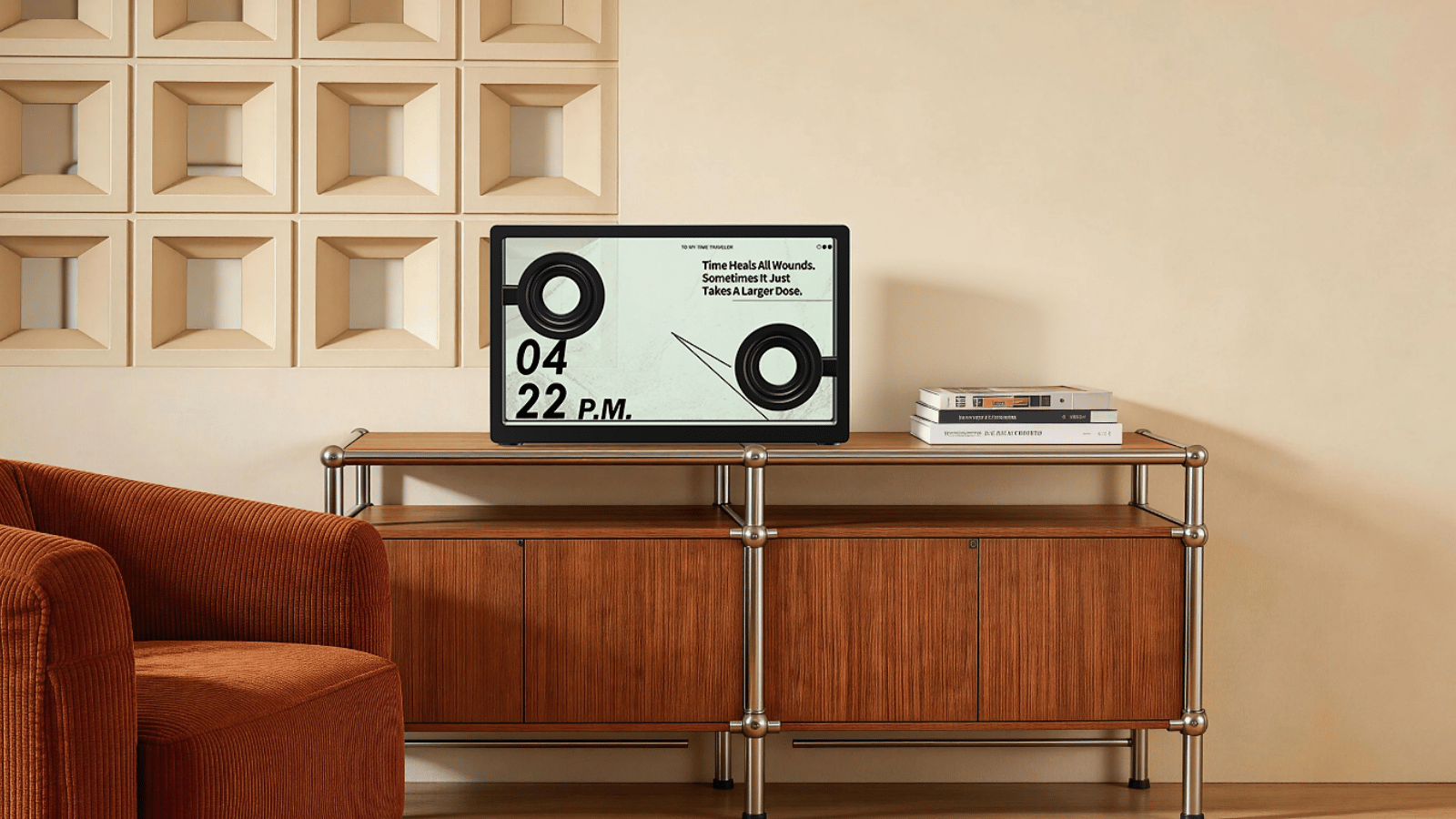
The SonicGlass A1 hardware platform debuted Thursday as boutique audio equipment developer MorningBlues initiated an international crowdfunding campaign to support production scaling for its dual-transparent consumer speaker system. The home audio device integrates specialized physical driver materials with an active display framework designed to generate real-time lyric text and rhythmic visual patterns directly onto its structural housing. By exposing the internal speaker components through a refined glass chassis, the development team is targeting luxury consumer electronics buyers seeking high fidelity home audio hardware that doubles as a minimalist spatial installation.
The commercial execution strategy leverages early stage consumer backing to establish capital pools ahead of formal factory manufacturing runs. The core architecture of the SonicGlass A1 system pairs a clear glass protective enclosure with a transparent acoustic transducer, eliminating the opaque plastic or wooden framing that characterizes traditional home theater enclosures. This structural configuration demands precision alignment across localized audio components to preserve sound staging parameters while maintaining a completely unobstructed field of view through the central body of the device.
The underlying sound reproduction system relies on a precision machined Schott glass diaphragm coupled to a rigid structural frame to isolate high frequency acoustic output. Traditional speaker designs rely on paper or composite fibers to displace air, materials that are inherently opaque and prone to structural fatigue over extended operational lifecycles. By integrating a specialized high clarity substrate with an industrial neodymium magnetic array, the acoustic engineering team attempts to deliver clear mid range responses and lower harmonic distortion rates across standard consumer volume levels.
Software Diagnostics and Visualization in the SonicGlass A1 Architecture
The introduction of the SonicGlass A1 platform reflects an ongoing transformation within the premium audio sector, where consumer technology brands increasingly deploy real-time software rendering tools to complement physical speaker hardware. The device includes automated graphics processing layers that ingest incoming audio signals, cross-referencing track data to adjust on screen text layouts to suit various musical genres. This algorithmic visual pairing transforms standard text transcriptions into dynamic spatial displays that move in unison with active signal frequencies.
Enterprise technology managers and smart home product distributors monitor these boutique hardware developments to identify shifting consumer demands within the connected media property market. When luxury real estate developers or hospitality brands procure architectural hardware, they increasingly favor consumer appliances that blend into surrounding spatial designs without adding physical clutter. Implementing completely clear materials allows property managers to distribute audio systems across premium retail or residential environments without altering curated interior environments.
The data ingestion engine goes beyond simple lyric matching, utilizing specialized media software layers to compile contextual backdrops for active audio files. The companion application analyzes the rhythm and baseline mood profiles of a playing track to generate synchronized, multi-layered visual files that map directly across the glass display surface. This continuous data synthesis ensures that the device maintains fresh visual outputs for every song, avoiding the repetitive loop animations that frequently degrade early generation lyric display equipment.
Preserving Long Term Sound Lineage via the SonicGlass A1 System
The structural integration of high output amplification units within clear physical enclosures introduces clear challenges regarding thermal dispersion and internal acoustic resonance. The SonicGlass A1 engineering architecture isolates corporate components within reinforced stress zones to minimize physical vibrations that could cause visual distortion or fracture the crystal housing. This structural isolation ensures that the premium components perform consistently even when handling high dynamic range musical passages.
Continuous Content Deployment across Connected Consumer Networks
The forward looking product roadmap relies on a continuous over-the-air firmware deployment architecture to deliver operational updates to the home audio system post procurement. The development group plans to expand the centralized ecosystem by introducing specialized internet radio functions and automated personal audio streaming features via upcoming cloud software packages. This remote management capability ensures that the physical hardware can ingest new visual styles and communication protocols without requiring consumers to purchase secondary physical components.
As the market for design forward consumer technology matures, the commercial viability of high end entertainment appliances will depend on how successfully hardware brands can marry technical authenticity with premium luxury styling. Audiophiles increasingly reject superficial novelty products that prioritize cosmetic aesthetics over measurable sound reproduction standards. The systematic combination of professional Schott glass materials and responsive visual software indicates that the consumer audio sector is transitioning toward integrated spatial installations that function simultaneously as computing displays and high fidelity acoustic monitors.