Is Streaming Better Than Traditional TV?
The streaming entertainment landscape offers endless content but creates new challenges. Discover how on-demand platforms compare to traditional TV.
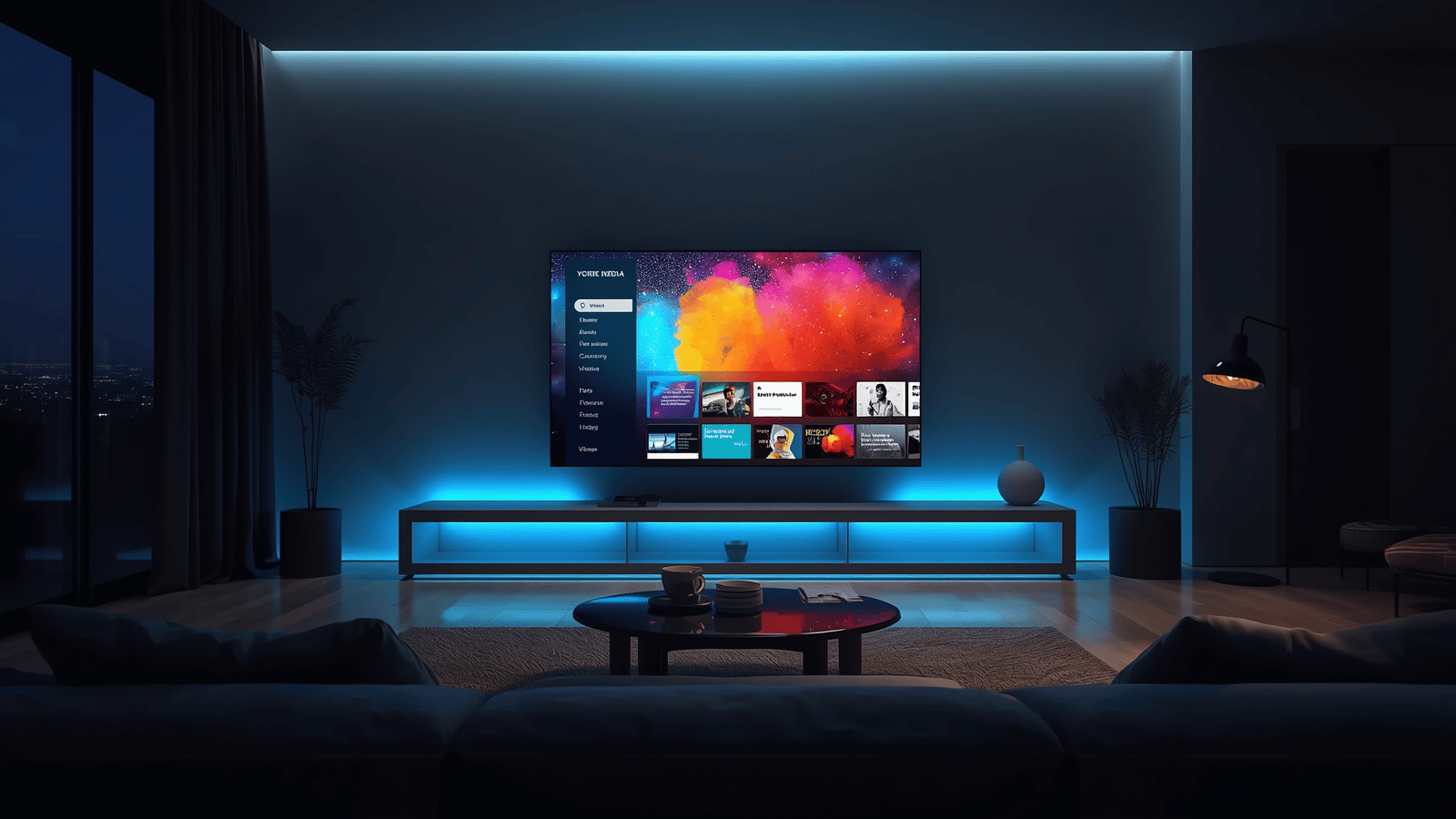
The rapid ascendancy of on-demand platforms was supposed to represent an unmitigated victory for viewer autonomy and artistic freedom. Instead, the reality of the streaming entertainment landscape has evolved into a complicated ecosystem that leaves many audiences nostalgic for simpler times. For every viewer enjoying the luxury of watching a whole season of drama in a single weekend, another is spending forty minutes scrolling through identical looking menus trying to make a choice. This persistent tension between endless variety and decision fatigue is forcing us to question whether the digital migration has actually improved our relationship with moving images.
Understanding the streaming entertainment landscape in the modern household
The original promise of abandoning linear broadcasting relied on a very appealing calculation. Consumers believed they could trade rigid network schedules and bloated cable packages for lower costs and total control over their viewing time. Early adopters felt a sense of liberation as the streaming entertainment landscape offered commercial free narratives and niche programming that traditional networks would never risk producing. Yet, this initial gold rush of content has given way to an environment that feels increasingly fragmented and financially exhausting.
Media analysts point out that subscription models are beginning to mimic the exact corporate structures they were designed to replace. To watch a broad selection of premium television, a household must now maintain five or six separate accounts, which often exceeds the cost of a legacy cable bill. The financial efficiency that drove millions to cut the cord has vanished, replaced by an ongoing game of monthly subscription management.
This economic shifting changes how we interact with stories. When a platform drops an entire series at midnight, the collective experience of television changes completely. In the traditional era, the weekly release schedule created a shared cultural rhythm, allowing viewers to discuss, analyze, and anticipate the next development together. Stripped of this communal pacing, media consumption becomes a highly isolated event, transforming a shared cultural touchpoint into a series of lonely algorithms.
The unexpected cultural endurance of linear television
This digital shift is not just an inconvenience for the casual viewer because it directly impacts how major media companies distribute resources and fund creative projects. When platforms prioritize subscriber acquisition metrics over long term retention, the quality of storytelling begins to change in predictable ways. Writers face intense pressure to create instantly addictive hooks, leading to a surplus of formulaic series that are quickly canceled the moment their viewer data begins to plateau.
Smart executives are starting to notice that traditional broadcasting still holds a powerful monopoly on specific types of human experience. Live sports, breaking news, and major cultural events retain an immediacy that digital platforms struggle to replicate without technical delays or buffering issues. The collective knowledge that millions of people are watching the exact same broadcast at the exact same second creates an irreplaceable sense of shared reality.
Furthermore, discovery works entirely differently in a linear environment. Turning on a television set and happening upon an old film or an unfamiliar documentary provides a sense of serendipitous delight that recommendation engines rarely deliver. Algorithms are inherently backward looking, suggesting content based on past habits, which locks viewers into a cultural echo chamber that limits their exposure to unexpected ideas.
Evaluating the streaming entertainment landscape through consumer utility
Surviving this era of content saturation requires a more deliberate approach to how we occupy our leisure time. The future of domestic media will likely belong to hybrid models that combine the curated flow of linear channels with the on-demand flexibility of digital libraries. True choice means having the option to seek out a specific masterpiece or simply lean back and let an editor choose the evening programming for you.
Some platforms are experimenting with free ad-supported television channels that replicate the old channel-surfing experience within a digital framework. This development shows that audiences still crave the low-friction relaxation that defined the classic broadcasting era. Viewers do not always want to act as their own network programmers after a long day of making professional decisions.
Ultimately, navigating the streaming entertainment landscape requires us to balance our desire for control with our need for simplicity. We must remember that the value of television was never just about the volume of choices available, it was about the ease of entertainment. Reclaiming that ease requires setting limits on our subscriptions and accepting that sometimes a scheduled broadcast is exactly what the evening calls for.