Solid State Battery Pack Development Launched by ProLogium
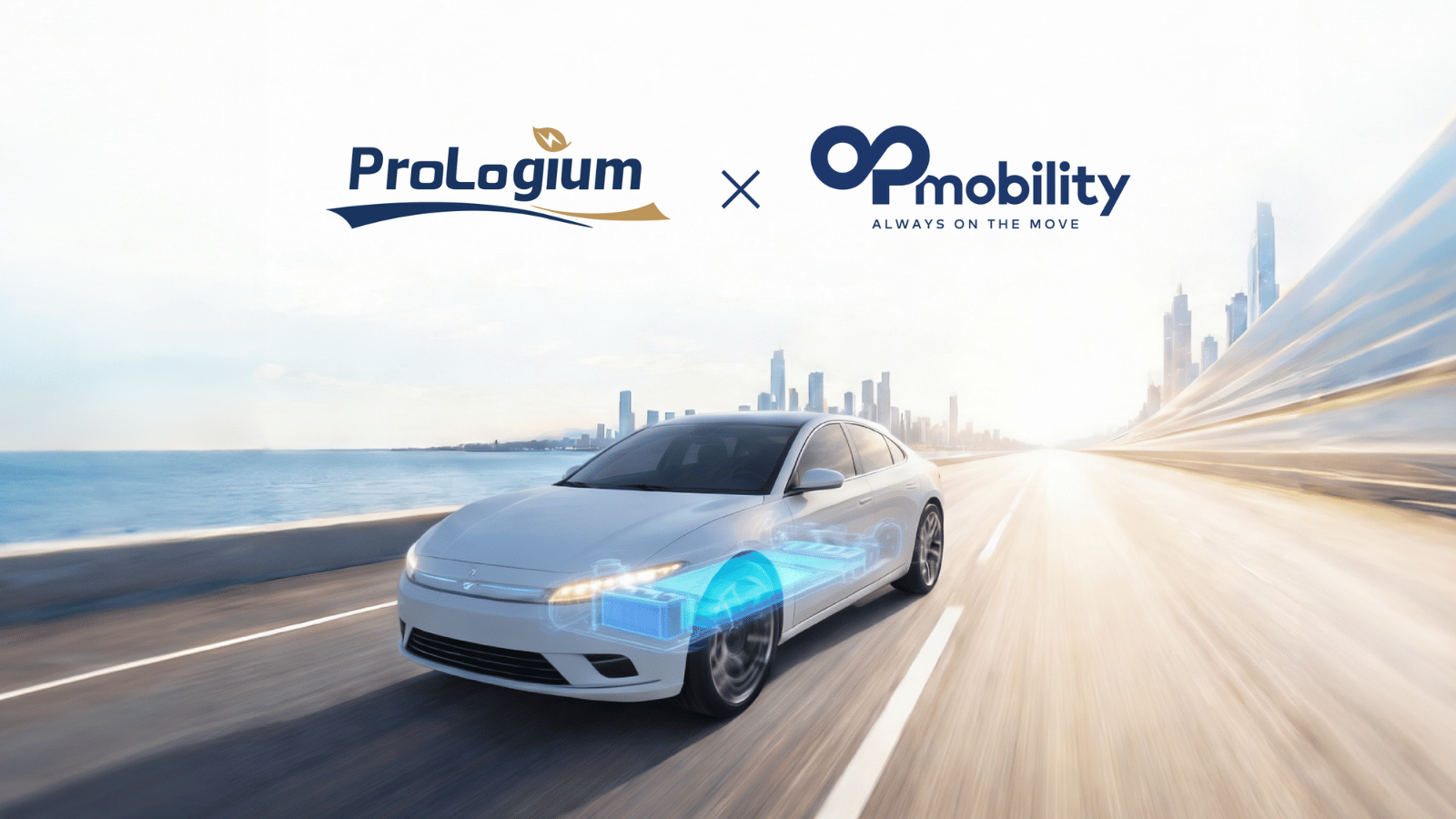
ProLogium and OPmobility sign an agreement to develop integrated solid state battery modules to streamline EV manufacturer adoption.
ProLogium has entered into a memorandum of understanding with automotive supplier OPmobility to co develop specialized energy storage hardware. The partnership aims to combine the manufacturing capabilities of both firms to transition raw chemical cells into highly secure automotive battery packs. Under the initial phase of the agreement, the technical teams will establish shared engineering protocols to evaluate how advanced chemistry performs under real world driving stresses.
The commercial agreement directly addresses an ongoing engineering bottleneck in the electric vehicle industry where laboratory battery breakthroughs struggle to transition into commercial production models. Automotive companies require complete power modules that can wire directly into a vehicle chassis rather than individual loose cells. ProLogium will ship its manufacturing components from its production centers to French engineering facilities managed by OPmobility, where engineers will design the external protective casings and thermal management housing.
The collaborative engineering effort seeks to deliver standard design packages that global original equipment manufacturers can readily insert into upcoming vehicle architectures. Both organizations stated that the preliminary focus will rest on rigorous electrical performance testing to ensure the joint architecture complies with international automotive safety regulations. By integrating early in the development lifecycle, the companies expect to reduce the time required for automobile brands to test and approve the power storage technology.
Scaling Solid State Battery Production From Labs to Factories
The industrial push toward solid systems comes as traditional lithium ion packs face physical energy density limitations. The integration of high density solid alternatives is critical for automakers looking to address consumer concerns regarding vehicle range and slow charging times.
Technical disclosures indicate that the advanced chemical structure achieves a volumetric energy density of 900 Watt hours per liter alongside a gravimetric density of 380 Watt hours per kilogram. The internal layout also demonstrates high speed charging capabilities, moving from a five percent charge to eighty percent capacity in approximately six and a half minutes. Maintaining performance during winter conditions has long been a challenge for electric vehicles, but initial testing shows these specific cells retain over ninety five percent of their operational discharge capacity at minus twenty degrees Celsius.
Converting these individual cell metrics into a working vehicular system requires substantial industrial engineering expertise. OPmobility will utilize its specialized power business group to design the complex circuitry and cooling systems needed to keep thousands of cells operating uniformly. If the module designs prove successful, the joint architecture will help vehicle manufacturers lower total production costs by reducing the structural footprint of the onboard energy storage area.
Building European Supply Chains for Automotive Tech Buyers
The agreement arrives amidst a broader push by European automotive component suppliers to secure domestic supply chains for next generation components. Dependence on external battery refineries has prompted substantial investment in local manufacturing centers across France and Germany.
To support its expansion into Western markets, ProLogium opened an overseas research and development center in Paris Saclay to provide localized engineering support to regional automobile brands. Furthermore, the company is advancing plans for its first overseas gigafactory in Dunkirk, France, which cleared its environmental assessment and building permit reviews. Construction on the French industrial site is scheduled to begin later this year, with full commercial mass production and customer deliveries projected to launch in the second quarter of 2029.
The deployment of a local manufacturing hub helps corporate technology buyers minimize international logistical risks and comply with tightening regional trade regulations. The Dunkirk facility will source and assemble components close to major European automotive assembly lines, lowering transport emissions and avoiding complex cross border tariffs.
Industrial Evolution and Market Hurdles
The automotive components market is experiencing a significant shift as traditional parts manufacturers pivot toward electrical architecture. The agreement illustrates how component suppliers are racing to form alliances with specialized energy developers to protect their market positions against new technology entrants.
The commercial viability of this specific technology will depend heavily on scaling production lines to lower the cost per kilowatt hour. While traditional liquid lithium batteries benefit from decades of manufacturing optimization, newer architectures require entirely new factory automation tools. The ability to demonstrate a functional, high volume production line remains a key differentiator for companies seeking long term supply contracts with global car brands.
Corporate Strategy and Financial Realignment
The partnership with an established Tier 1 automotive supplier provides immediate market access that smaller energy startups typically struggle to achieve independently. OPmobility maintains deep commercial relationships with major global car brands, giving the joint battery venture an immediate sales channel.
The corporate alignment follows a separate financial milestone where ProLogium announced plans to list on the Nasdaq stock exchange through a business combination with a specialized acquisition corporation. The capital infusion from the public listing will help fund the expensive construction phases of the upcoming European gigafactory network.
For automotive buyers, dealing with a publicly traded entity backed by a recognized global parts supplier reduces the long term financial risk associated with adopting unproven powertrain components. As the global automotive landscape moves toward stricter safety standards, verified system level testing will remain mandatory for any company looking to capture meaningful market share.
Long Term Technological Alignment
The joint engineering project represents a systematic effort to solve the commercialization problems facing alternative energy storage systems. By separating the chemical development from the structural vehicle integration, both firms can focus on their core engineering competencies.
The development signals an important transition where advanced battery chemistry moves out of isolated pilot programs and enters standardized automotive supply chains. If the initial module evaluation proves successful, the combined platform will offer a highly competitive alternative to standard liquid cell formats.
The long term impact of the collaboration will depend on how quickly the engineers can lower mass production complexities. By establishing unified testing workflows today, the companies are laying the technical foundation required to support high volume electric vehicle manufacturing over the next decade.