Sales AI Agent Launched by GrubMarket for Food Distributors
GrubMarket has launched its Sales AI Agent to automate prospecting, menu analysis, and quote generation for wholesale food distributors.
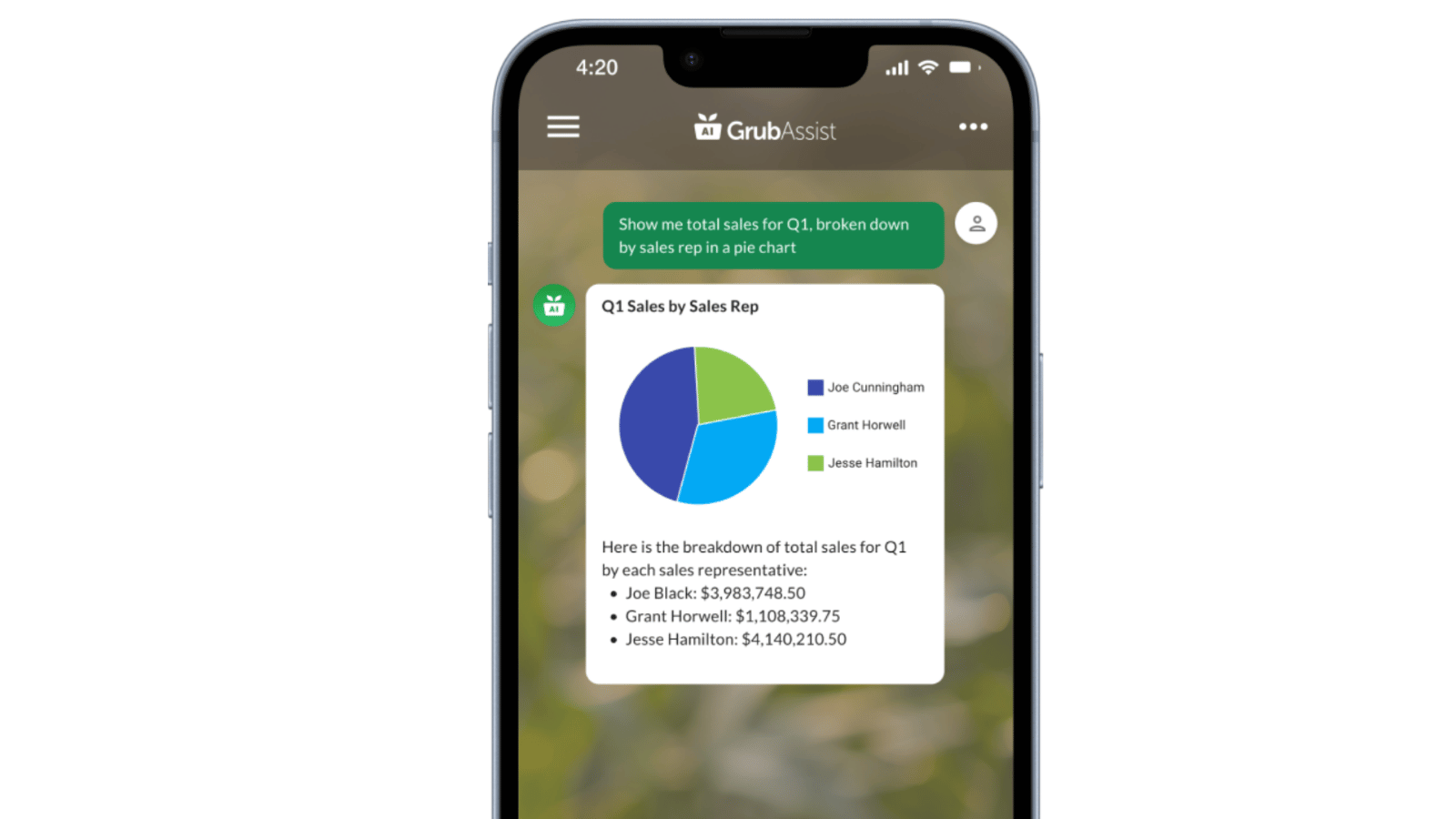
Food supply chain technology provider GrubMarket has released its new Sales AI Agent software to automate client acquisition and real time quote creation for commercial food distributors. The specialized digital application combines geographic mapping software with structured text analysis to help wholesale sales teams identify nearby restaurants, scan unstructured menus, and generate customer facing price sheets. The product rollout represents an effort by the logistics platform to substitute traditional paper based sales research with automated pipeline management across the food service industry.
The software deployment addresses a persistent operational bottleneck within the wholesale agricultural distribution sector, where sales representatives frequently spend hours manually auditing restaurant menus to identify sales opportunities. By utilizing localized data parsing engines, the application interprets images or digital document files of restaurant order guides and matches listed items directly against a distributor internal product catalog. This automated matching routine allows food brokers to generate customized pricing proposals within minutes, accelerating communication cycles with prospective commercial buyers.
The San Francisco based enterprise is distributing the application as both an independent software utility and an integrated module within its broader corporate technology ecosystem. The system connects directly to established enterprise resource planning software lines, including WholesaleWare ERP, Thyme Software, and Orders IO, allowing sales teams to pull live inventory levels and active price tiers automatically during the quoting process. By linking client discovery tools directly to back end logistics software, the technology firm aims to shorten sales cycles while reducing the administrative overhead associated with manual data entry.
Sales AI Agent Integrates Digital Document Parsing
The operational structure of the newly deployed system relies on six core technical capabilities that manage the entire customer acquisition pipeline within a single interface. The primary discovery module utilizes a map based geographic database that allows sales representatives to query prospective retail accounts by specific postal codes. The application surfaces verified business profiles, historical operating records, and digital communication channels, providing field agents with the baseline data necessary to plan targeted regional marketing campaigns.
The underlying document extraction engine uses advanced pattern recognition to convert unstructured menu layouts into standardized data rows. When a sales agent uploads a photograph of a physical menu, the software identifies individual ingredients, estimates necessary purchase volumes, and applies configured rule-based overrides or volume specific discounts. The finalized pricing sheets can then be distributed instantly to restaurant buyers via text messaging applications, digital communication platforms, or standard corporate email channels.
Enhancing Workflow Automation within Agricultural Logistics Platforms
The integration of automated sales utilities follows a comprehensive platform update executed by the technology vendor earlier this spring. The company previously updated its core database structures to support multi-language inbound order processing, automated lot allocation, and electronic data interchange integrations with institutional buying groups like Produce Alliance. The introduction of the Sales AI Agent builds upon these backend data processing improvements by providing front-end sales teams with direct access to automated analytical models.
By linking automated document parsing with rule-based pricing groups, the platform allows independent distributors to implement dynamic pricing strategies that react to changing market conditions. If regional logistics expenses or wholesale agricultural costs fluctuate, the central management office can update its core database rules, and the sales application will automatically adjust all outgoing quotes to preserve target profit margins. This systematic synchronization ensures that field proposals remain mathematically accurate and aligned with current warehouse inventory levels.
Wholesale Food Distribution Technology Market Context
The commercial rollout of the automated sales platform arrives during a period of accelerating digital transitions across the international food logistics sector, which has historically relied on manual data tracking and offline agreements. Wholesale food distributors face intense margin pressure due to fluctuating fuel costs, perishable inventory timelines, and unpredictable supply chains. As a result, the capacity to acquire new accounts rapidly and optimize delivery volumes has become a primary metric dictating long-term profitability for regional distribution firms.
For corporate technology buyers and chief information officers managing complex supply chain operations, the adoption of specialized digital workers offers a method to scale sales operations without expanding permanent headcount. Traditional customer relationship management platforms often fail to account for the unique variables of the food industry, such as catch weights, variable pricing groups, and seasonal menu changes. Implementing an industry specific software layer allows distributors to eliminate communication errors between sales divisions and warehouse fulfillment staff, minimizing product waste and improving delivery accuracy.
The long term market value of the automated sales network depends on the capacity of the technology firm to maintain seamless integrations across diverse, legacy enterprise planning systems. The wholesale food industry utilizes a fragmented assortment of proprietary software applications, requiring data providers to build adaptable application programming interfaces that can handle variable data formats. The successful deployment of automated territory mapping, visual menu analysis, and multi-channel proposal delivery establishes an innovative operational precedent for modern logistics organizations seeking to modernize supply chain management through practical computing solutions.
Source: PR Newswire