
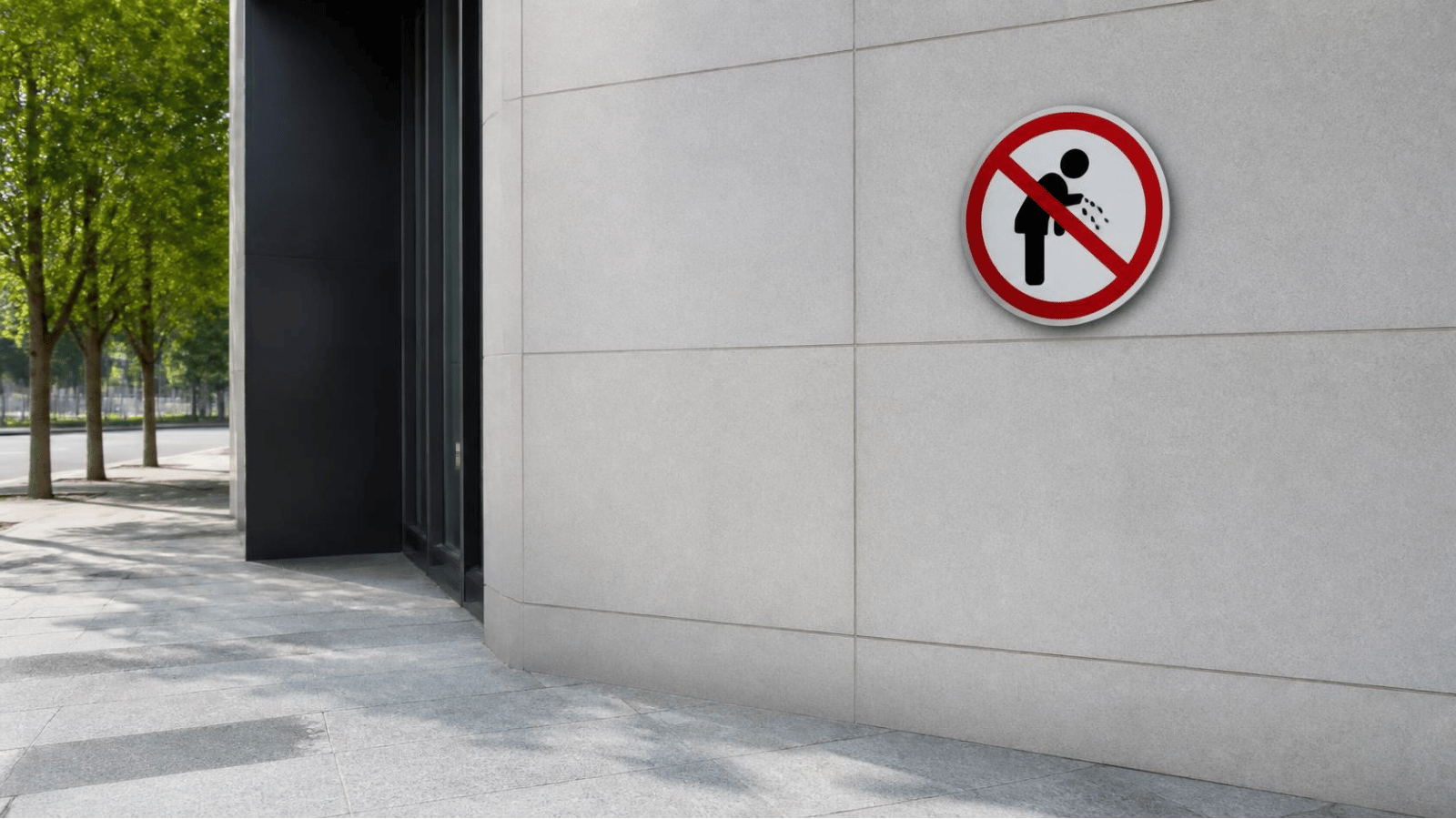
The Public Spitting Habit in India Causes and Government Action
The public spitting habit in India remains one of the country’s most visible civic challenges. If you walk down a busy street, step onto a railway platform, or enter a stairwell in an office building, you will often spot red stains on walls and pavements. This persistent issue damages public infrastructure, creates dirty surroundings, and spreads infectious illnesses.
Understanding why this habit happens and how public health rules address it helps explain what is needed to make cities cleaner.
Why People Spit in Public
Public spitting is not caused by one single factor. It is driven by everyday consumption habits, medical misunderstandings, and how people treat shared spaces.
- Chewing tobacco products like paan and gutkha stimulates excess saliva that users feel compelled to spit out quickly.
- Many individuals mistakenly believe that swallowing build up saliva or phlegm is harmful to bodily health.
- People often maintain spotless cleanliness inside their own homes while feeling little personal responsibility for shared public streets.
- Crowded public transit hubs and open sidewalks often lack accessible waste bins or sealed spittoon facilities.
- A widespread lack of social disapproval encourages repeat behavior because bystanders rarely stop offenders.
The Serious Health Risks Behind Public Spitting
Public spitting is not just an ugly sight; it is a major airborne health risk.
When someone spits on a sidewalk, the saliva does not just disappear when it dries. The bacteria and viruses inside that fluid can mix with street dust, become airborne, and spread through the wind.
- Airborne droplets from infected saliva spread respiratory illnesses like tuberculosis, influenza, and common viral infections.
- Pathogens can remain active in dried spit residue for hours, posing risks to street sweepers and pedestrians.
- Chemical acids in tobacco spit erode the paint, plaster, and metal frames of bridges and public monuments over time.
- City corporations spend significant municipal funds every year power washing stained walls rather than building useful public facilities.
What the Government and Law Say About Spitting
Indian authorities have introduced multiple laws and regulations to ban spitting, though enforcement varies across regions.
- Under national disaster guidelines and municipal by-laws, public spitting is classified as a punishable offense with spot fines ranging from one hundred to one thousand rupees.
- Indian Railways penalizes spitting on train platforms and tracks with fines up to five hundred rupees under cleanliness rules.
- The Swachh Bharat cleanliness mission actively runs public campaigns educating citizens about the disease risks linked to public spitting.
- City corporations in major metros use clean up marshals and spot penalties to discourage people from dirtying bus stands and road dividers.
- Several state laws provide for community service or higher fines for repeat offenders caught dirtying public property.
Stopping public spitting requires strict on the ground enforcement alongside real changes in personal civic responsibility across every community.