
Webbula Zuvo Platform Launches to Deliver AI-Ready Email Threat Detection and Data Hygiene
Data quality and identity resolution specialist Webbula has announced the launch of the Webbula Zuvo platform, an artificial intelligence-ready data hygiene architecture designed to help organizations detect hidden risks, eliminate deliverable spam traps, and secure outbound campaigns.
News About Webbula Zuvo Platform
Pittsburgh, Pennsylvania-based marketing technology developer Webbula unveiled the Webbula Zuvo platform, introducing a next-generation data quality system designed from the ground up for direct artificial intelligence integration. The architecture debuts with its foundational security module, Protect, which expands upon Webbula’s nearly two decades of proprietary email hygiene and threat detection algorithms.
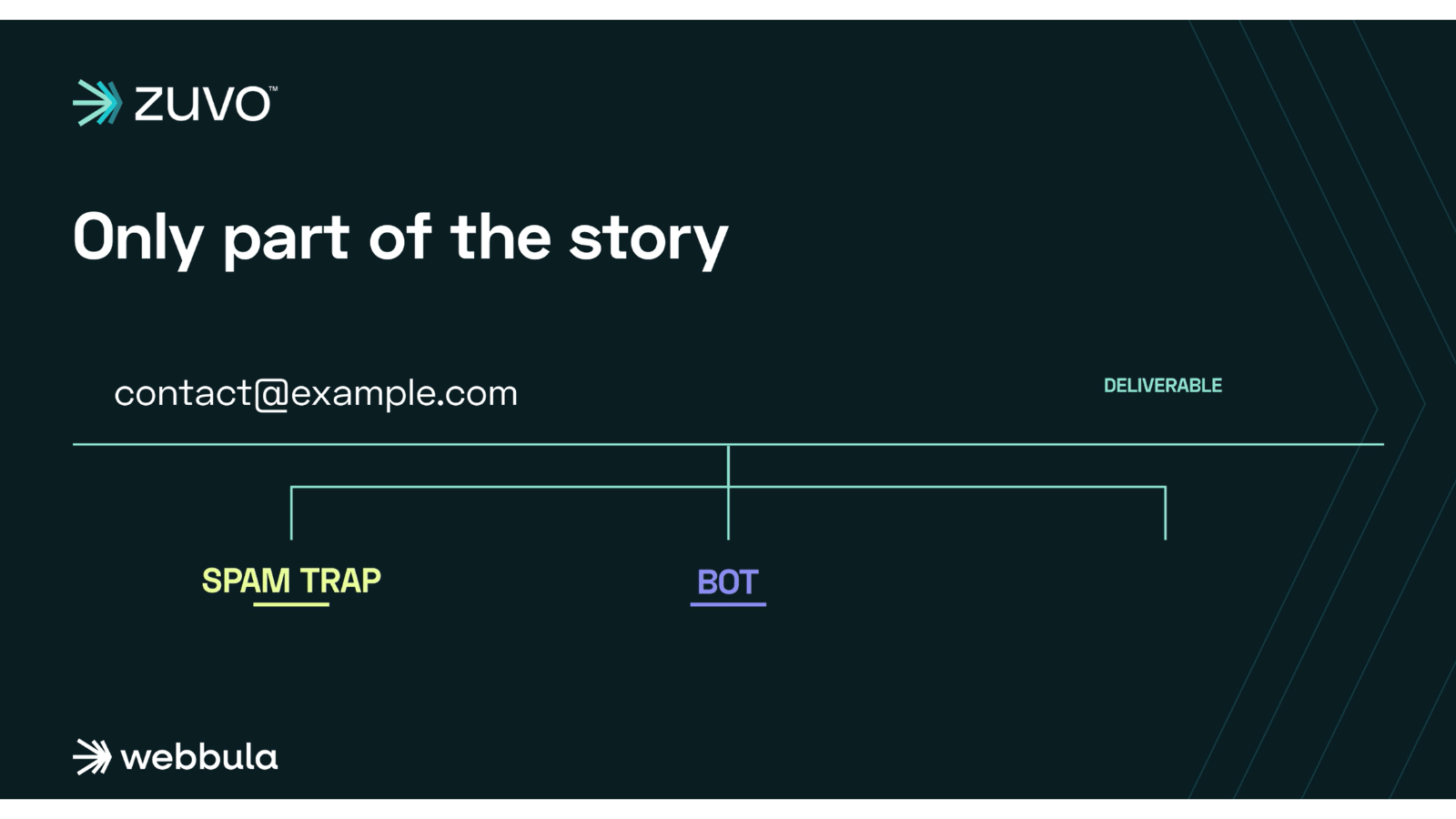
Protect is engineered to solve a fundamental blind spot in standard data hygiene: an email address may be technically deliverable by mail transfer agents while remaining fundamentally hazardous to sender reputation. The module provides four out-of-the-box scanning options:
- Verification: Assesses whether an email address exists and can accept incoming mail.
- Threat Detection: Evaluates addresses across more than 50 domestic and global threat filters to detect spam traps, honey pots, disposable email providers, automated bots, and compromised domains.
- Threat Detection + Verification: Combines syntax and server validation with proprietary Email Activity intelligence, categorizing whether an address appears actively engaged, dormant, or difficult to classify.
- Lead Validation: Enforces real-time gatekeeping on incoming form submissions and API integrations before raw records enter enterprise customer relationship management (CRM) databases.
Under the leadership of Chief Executive Officer Vince Cersosimo, the system incorporates native support for the Model Context Protocol (MCP). Delivered as a hosted MCP server, the architecture enables autonomous AI agents and automated workflows to query Protect’s threat detection databases directly without requiring local infrastructure deployment. Zuvo is available under two commercial structures: an On Demand pay-as-you-go model and a Core monthly subscription with inclusive usage credits.
Significance of Webbula Zuvo Platform
The launch of the Webbula Zuvo platform is significant for enterprise marketing operations and data governance teams because standard verification tools stop at SMTP handshake checks. Deliverability alone does not protect senders from pristine or recycled spam traps, malicious bot submissions, or temporary disposable addresses that damage domain reputation and distort lead-scoring models.
As companies automate sales development through outbound AI agents and automated form processors, feeding unverified leads into automated outreach pipelines creates severe operational hazards. A single deliverable spam trap hit can trigger blocklisting across major internet service providers (ISPs), derailing legitimate email marketing operations and squandering customer acquisition investments.
Furthermore, integrating native MCP accessibility reflects a necessary shift toward agentic AI tooling. As autonomous software agents increasingly handle lead qualification, data enrichment, and customer communications, these agents require machine-readable threat telemetry to evaluate contact validity before executing downstream actions.
Next Steps for Webbula Zuvo Platform
Following the commercial release of Protect, Webbula is onboarding enterprise marketing teams, marketing operations agencies, and AI engineering groups through its web portal, offering initial exploratory scan credits. Solution consultants will collaborate with enterprise clients to calibrate custom threat detection thresholds matching specific industry risk appetites.
Looking ahead, Webbula will expand the Zuvo platform with additional modular capabilities focused on cross-channel identity enrichment, business-to-business firmographic validation, and audience segmentation tools. Engineering teams will continue optimizing hosted MCP connectors and API endpoints to support multi-agent CRM automation frameworks.