Peet Middle Ground Half-Caff Coffee Launched
Peet Middle Ground half-caff coffee debuts alongside a nationwide campaign targeting afternoon fatigue with new functional summer beverages.
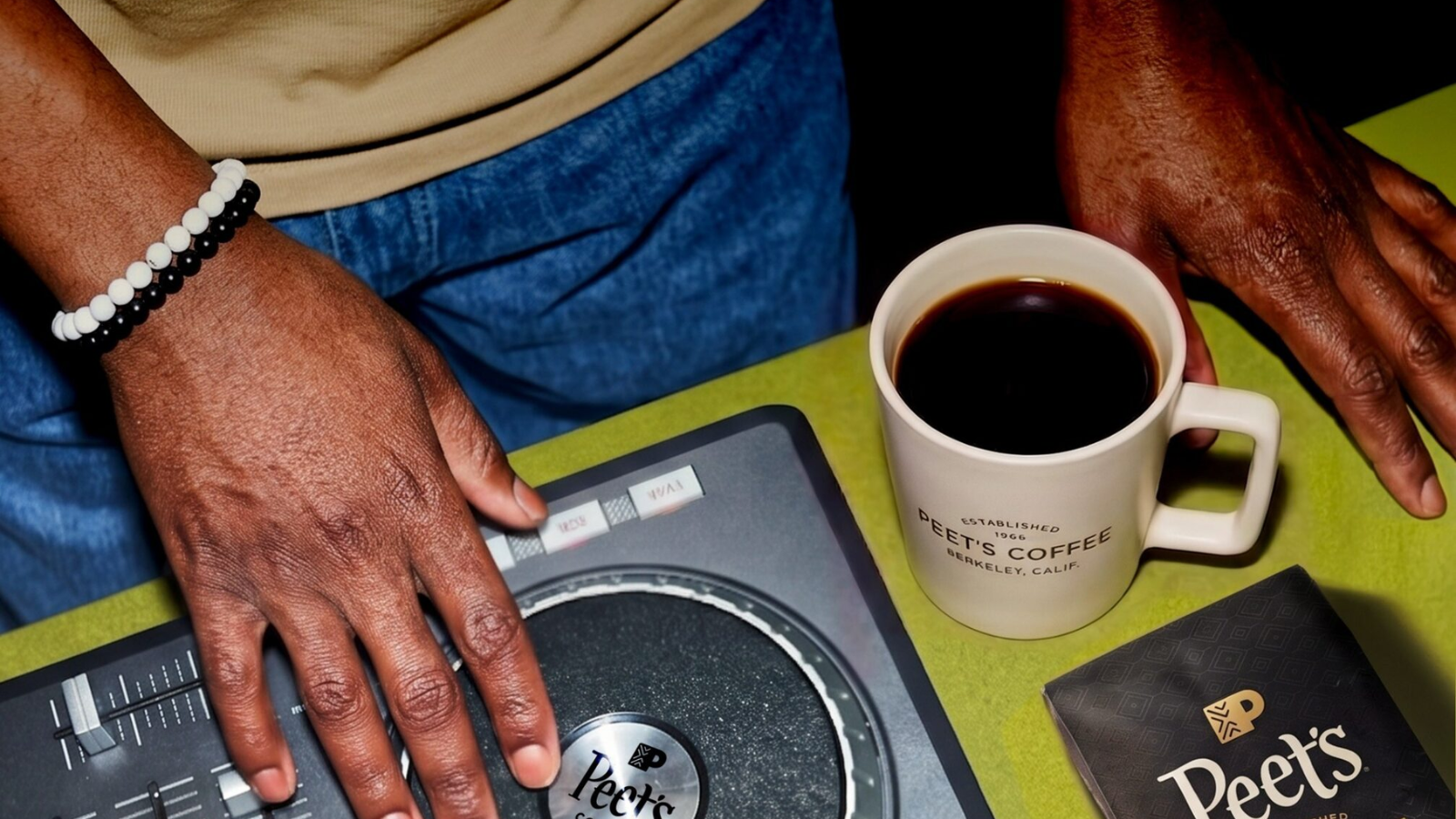
Peet Coffee is targeting the consumer market for afternoon refreshments with a new campaign centered around a nationwide search for a designated musical curator. The company introduced its new half-caff coffee called Peet Middle Ground, designed to appeal to beverage consumers who want to sustain productivity later in the workday without consuming full doses of caffeine. The initiative coincides with the national rollout of a summer seasonal menu focused on alternative energy and protein options.
By introducing a product with a lower caffeine content, the California-based roaster is attempting to establish a new category of beverage consumption between morning routines and late-day hydration. The promotional push runs alongside the commercial introduction of plant-based energy drinks and protein-enriched iced lattes. The strategy seeks to capture market share from consumers who typically abandon traditional coffee beverages in the afternoon to avoid sleep disruption.
The centerpiece of the promotional strategy involves a public competition where participants submit music playlists tailored toward maintaining workplace focus. The company intends to use the crowdsourced music initiative to generate engagement around the product line. Corporate leadership indicated that the combination of reduced caffeine and curated audio is intended to address the physiological slump that workers frequently report during the mid-afternoon hours.
Consumer Trends Driving Product Architecture
The beverage industry is experiencing a shift in how professionals manage their daily energy levels. Traditional consumer habits typically involved high-dose caffeine intake in the morning followed by a sharp drop in consumption later in the day. Food and beverage brands are increasingly adjusting their product portfolios to fill the gap between high-stimulant drinks and standard decaffeinated options.
Market demand reveals that younger professionals are looking for smarter ways to maintain stamina without encountering the jitteriness or sleep issues associated with late-day espresso or energy drinks. The decision to engineer Peet Middle Ground by blending specific ratios of water-processed Colombian decaf beans with standard Brazilian beans reflects a technical approach to flavor preservation. Premium coffee brands have historically struggled to convince consumers that lighter or altered caffeine options can maintain the taste profile of traditional roasts.
This balancing act represents a notable pivot for established roasters trying to defend their market share against ready-to-drink energy supplements and functional wellness teas. Enterprise buyers and retail distributors are watching these developments closely as corporate offices look for workplace amenities that align with modern employee wellness preferences. Providing workplace options that support steady productivity rather than intense spikes in energy is becoming a focus for corporate pantries.
Commercial Distribution and Seasonal Offerings
The product strategy extends beyond the new half-caff blend into a broader summer lineup available through the middle of August. The companion menu includes sparkling drinks that use plant-derived caffeine components rather than synthetic stimulants. This shift toward plant-sourced ingredients aligns with clean-label trends across the commercial food sector.
Functional Protein Formulations
The company is also introducing specialized lattes containing whey protein combined with ingredients like banana purée and matcha. These items deliver up to thirty grams of protein per serving, targeting the intersection of the specialty coffee market and the fitness supplement sector. By positioning these beverages as functional food options, the brand is attempting to capture revenue from consumers who would otherwise purchase separate protein shakes or meal replacements.
Digital Engagement Strategy
To support the product rollout, the digital submission platform will collect consumer data and behavioral insights regarding music preferences linked to productivity. The winning participant will receive a travel package to a multi-day music festival in Chicago, and the selected playlist will be broadcast across physical retail storefronts. This approach links localized brick-and-mortar experiences with a broader digital marketing campaign.
Market Dynamics and Competitive Pressures
The broader context of the premium coffee industry involves intense competition among national chains, independent specialty roasters, and ready-to-drink commercial brands. Companies are forced to innovate as consumer foot traffic fluctuates based on remote work trends and shifting economic priorities. Offering specialized beverage categories allows premium brands to maintain high average order values even if baseline foot traffic slows down.
Industry Note: The emergence of functional coffee alternatives highlights a growing corporate awareness of how consumer dietary habits shift throughout the day, prompting major brands to rethink their afternoon menu structures.
Competitors in the space have previously experimented with cold brews infused with nitrogen or added vitamins to attract health-conscious buyers. The introduction of Peet Middle Ground highlights a more conservative, flavor-first approach that relies on traditional blending techniques rather than artificial additives. The success of the strategy will largely depend on whether standard coffee drinkers view half-caff options as a legitimate afternoon ritual or an unnecessary compromise.
As retail foot traffic becomes increasingly dependent on digital ordering apps and afternoon loyalty rewards, experiential campaigns help brands stand out in crowded digital spaces. The focus on workplace fatigue and productivity themes shows a clear understanding of the professional demographic that forms the core of the specialty coffee consumer base.
Strategic Significance for Beverage Retailing
The launch of the afternoon-focused menu and the search for a musical curator represent a deliberate effort to maximize store utility during historically slow retail hours. Most coffeebars experience peak transaction volumes before ten in the morning, leaving equipment and staff underutilized during the second half of the day. Creating a distinct commercial occasion around the afternoon slump is a direct attempt to smooth out revenue generation across operating hours.
If the initiative succeeds in driving afternoon traffic, it could serve as a template for other regional and national beverage retailers looking to optimize their daylight operations. The expansion into functional protein drinks and moderate-caffeine alternatives proves that traditional roasters can no longer rely solely on classic espresso menus to capture the modern consumer. The evolving landscape of workplace hydration requires adaptable product design and targeted marketing that speaks directly to the daily physical realities of the modern workforce.
Source: PR Newswire