
Cox Automotive Navigator Launches to Sync Dealer Tech
Cox Automotive Navigator launches as a browser extension to connect workflows across vAuto, Dealertrack, and Manheim software.
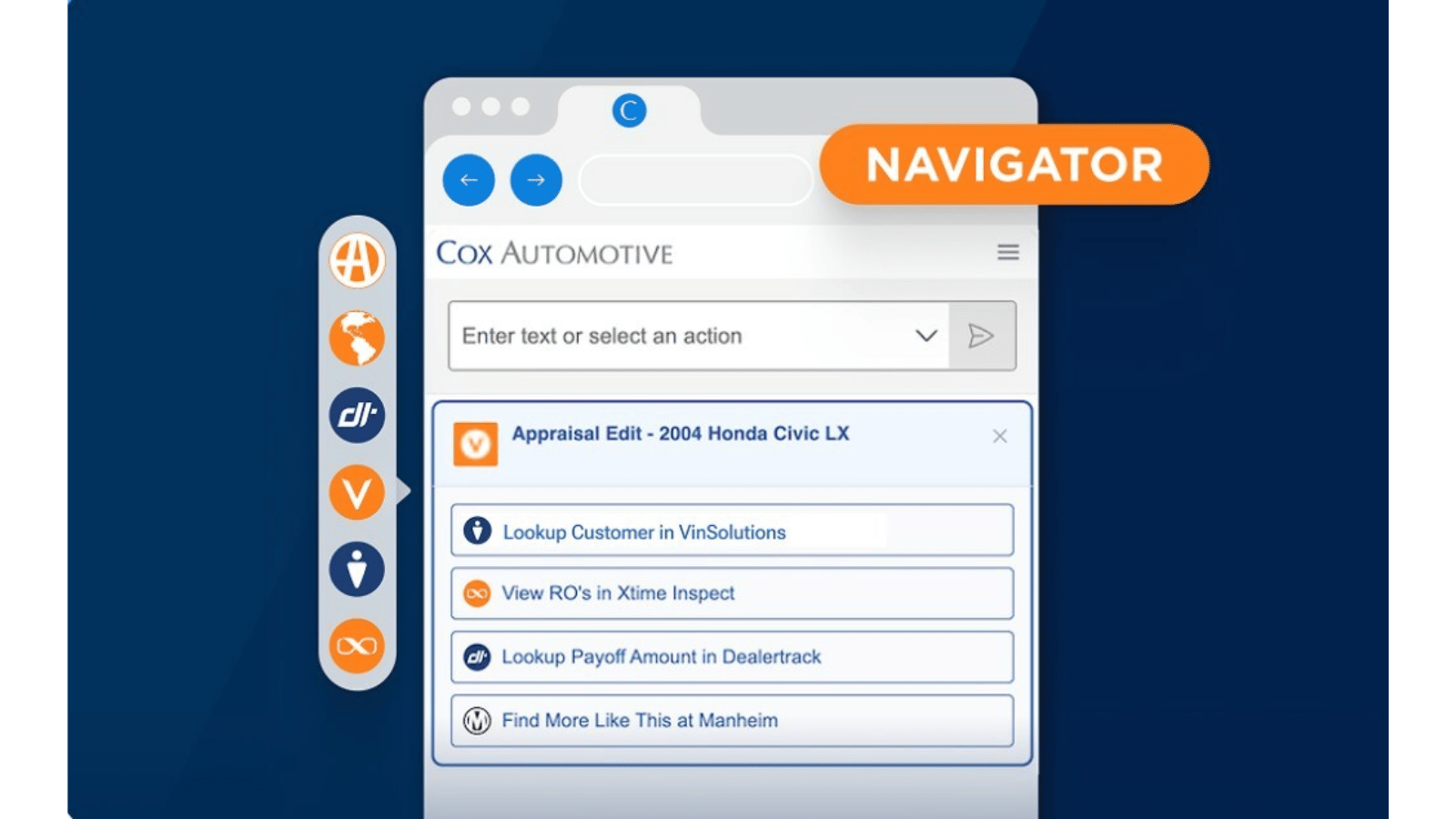
The Cox Automotive Navigator communication layer debuted Thursday as automotive software provider Cox Automotive launched a unified browser extension to link transactional data paths across its primary dealership management applications. The desktop software allows retail operators to bridge information gaps between separate inventory valuation, customer tracking, and service scheduling platforms from a single web browser session. By introducing this integrated navigation tool, the automotive technology company intends to reduce the administrative repetition that frequently challenges sales and mechanical service teams when moving client records across fragmented enterprise software suites.
The corporate strategy behind the software rollout addresses the operational complexity that slows down floor staff navigating multi platform software environments. The tool works within the pre established user credentials a retail store already possesses, offering direct data connections across major operational brands including vAuto, VinSolutions, Xtime, and Dealertrack. This centralized data linkage helps retail personnel instantly verify vehicle backgrounds or customer histories during live negotiations, accelerating the standard sales velocity of the dealership floor.
The underlying software architecture functions as a background browser module available through commercial plugin stores, ensuring that information updates proceed without requiring expensive system overhauls or custom database integrations. For instance, an inventory manager conducting a trade appraisal can pull active repair shop logs or client interaction notes directly into the valuation workspace. This immediate contextual reference helps auto retailers generate highly accurate trade valuations, minimizing the financial risks associated with mispriced vehicle acquisitions.
Streamlining Retail Workflows via the Cox Automotive Navigator Platform
The adoption of the Cox Automotive Navigator framework reflects a broader push within the corporate retail software sector to eliminate system friction through lightweight integration layers. Historically, dealership groups deployed separate software tools for specific operational tasks, forcing workers to copy and paste vehicle identification numbers and customer contacts across multiple disconnected browser tabs. Implementing a native desktop shortcut layer allows automotive groups to recover lost administrative hours, shifting employee attention back toward customer facing service operations.
Enterprise technology managers and dealership principals view operational efficiency metrics as a primary factor when evaluating procurement choices for large dealer networks. When routine information lookup tasks demand multiple database queries and extended screen load times, consumer engagement suffers and overall employee output decreases. Deploying centralized shortcut interfaces enables desk managers to resolve status requests immediately, creating a competitive operational advantage for high volume automotive groups.
The data sharing network expands beyond standard showroom activities, integrating wholesale bidding platforms and commercial transport management tools into the same user interface. The system maps customer request pipelines directly to logistics infrastructure like Manheim and Ready Logistics, giving service advisors live visibility into vehicle shipping schedules. This continuous oversight helps corporate fleet managers plan vehicle reconditioning cycles with higher precision, lowering the storage expenses associated with unready physical inventory.
Maintaining Data Security in the Cox Automotive Navigator System
The technical distribution model prioritizes strict data protection protocols to satisfy the security mandates required by modern corporate technology buyers. The browser plugin executes all information transfers within active, authenticated sessions without storing sensitive dealership records or client financial profiles on local hardware drives. This centralized session structure ensures that pre existing enterprise access controls remain fully functional, preventing unauthorized administrative overrides within the network.
Mitigating Labor Turnover Through Workspace Simplification
The broader commercial utility of integrated workspace extensions connects directly to rising labor costs and training demands across the automotive retail sector. Industry analysts realize that complex software systems increase the training time required to bring new hires up to full corporate productivity. Providing workers with intuitive, cross platform navigation tools simplifies daily workflows, helping retail chains reduce onboarding friction and insulate their operations against high employee turnover.
The long term commercial viability of automotive software portfolios will depend on how successfully providers can unify separate product lines behind cohesive, accessible user interfaces. As consolidation continues across the global retail market, dealerships will increasingly favor software ecosystems that offer native, non overlapping data pathways. The rollout of the Cox Automotive Navigator interface highlights a clear industry transition toward interconnected, highly efficient retail operating environments that maximize the utility of existing software investments.