Medical Innovation Olympics Accelerates Longevity Tech
The fifth annual Medical Innovation Olympics opens at Rockefeller Center, focusing on longevity medicine, clinical trials, and healthcare investments.
Amedea Pharma scales its annual healthcare competition to focus on anti-aging technologies and regulatory transparency.
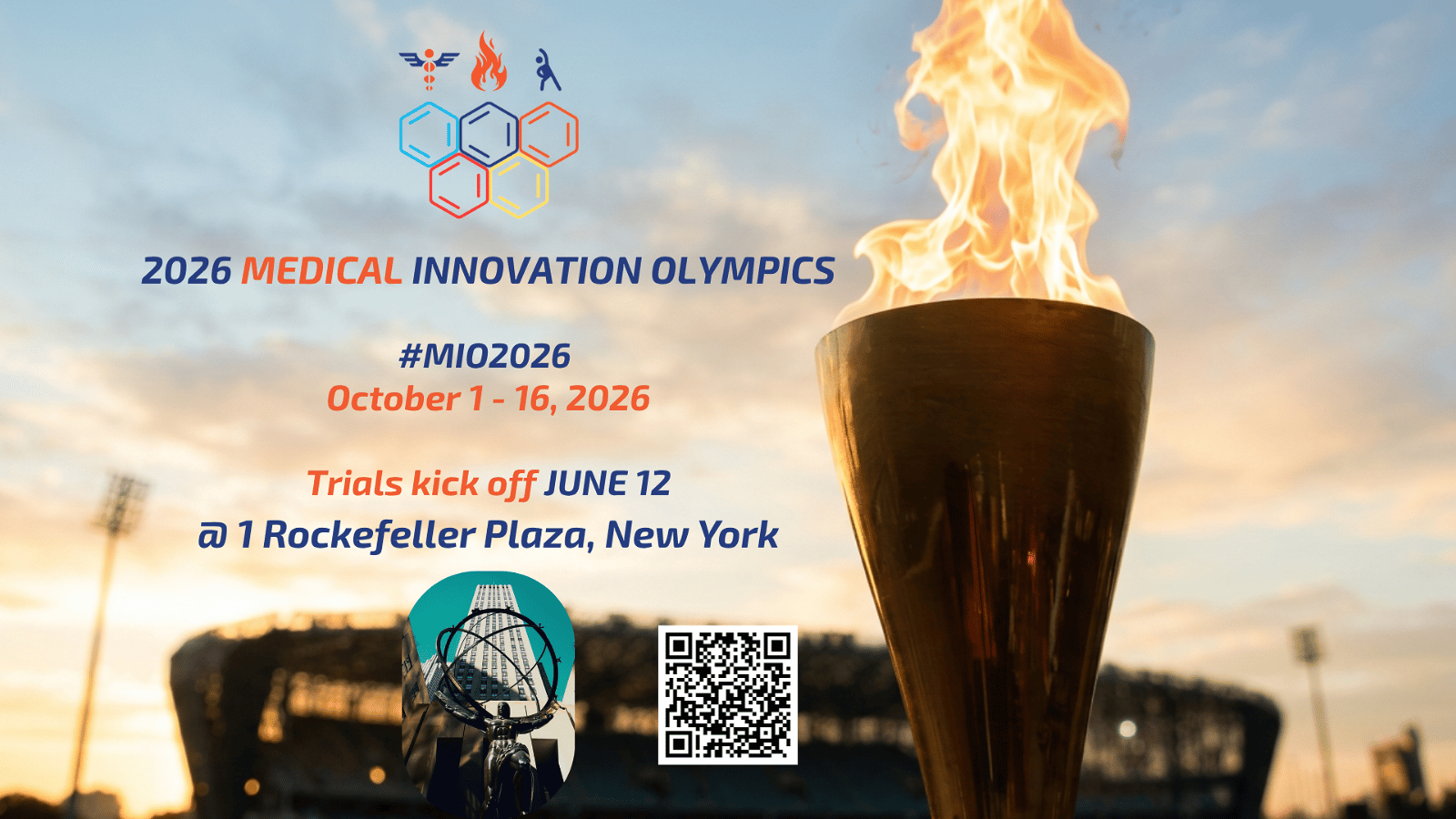
The fifth annual Medical Innovation Olympics will begin its preliminary qualification rounds tomorrow at Rockefeller Center in New York, establishing a months-long competitive pipeline for early stage concepts and mature healthcare products. Organized by life sciences analytics firm Amedea Pharma, the event focuses on clinical trial performance, market transparency, and executive leadership within the life sciences sector. This year the competition explicitly prioritizes developments in longevity medicine, reflecting an industry-wide surge in private investment toward therapeutics aimed at extending the healthy human lifespan.
By centering the event on age-related diseases and life extension technologies, the organizers aim to bridge the gap between academic longevity research and institutional capital. The competition structure requires participating biotechnology firms, digital health startups, and academic researchers to present their platforms before an international panel of investors, regulatory experts, and health policy advocates. The multi-stage event will continue throughout the summer, concluding with a final round and an awards ceremony on October 16 at the same location.
The corporate strategy behind the Medical Innovation Olympics involves creating a centralized vetting ecosystem for healthcare technologies that often struggle to secure traditional venture capital due to long regulatory timelines. For biotechnology companies, the gathering serves as an evaluation ground where clinical data transparency is judged alongside raw scientific discovery. By utilizing an Olympic style bracket system, the organizers intend to pressure participants to showcase clear business metrics, clinical utility, and supply chain viability rather than relying solely on early stage laboratory success.
Increasing Corporate Investment in Longevity Medicine
The decision to focus the Medical Innovation Olympics on therapies addressing the biological mechanisms of aging aligns with substantial shifts in global healthcare investment. Venture capital firms have increased funding for cellular reprogramming, senolytic therapies, and epigenetic clocks, moving these technologies out of theoretical research and into active clinical pipelines. This shift represents a broader transition from reactive medicine, which treats chronic conditions after they manifest, toward preventative biotechnology that targets systemic physiological decline.
Enterprise buyers and pharmaceutical executives look at these events to identify early indicators of market ready innovations in diagnostics and preventative therapeutics. The business community increasingly views age mitigation technologies as a massive market opportunity, given the economic pressures placed on public healthcare infrastructure by aging populations. Successful teams in the competition gain direct visibility among prominent pharmaceutical companies and institutional funds looking to acquire intellectual property or form strategic research alliances.
Corporate partnerships surrounding the event underscore the growing integration between local biotechnology networks and global investment pools. Amedea Pharma has aligned with regional trade associations, including New York Bio, to establish a continuous pipeline for regional startups seeking national distribution networks. These collaborations provide early stage companies with access to recurring investor forums and professional development opportunities throughout the year, sustaining commercial momentum beyond the timeline of the initial competition.
Regulatory Frameworks and Commercialization Pathways
Developing and commercializing therapeutics within the anti-aging sector presents distinct regulatory challenges, as international bodies do not currently classify aging itself as a disease indication. Consequently, biotech companies must navigate complex clinical trial designs that target specific age-related conditions, such as metabolic dysfunction or neurodegenerative disorders, while attempting to validate broader systemic benefits. The Medical Innovation Olympics addresses these commercial hurdles by incorporating regulatory compliance into the core judging criteria.
Former regulatory officials and compliance executives will participate in evaluating the submitted technologies to ensure that promising science matches practical approval pathways. This focus helps startups refine their clinical strategies to meet the stringent documentation requirements of international oversight bodies. For institutional investors, this rigorous evaluation mitigates the operational risks associated with funding early stage medical devices and novel pharmaceutical compounds.
The overarching objective of the multi-month event is to establish a verifiable benchmark for healthcare operational performance. By fostering direct communication between public health leaders, corporate executives, and patient advocacy groups, the event seeks to accelerate the commercialization of treatments that improve the quality and continuity of patient care. The closing session in October will ultimately highlight which emerging longevity platforms possess the scientific validation and corporate structure necessary to secure long term market viability.