
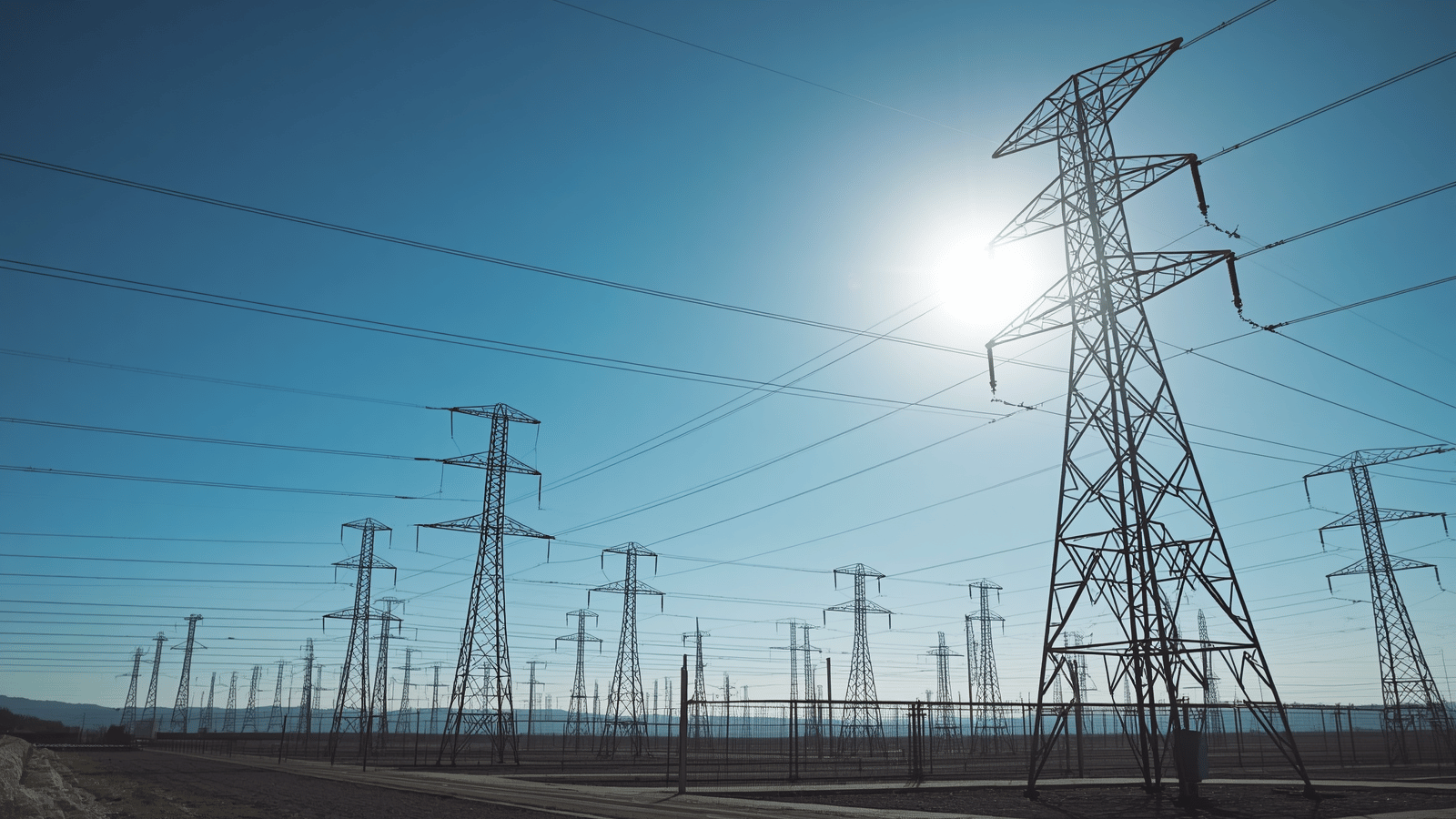
US Department of Energy Issues Power Grid Emergency Order Across 17 States
The issuance of a federal power grid emergency order highlights growing concerns over regional blackout risks during record-breaking summer heatwaves.
The United States energy infrastructure is under immense pressure as dangerous summer heatwaves push regional electricity grids to their limits. To prevent widespread blackouts and stabilize electricity networks across 17 states, the U.S. Department of Energy (DOE) officially issued an emergency order authorizing regional grid operators to tap into backup power resources. The decision comes as heat index values surpass 100°F across central and southern regions, forcing power plants to run at maximum output. Understanding what triggers a power grid emergency order provides critical insight into how federal regulators and grid managers protect homes and businesses during periods of extreme atmospheric stress.
Why is a power grid emergency order trending across 17 US states?
The primary reason a power grid emergency order is making headlines nationwide stems from an intense, prolonged heatwave stretching from the Midwest down to the Gulf Coast. With tens of millions of Americans relying heavily on air conditioning, regional electricity demand has approached near-record peak levels.
To manage this surging demand, the DOE issued Emergency Order No. 202-26-37 under Section 202(c) of the Federal Power Act, specifically targeting the Southwest Power Pool (SPP). The SPP oversees grid operations across a vast multi-state territory in the central U.S. By invoking emergency powers, federal officials are equipping regional operators with additional tools to handle sudden spikes in consumption without resorting to rolling blackouts.
Key factors driving the recent emergency order include:
- Extreme Temperature Spikes: Widespread triple-digit heat index values accelerating cooling demand across residential and commercial sectors.
- Pre-Emptive Blackout Prevention: Authorizing emergency dispatch rules before the system drops into a critical Energy Emergency Alert (EEA) Level 3 state.
- Resource Optimization: Activating available industrial and commercial backup generators to supplement the main grid.
How does a power grid emergency order protect electrical infrastructure?
When electricity demand begins to outpace local generation capacity, grid frequency can drop, posing severe risks to heavy electrical equipment and transmission lines. A power grid emergency order acts as an administrative bridge, giving grid managers immediate legal authority to bypass standard operational limits and call upon secondary power reserves.
The role of backup generation and Section 202(c) authority
Under standard operating procedures, large industrial facilities, data centers, and private entities maintain off-grid backup generators for local emergencies. During a declared grid emergency, a power grid emergency order grants operators permission to integrate these dormant backup units into the regional distribution network.
This temporary integration supplies gigawatts of supplemental electricity directly to the regional pool. Additionally, the emergency order temporarily waives certain regulatory output limits on specified power plants, allowing them to run at absolute maximum capacity through peak heat hours.
What comes next as heat waves strain energy systems?
The current power grid emergency order remains in effect through early August 2026, giving power authorities the necessary flexibility to maintain grid stability during the height of the summer heat wave. As extreme weather events become more frequent, federal energy officials and regional transmission organizations are increasingly leaning on temporary emergency measures to bridge supply gaps.
For local communities, receiving notice of a power grid emergency order does not mean blackouts are active; rather, it indicates that proactive steps are underway to ensure continuous, reliable power flow. Moving forward, long-term investments in grid modernization, expanded battery storage, and diversified energy generation will remain essential to supporting the nation’s growing electrical needs.